How to Eat Ganjang Gejang, Rice Ratio and Shell Bibimbap Order
A step-by-step Korean soy marinated crab eating guide from a Jagalchi local with 10+ years of experience
Summary
The Ganjang Gejang eating order runs in five moves: lift the rice bowl lid, scan the banchan, take a leg bite first, work the body-cavity meat, and finish by mixing rice into the top shell for a bibimbap course. The rice-to-meat golden ratio is 1:2 and sesame oil should stay at half a spoon. A soy crab set on Jagalchi Haean-ro runs KRW 30,000, and the shop sits 220 meters from Jagalchi Station Exit 2 for easy subway access. Side dishes change daily based on what is fresh, so the lineup varies slightly from visit to visit.
수정횟집
Jagalchi Local Opening Tip, Reach for Rice and Side Dishes Before Chopsticks
Jagalchi Haean-ro
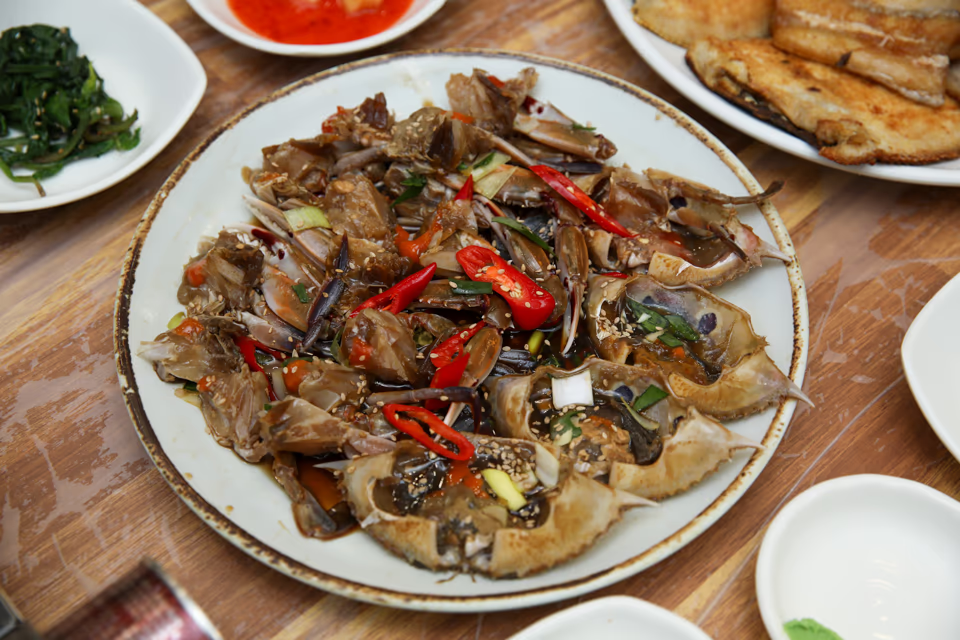
A Jagalchi market veteran with over 10 years of experience always says the same thing when serving a soy crab set: open the rice bowl lid before you touch the chopsticks. The reason is simple. Well-aged soy marinade opens up only when it meets the gentle warmth of freshly steamed rice, so lifting the lid early lets the steam settle during the 30 seconds you take to scan the side dishes. Take that half a minute to look over what came with your set. The side dishes here change daily based on what is fresh, so you might see salted seafood, seasoned greens, a spicy kimchi, or a well-fermented pickled radish, all of which quietly balance the salty edge of the marinade. Only then does the real meal begin. Do not touch the deep red roe pooled inside the top shell yet. Instead, grip one leg first, pull out a small piece of meat, and place it on top of the rice. That first bite is only a preview, a taste that leaves behind just the salty sweetness of the sauce. Grandmothers who have worked these lanes for decades teach their grandchildren to start exactly this way.
Tips
- Lift the rice bowl lid the moment the tray arrives to let steam settle before the marinade meets the grain
- Scan the banchan lineup first so you know which pickle to reach for when the salt hits
- Keep the top shell horizontal so the roe does not spill during the opening bite
- A single soy crab set runs KRW 30,000
Jagalchi Standard Ratio Table, One Chopstick of Meat Meets Two Rice Spoons
Jagalchi area, Busan
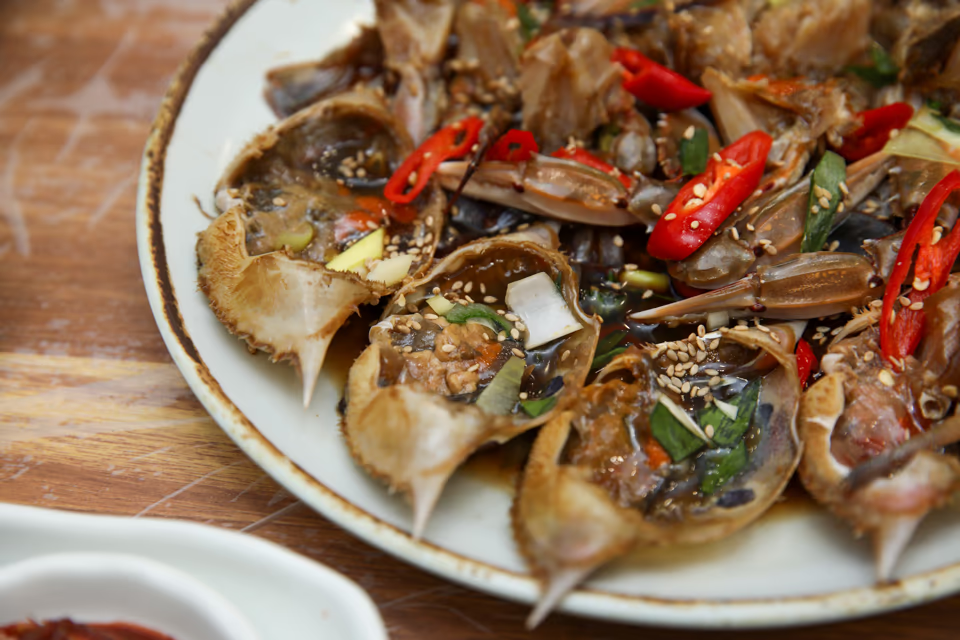
Because the soy marinade carries a strong salty punch, the ratio of meat to rice quietly decides whether the whole meal feels balanced or overwhelming. Long-time regulars who linger at the table for hours all follow the same rule: one chopstick pinch of meat rides on two rounded spoons of rice. This proportion mutes the sharp salt and lets only the sweetness and umami land on the tongue. Children or guests who are sensitive to salt can stretch the ratio to one bite of meat over three spoons of rice, while an evening drinking crowd often tightens it to one bite per single rice spoon to chase a richer, more intense mouthful. There is one detail that first-timers usually miss. If the rice is piping hot, the delicate soy fragrance escapes into the steam before it reaches you, and rice that has fully cooled clashes with the softness of the meat. The sweet spot is rice thirty seconds out of the pot, warm enough that steam just barely brushes the back of your hand. Older Jagalchi hands describe this temperature as feeling the breath of the rice on your skin. Two or three attempts and the timing becomes second nature.
Tips
- Standard: one chopstick of meat to two rice spoons, stretch to three for salt-sensitive eaters
- Serve rice about 30 seconds after scooping so steam just brushes the back of your hand
- Pair each bite with a green banchan or pickled radish first to soften the salt
- For a soju or cheongju round, tighten to one bite of meat per single rice spoon for richer flavor
Jagalchi Cleaning Method, Bend the Joint and Push the Meat Out
Jagalchi area, Busan
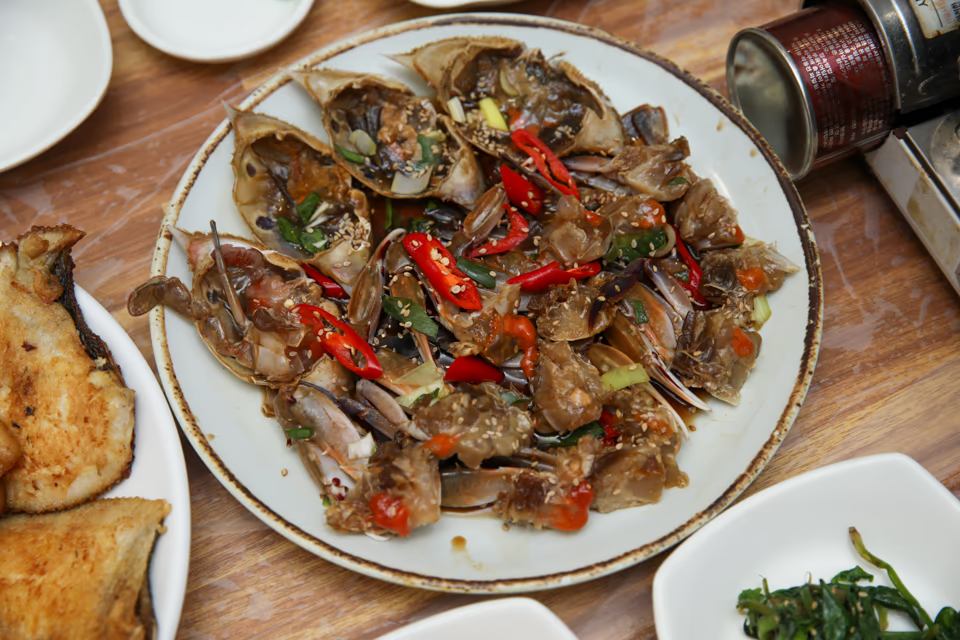
Soft, marinade-soaked meat is not always easy to pull out with chopsticks alone. The technique Jagalchi grandmothers have used for years is quietly practical: bend the leg at the joint with your fingers to release the flesh, then push it out from the opposite side with a chopstick. First grip one leg, snap the joint at a right angle, and the meat separates with a soft pop. Slide a chopstick in from the other end and a clean strip of meat rides out in one piece. For the body cavity, ease the chopstick along the grain and scoop the meat toward you rather than digging straight in, which helps you avoid dragging shell fragments into your rice. If hygiene worries you, ask for a food-safe glove for one hand, though most guests in Jagalchi backstreet shops simply wash their hands and lean in. Always ask for a wet towel in advance so you can wipe up before dessert. When you order a full soy crab set here, a wet towel is placed on the table alongside the meal, so there is no need to request one separately.
Tips
- Snap the leg joint at 90 degrees to release the meat, then push it out with a chopstick from the opposite end
- Scoop body-cavity meat along the grain to avoid pulling shell fragments into your rice
- Ask for a food-safe glove if hygiene worries you, though most locals just wash and lean in
- Wet towels arrive with the soy crab set here, no separate request needed
수정횟집
Jagalchi Haean-ro Finale, Half a Spoon of Sesame Oil Starts the Mix
Jagalchi Haean-ro
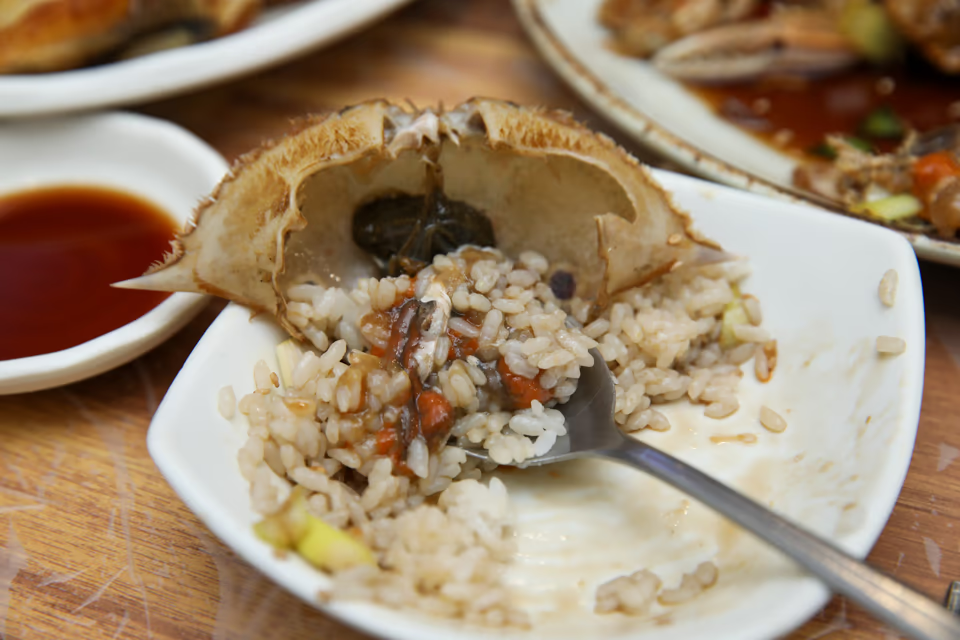
The meal does not end when the meat is gone. The real highlight arrives when you mix the leftover roe and creamy innards inside the top shell with warm rice. Order matters here. Place about two spoons of rice into the shell, then drizzle just half a spoon of sesame oil. Too much oil smothers the fragrance of the roe, so keep the pour restrained. Add a small pinch of dried seaweed flakes, and if minced garlic is on the table, use only a hint. Scrape the innards clinging to the shell wall with a spoon and fold everything together until the mix turns a deep, glossy brown. Because the top shell itself acts as the bowl, warmth stays trapped until the last spoonful, and the roe coats every grain of rice so nothing feels heavy on the tongue. Some Jagalchi regulars deliberately leave half of the meat untouched just so this final course arrives full instead of half empty. Longtime servers call this the most precious spoonful of the whole meal.
Tips
- Keep sesame oil to half a spoon so the roe fragrance leads the flavor
- A pinch of seaweed flakes plus a hint of minced garlic is the standard finish
- Scrape the creamy innards stuck to the shell wall so nothing gets left behind
- Many regulars leave half the leg meat untouched to load the shell for a full final course
Five Small Habits That Jagalchi Regulars Follow Around a Soy Crab Set
Jagalchi Haean-ro area
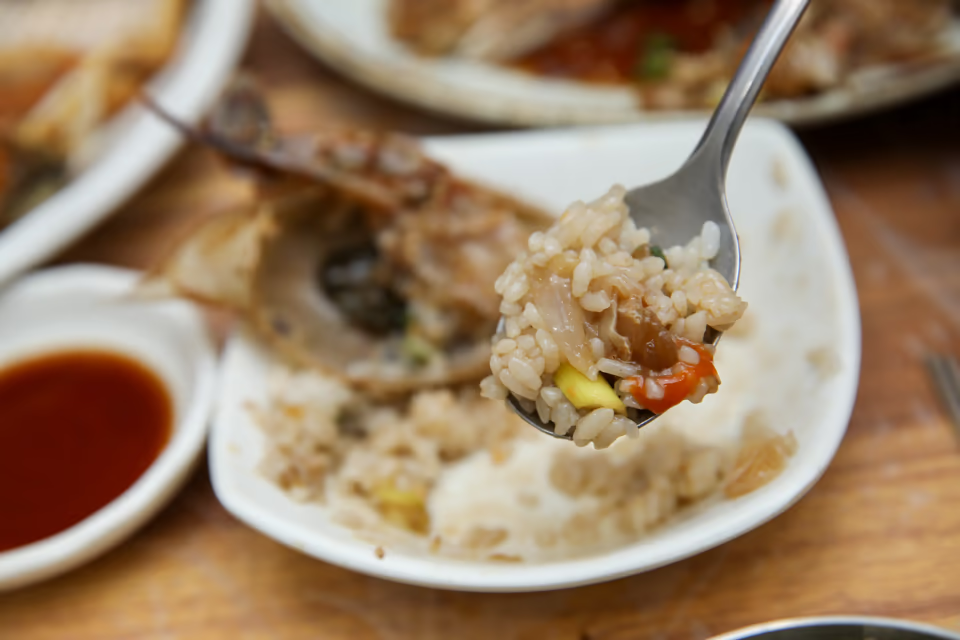
A few small habits around a Jagalchi soy crab set help even a first-time visitor sit like a regular. Keep the shared banchan plates in the middle of the table rather than pulling them toward yourself. Side dishes change daily based on what is fresh, and passing them around is the natural rhythm of the meal. When you want to move a spoonful of the shell juice to your rice bowl, a spoon is cleaner than chopsticks. Stack the finished shells on a spare plate and slide them to one edge of the table so the server can clear them easily. If you bring children, take the salty roe first, mix it into rice, and pass the milder portion to their bowl. When you add alcohol, longtime Jagalchi guests prefer cheongju over soju because its gentle sweetness weaves through the salty marinade without dulling the roe fragrance. Knowing these small things means you can sit down for the first time and still feel at home. Doors here open daily from 10:00 to 22:00, and the walk from Jagalchi Station Exit 2 is only 220 meters, an easy three minutes by subway.
Tips
- Leave shared banchan in the center of the table so everyone passes it around naturally
- Move shell juice to your rice bowl with a spoon, not chopsticks, to keep the transfer clean
- Stack finished shells on a spare plate and slide it to one edge for easier clearing
- For children, mix the salty roe into rice yourself before passing a milder spoonful
- For a drink pairing, cheongju beats soju alongside the sweet-salty marinade
FAQ
Nearby
Jagalchi Station Exit 2
3 min walk (220m)Line 1 nearest access point
Shindonga Seafood Wholesale Market
3 min walkJagalchi dawn wholesale scene
Jagalchi Market Main Hall
5 min walkLandmark Jagalchi fish market
BIFF Square
7 min walkNampo-dong film street with fish cake stalls
Gukje Market
10 min walkTraditional shopping and street food
Yongdusan Park
12 min walkBusan Tower observation, walkable from Nampo-dong
Tips
- Open the rice bowl lid the moment the tray lands so the marinade meets warm rice, not hot steam
- Meat-to-rice ratio: one chopstick of meat to two spoons of rice for the smoothest balance
- Snap the leg joint at 90 degrees, then push meat out with a chopstick from the opposite end
- Shell bibimbap: half a spoon of sesame oil, a pinch of seaweed flakes, a hint of garlic
- Side dishes change daily based on what is fresh, so every visit brings a slightly different lineup
- 220 meters from Jagalchi Station Exit 2, about three minutes on foot for easy subway access
- Call 010-8998-4803, open daily 10:00 to 22:00
Course
Jagalchi Half-Day Soy Crab Course, Market Walk to Post-Lunch Cafe
- Arrive Jagalchi Station Exit 2 then browse Shindonga wholesale market
- Jagalchi Haean-ro promenade for harbor views
- Enter a Jagalchi Haean-ro backstreet shop for a KRW 30,000 soy crab set
- Finish with the shell bibimbap course and ask for a wet towel
- Walk toward BIFF Square for a hotteok snack
- Stroll Gukje Market and Yongdusan Park to settle the meal with a view
By Region
Jagalchi Haean-ro (soy crab lunch)
- ganjang gejang KRW 30,000
- sashimi set
- mulhoe
- hoedeopbap
Jagalchi Market (wholesale scene)
- live fish wholesale
- dried seafood
- jeotgal
- seafood retail
Nampo-dong and BIFF Square (tourist zone)
- ssiat hotteok
- fish cake bar
- street snacks
Gukje Market area (traditional shops)
- bibim dangmyeon
- Chungmu gimbap
- patbingsu
- tteokbokki
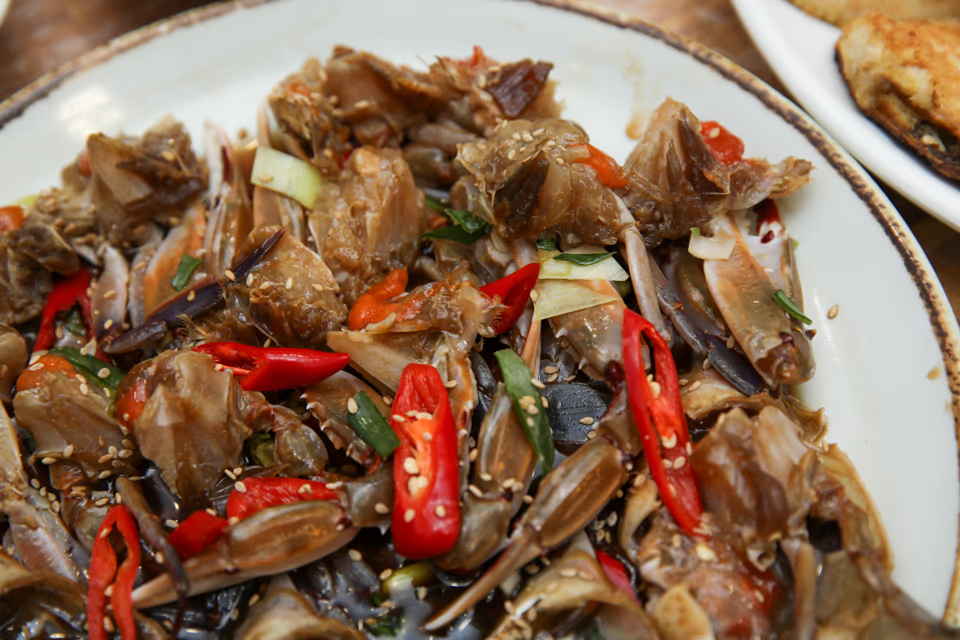
Jagalchi Haean-ro, a Jagalchi Ajumae with 10+ years setting the table
Ganjang Gejang KRW 30,000, Jagalchi Haean-ro backstreet, 220m from Jagalchi Station Exit 2
Read the full page