Korean Soy Marinated Crab (Ganjang Gejang) in Busan, Rice Thief Experience Guide
Ganjang gejang order, shell rice mixing, gochujang gejang alternative, complete Busan soy crab guide
Summary, One Crab, Three Bowls of Rice
Ganjang gejang is one of those dishes that sounds strange on paper, raw crab in soy sauce, and then completely wins you over on the first bite. The silky roe, the seasoned legs, and the rice-in-shell ritual combine into something with no real equivalent anywhere else. At ₩30,000 per serving, it is one of the most accessible ways to understand why Korean cuisine treats crab as a vehicle for rice rather than the other way around. Jagalchi Station Exit 2, 220 meters ahead, bring your appetite and an extra bowl.
Raw Crab Marinated in Soy, And Why It Works
Jagalchi Haean-ro
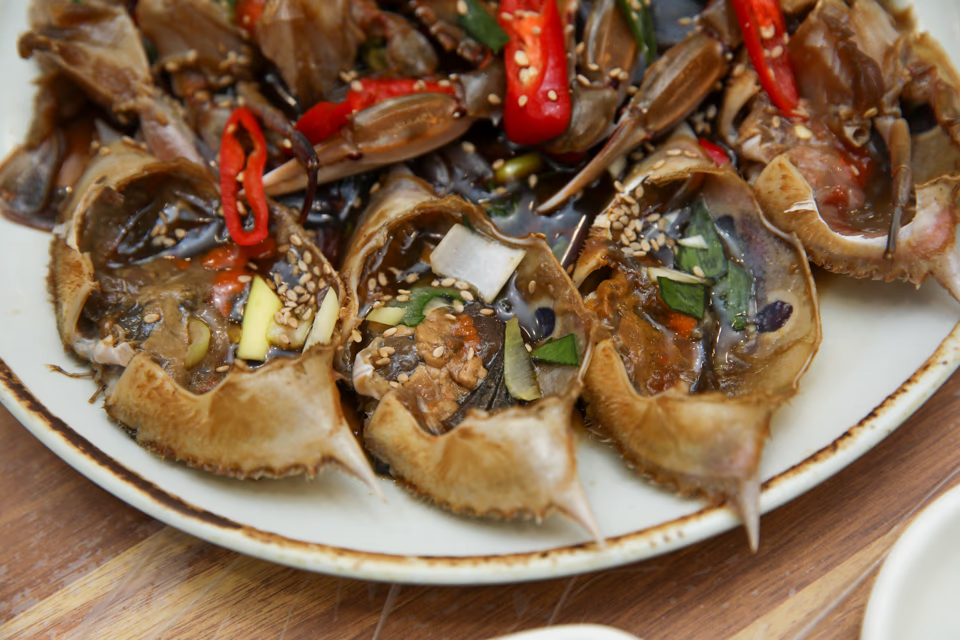
Ganjang gejang is a whole raw crab soaked in a seasoned soy sauce brine for days. The soy mixture, built from soy sauce, garlic, ginger, rice wine, and a handful of dried aromatics, slowly cures the crab meat while concentrating the flavor of the roe. The result is something between cured fish and a rich, umami-loaded condiment. The texture stays silky and soft, closer to custard than to cooked crab. This is not a cooked dish, and it is not sushi, it occupies its own category entirely. The name "rice thief" (bap-doduk) comes from the fact that the intensely savory roe makes plain rice disappear at an alarming rate.
Eating Tips
- The crab is raw but fully cured by the soy brine, safe and intentional
- Roe texture is custard-like, not fishy
- The "rice thief" nickname is not an exaggeration, budget extra rice
- Best paired with plain steamed rice, not flavored rice
수정횟집
How to Eat Gejang, Legs First, Shell Last, Rice in Between
Jagalchi Haean-ro
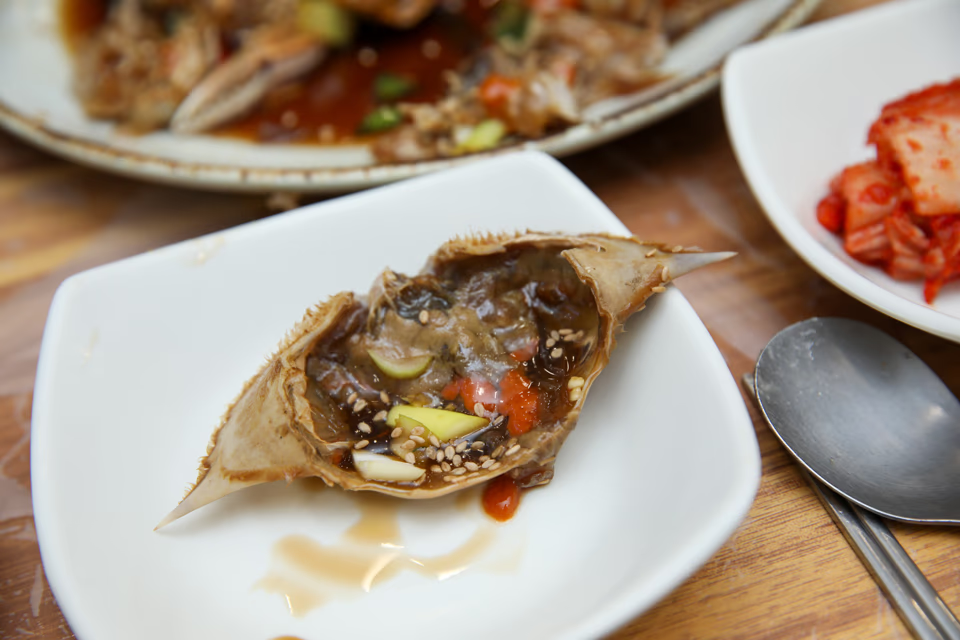
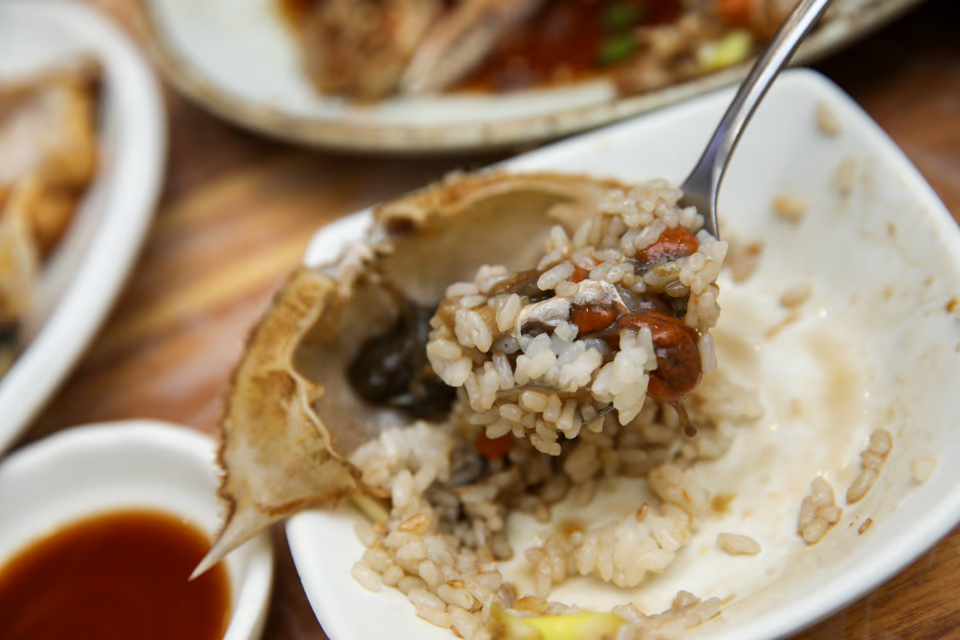
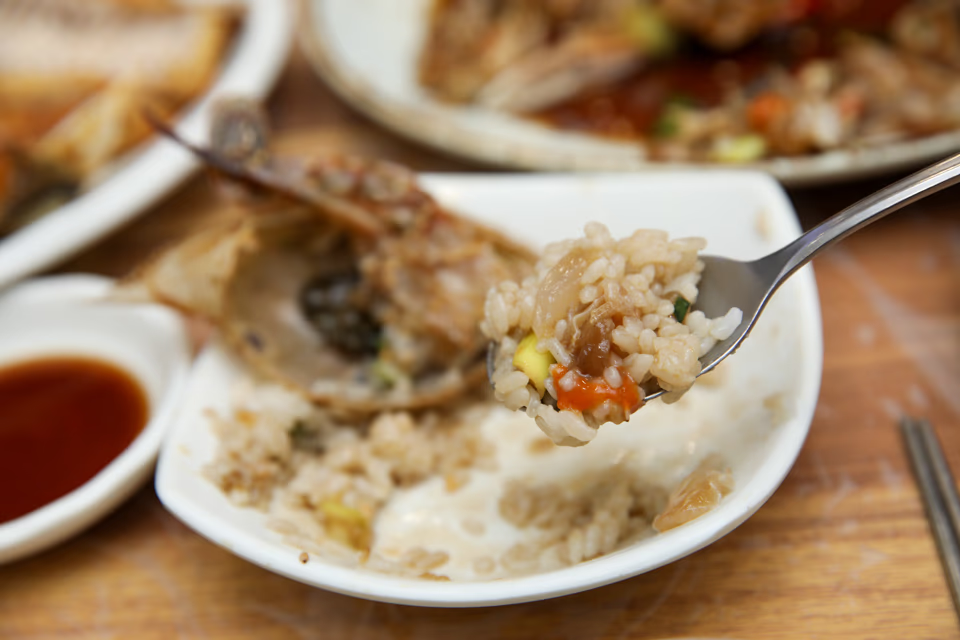
Step one: pull off a leg, snap it at the joint, and suck out the marinated meat, the soy flavor has penetrated all the way through. Step two: move to the body. Open the top shell to reveal the orange roe packed inside. Step three: spoon a mound of hot rice directly into that shell, mix it with the roe using your spoon, and eat it straight from the crab. This is the moment that earns the dish its reputation. The combination of warm rice, cold roe, and concentrated soy is staggeringly good. Step four: pour any remaining soy sauce from the plate over a fresh bowl of rice as a finishing sauce. Nothing gets wasted.
Eating Tips
- Start with the legs, snap at the joint, suck out the meat
- Open the top shell, scoop rice into the roe, and mix with a spoon
- Eat the rice-roe mix directly from the shell, this is the highlight
- Pour leftover soy sauce from the plate over a final rice bowl
What Goes Into the Marinade, And How Long It Sits
Jagalchi Haean-ro
The marinade is not just soy sauce out of a bottle. At this Jagalchi waterfront restaurant, the brine is built from Korean soy sauce, minced garlic, sliced ginger, rice wine, dried chili, and a few aromatics that vary by batch. The sauce is boiled, cooled, and poured over fresh whole crabs. After a day, the sauce is drained, reboiled, cooled again, and poured back. This cycle repeats two to three times over several days. Each round drives the seasoning deeper into the crab meat and concentrates the roe's natural richness. The final product has a complex, layered saltiness that mass-produced versions never achieve, because they skip the reboiling steps.
Eating Tips
- Handmade marinade goes through 2-3 boil-cool-pour cycles over several days
- The repeated process deepens flavor penetration into the meat and roe
- Mass-produced gejang typically uses a single soak, less depth
- The dark color of the sauce indicates concentration, not over-salting
Pairing Gejang with a Full Jagalchi Spread
Jagalchi Haean-ro
Gejang is rich and savory, so the best partners are dishes that offer contrast. Iced fish soup (mulhoe) at ₩18,000 (~$13) provides a cold, tangy counterpoint, the vinegar-dressed broth cleanses the palate between bites of crab. A sashimi set meal at ₩20,000 (~$15) adds a clean, chewy texture that plays against the silky roe. For groups, ordering a small assorted sashimi platter alongside the gejang creates a balanced table: raw fish for freshness, crab for richness, and bone broth at the end for warmth. Side dishes change daily with fresh seasonal ingredients, and they bridge every dish on the table.
Eating Tips
- Iced fish soup (₩18,000), cold and tangy, ideal palate cleanser
- Sashimi set (₩20,000), chewy texture contrasts with silky roe
- Assorted platter (₩60,000+), turns the table into a full seafood course
- Side dishes bridge everything, especially pickled radish and seaweed
Two Styles of Korean Marinated Crab, Explained
Jagalchi Haean-ro
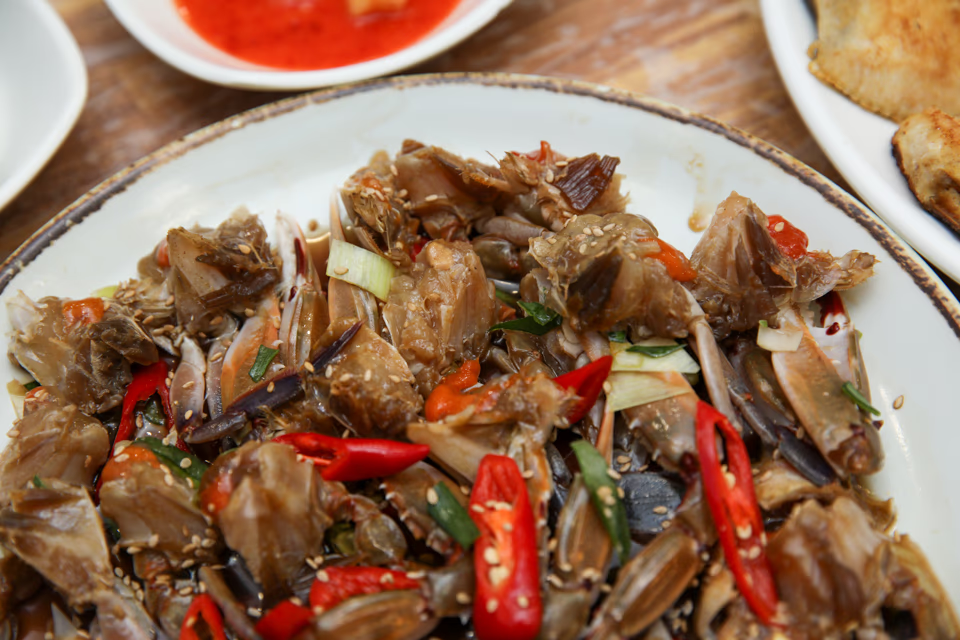
Ganjang gejang (soy crab) and yangnyeom gejang (spicy crab) start with the same raw crab but go in opposite directions. Soy crab is subtle, deep, and umami-focused, the crab flavor leads, with soy sauce as the supporting player. Spicy crab buries everything under a sweet-hot gochugaru paste that makes it punchy and immediately exciting. First-timers usually gravitate toward the soy version because the flavors are more approachable. If you enjoy chili heat and prefer bold over nuanced, go spicy. At the restaurant, the soy version is the signature preparation, each batch marinates through the multi-day reboiling method described above. Either way, the rice-in-shell technique works identically with both styles.
Eating Tips
- Soy crab, subtle, umami, best for first-timers
- Spicy crab, bold, sweet-hot, for chili lovers
- Rice-in-shell technique works with both styles
- Soy version is the house specialty at this location
| Item | Price | Details |
|---|---|---|
| Soy Marinated Crab (Ganjang Gejang) | ₩30,000 | Whole crab, multi-day soy brine (~$22) |
| Sashimi Set Meal | ₩20,000 | Live fish + soup + rice + banchan (~$15) |
| Iced Fish Soup (Mulhoe) | ₩18,000 | Chilled broth + raw fish slices (~$13) |
| Grilled Fish Set | ₩15,000 | Seasonal grilled fish + rice + banchan (~$11) |
| Assorted Sashimi (S) | ₩60,000 | Platter for 2 [Standard Size Pricing] (~$44) |
| Assorted Sashimi (M) | ₩80,000 | Platter for 3 [Standard Size Pricing] (~$59) |
| Octopus Stir-Fry (S) | ₩50,000 | Live octopus, spicy sauce (~$37) |
| Abalone Porridge | ₩20,000 | Slow-cooked rice porridge with abalone (~$15) |
Frequently Asked Questions
Nearby Attractions
BIFF Square
7 min walkStreet food alley with seed hotteok and fish cake skewers
Gukje Market
10 min walkTraditional market with food stalls and local goods
Yongdusan Park & Busan Tower
12 min walkHarbor panorama from the hilltop observation deck
Yeongdo Bridge
7 min walkDaily 2 PM bridge-opening event along the waterfront
Nampo-dong Underground Shopping
8 min walkBudget shopping arcade near Nampo Station
Eating Tips
- Order at least two rice bowls per person, the roe will make them vanish
- Start with the legs to get a feel for the saltiness before opening the shell
- Side dishes change daily with fresh seasonal ingredients and refills are free
- Pair soy crab with iced fish soup for the best flavor contrast
- The rice-in-shell technique is non-negotiable, that is the entire point
- International credit cards and mobile payments accepted
Suggested Lunch Route
Soy Crab Lunch Route at Jagalchi
- Jagalchi Station Exit 2 → 220m walk to Haean-ro
- Arrive and order soy marinated crab + iced fish soup
- Banchan arrives → start with pickled radish and seaweed
- Crab arrives → legs first, shell second, rice-in-roe third
- Pour remaining soy sauce over a final rice bowl
- Walk to BIFF Square for hotteok dessert
Food by Neighborhood
Jagalchi Haean-ro
- Soy marinated crab
- Live sashimi
- Grilled hagfish
Nampo-dong
- Seed hotteok
- Fish cake skewers
- Gukje Market snacks
Seomyeon
- Dwaeji gukbap (pork soup rice)
- Ssiat hotteok
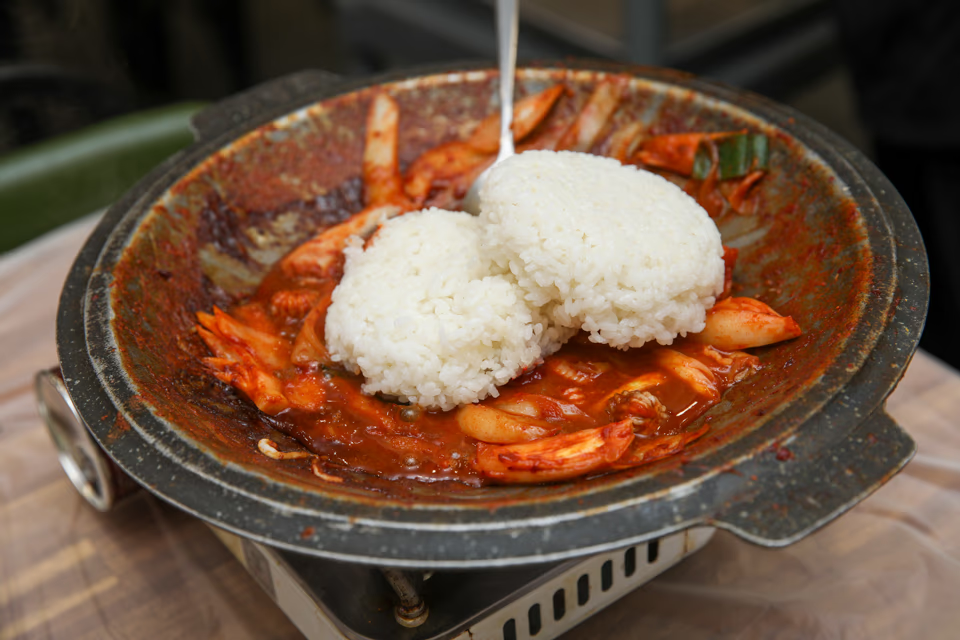
At a table overlooking Jagalchi harbor, a Jagalchi ajumae with over a decade of experience marinates each crab by hand
Handmade soy crab · Live-tank sashimi · Charcoal hagfish · Daily banchan spread
See the full menu