Busan Mulhoe Guide, Icy Fish Soup with Gochujang Broth for Summer
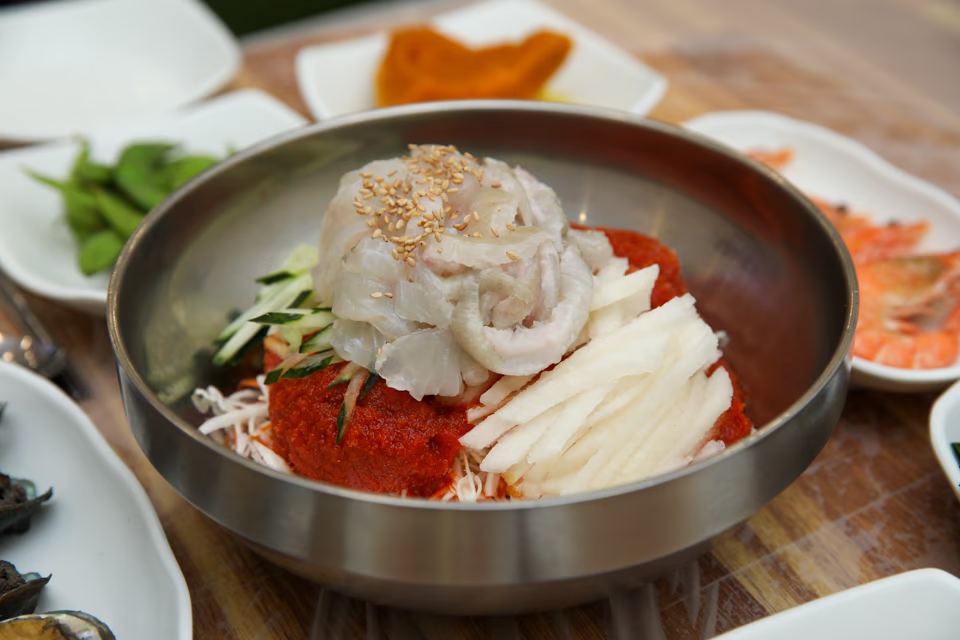
Cold raw fish soup with gochujang broth, somyeon noodles, cucumber and ice, how to eat and compare to hoedeopbap
Final Verdict, The Coolest Lunch in Busan
Mulhoe is not just cold sashimi in a bowl. It is a fisherman's invention refined into one of Busan's most satisfying summer dishes. The icy broth, the crunch of fresh vegetables, the firm bite of morning-caught fish, each element works together to deliver something air conditioning simply cannot replicate. Two versions are available on Jagalchi Coastal Road starting at KRW 18,000, both made with fish selected that morning. If your visit falls between June and September, this should be near the top of your list.
Where Mulhoe Comes From, A Bowl Born at Sea
Korean fishing villages
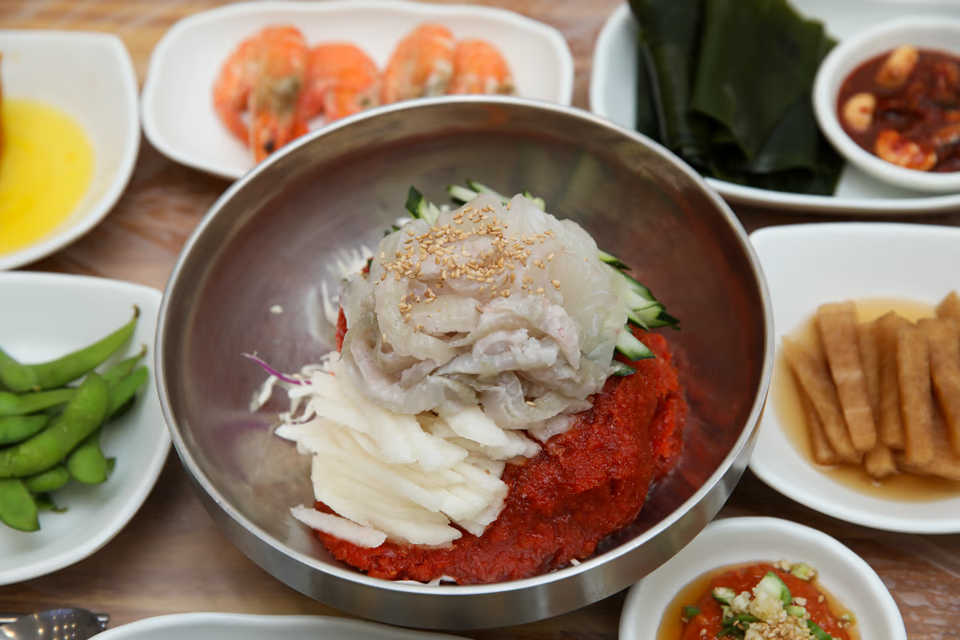
Long before it became a restaurant staple, mulhoe was a fisherman's quick meal. Out on the water, there was no time for a full kitchen setup. Freshly caught fish got sliced on the spot, tossed into cold water with whatever gochujang was on hand, and eaten with bare-minimum vegetables. That improvised lunch became the blueprint for what restaurants now serve in a proper bowl with crushed ice, somyeon noodles, julienned cucumber, and perilla leaf. The name itself tells the story, "mul" means water, "hoe" means raw fish. Nothing fancy about the etymology, and nothing fancy was ever intended. It was fuel for long days at sea.
Visitor Tips
- The dish was designed to be eaten fast, do not let the ice melt too long or the broth dilutes
- Traditional versions use whatever fish was caught that morning
- Gochujang is the standard base, but some coastal villages use doenjang instead
How to Eat Mulhoe, Mix, Slurp, Repeat
Any Korean seafood restaurant
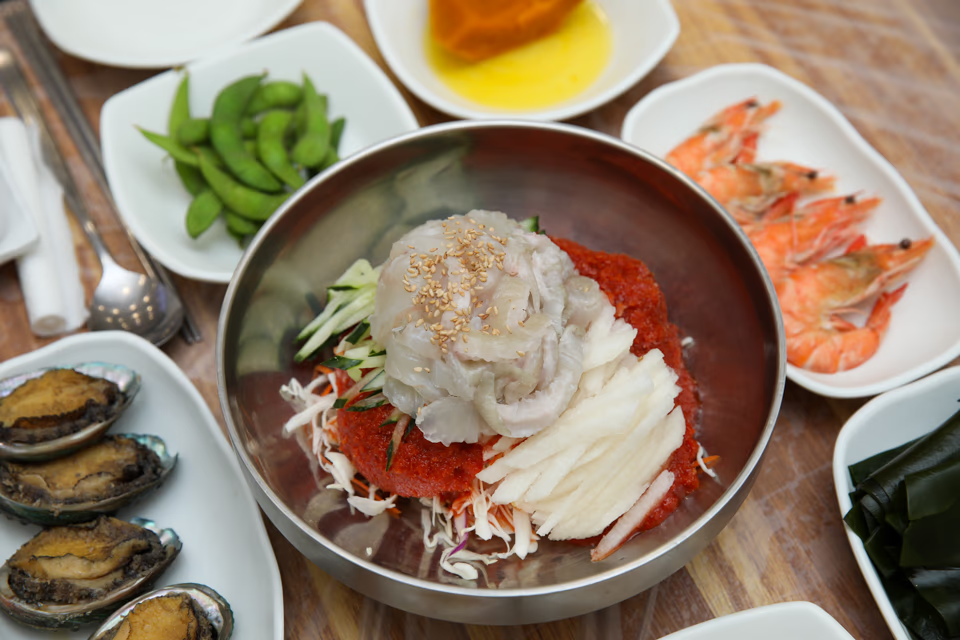
A bowl of mulhoe arrives looking almost too pretty to disturb. Do not be polite about it. Step one: pour the icy broth over the fish and vegetables if it has not already been assembled. Step two: mix everything thoroughly. The gochujang needs to dissolve into the cold water to form a cohesive, spicy-sweet broth. Step three: grab noodles and fish together with your chopsticks, then use the spoon to scoop up broth. Some people pour the entire thing over a bowl of rice instead of eating the noodles, both methods are correct. The key is temperature. Eat it while the ice is still crunchy, while the fish is still firm, while the broth is still bitingly cold.
Visitor Tips
- Mix aggressively, the gochujang clinging to the sides needs to dissolve fully
- Eat within 10 minutes for the best texture contrast between cold broth and firm fish
- Adding extra ice from the side container is perfectly acceptable
- Rice-based mulhoe is called mul-hoe-bap, ask for it if you prefer rice over noodles
Mulhoe vs Hoe-deopbap, The Cold Cousins Compared
Korean seafood restaurants
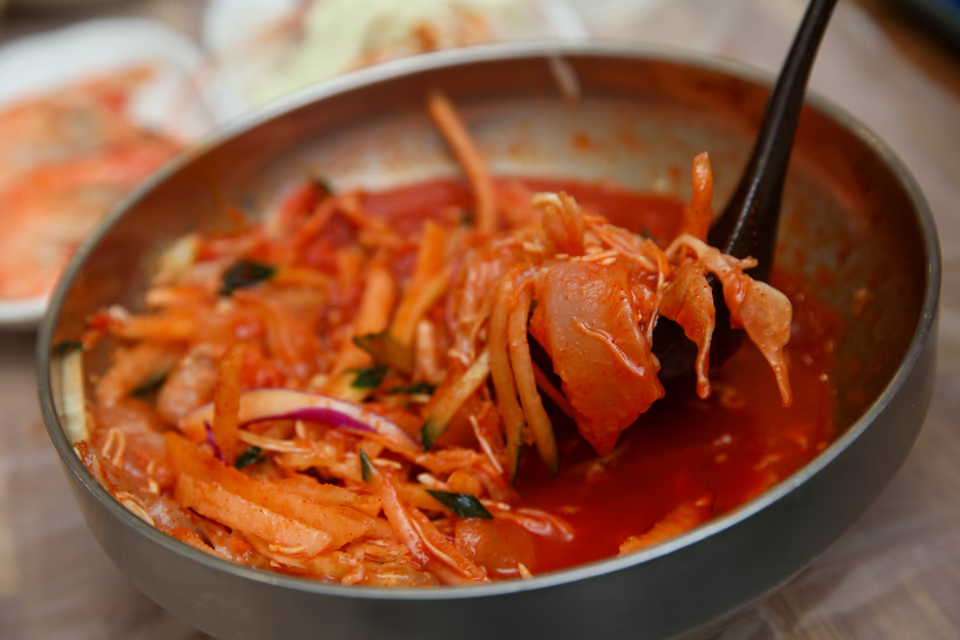
Visitors frequently confuse these two. Hoe-deopbap is a sashimi rice bowl, warm rice on the bottom, raw fish and vegetables on top, finished with sesame oil and gochujang. No liquid broth, no ice, no noodles. Mulhoe, by contrast, is a soup. The broth is the defining feature: cold water, crushed ice, gochujang, and vinegar combine into something closer to a spicy gazpacho than a rice bowl. The texture experience differs entirely. Hoe-deopbap is chewy and nutty from the sesame oil; mulhoe is sharp, cold, and refreshing. On a sweltering Busan afternoon when humidity hits 90%, the choice becomes obvious. Both use raw fish, but the eating experience could not be more different.
Visitor Tips
- Mulhoe = soup with ice and noodles. Hoe-deopbap = rice bowl with sesame oil. Different dishes entirely.
- On hot days, mulhoe is the local preference for its cooling effect
- Both are available year-round, but mulhoe peaks from June through September
수정횟집
Mulhoe on Jagalchi Coastal Road, Two Options, Same Fresh Fish
57-1 Jagalchi Coastal Road
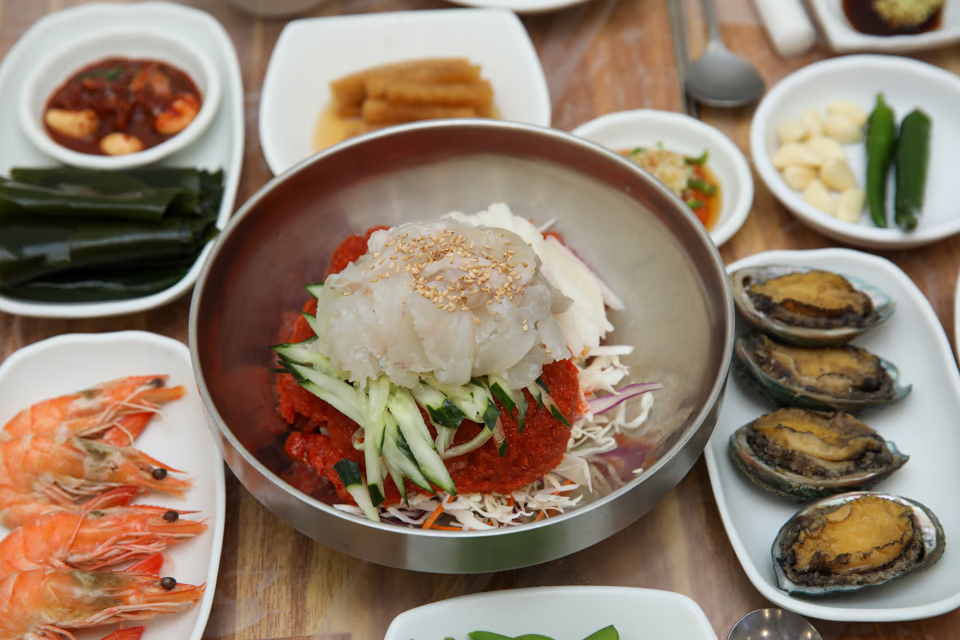
This Jagalchi Coastal Road restaurant offers two versions. The standard mulhoe (KRW 18,000, about $13) uses thin-sliced fresh fish served in gochujang-vinegar broth with crushed ice and somyeon noodles. The premium version (KRW 25,000, about $18) upgrades the fish selection, expect thicker cuts of squid, flatfish, or the best of the current lineup. Both arrive with the restaurant's rotating lineup of side dishes. A Jagalchi ajumae with over a decade of experience oversees the fish selection and preparation.
Visitor Tips
- Standard mulhoe KRW 18,000 (~$13), solid everyday option
- Premium mulhoe KRW 25,000 (~$18), upgraded fish selection with thicker cuts
- Both include rotating seasonal side dishes
- The hoe-deopbap (KRW 15,000, ~$11) is also available if you prefer rice over broth
When Is Mulhoe Season?
Busan
Technically, mulhoe is available year-round at most Busan seafood restaurants. But the dish reaches its peak between June and September when the heat makes cold food a necessity rather than a novelty. During those months, the fish variety also expands, summer brings species like flounder, sea bream, and squid to their fattest, most flavorful state. Ordering mulhoe in January is not wrong, but it lacks the context that makes the dish special: sweat on your forehead, humidity thick enough to chew, and a bowl of ice-cold fish soup that drops your core temperature in three bites.
Visitor Tips
- Peak season: June through September
- Available year-round, but the experience is best in genuine heat
- Summer fish tend to be fattier and more flavorful for mulhoe
| Dish | Price | Details |
|---|---|---|
| Mulhoe (standard) | ₩18,000 | Daily catch in icy gochujang broth (~$13) |
| Premium Mulhoe | ₩25,000 | Upgraded fish selection, thicker cuts (~$18) |
| Hoe-deopbap (sashimi rice bowl) | ₩15,000 | Warm rice + raw fish + sesame oil (~$11) |
| Hanchi Mulhoe (squid) | ₩20,000 | Squid-focused cold soup (~$14) |
| Sashimi Set Meal | ₩20,000 | Live-fish sashimi + hot stew + rice + banchan (~$14) |
Frequently Asked Questions
Nearby Spots
Jagalchi Market
5 min walkKorea's largest seafood market with live fish stalls on every floor
BIFF Square
8 min walkStreet food alley famous for seed hotteok and fish cakes
Gukje Market
10 min walkTraditional market for souvenirs, vintage goods, and street snacks
Songdo Beach
10 min by taxiBusan's oldest beach with a cable car and ocean walkway
Visitor Tips
- Eat the mulhoe within 10 minutes, the ice melts fast and dilutes the broth
- Mix everything aggressively before eating. The gochujang needs to dissolve fully.
- Side dishes rotate daily with the freshest seasonal ingredients
- If you prefer rice over noodles, ask for mul-hoe-bap style
- The premium version is worth the extra KRW 7,000 for the thicker fish cuts
- Pair it with a cold beer for the full Busan summer lunch experience
Suggested Route
Mulhoe Lunch + Coastal Walk
- Jagalchi Station Exit 2 → 220 m walk to the restaurant
- Order mulhoe or premium mulhoe, arrives in under 5 minutes
- Finish lunch, browse the rotating banchan selection
- Walk along Jagalchi Coastal Road toward the fish market
- Explore Jagalchi Market's indoor floors
- BIFF Square for dessert hotteok
Cold Dish Options by Area
Jagalchi Coastal Road
- Mulhoe
- Premium Mulhoe
- Hanchi Mulhoe
- Hoe-deopbap
Busan Summer Specialties
- Cold noodle soups
- Patbingsu (shaved ice)
- Iced barley tea
Nearby Cold Dishes
- Naengmyeon (buckwheat noodles)
- Kongguksu (soy milk noodles)
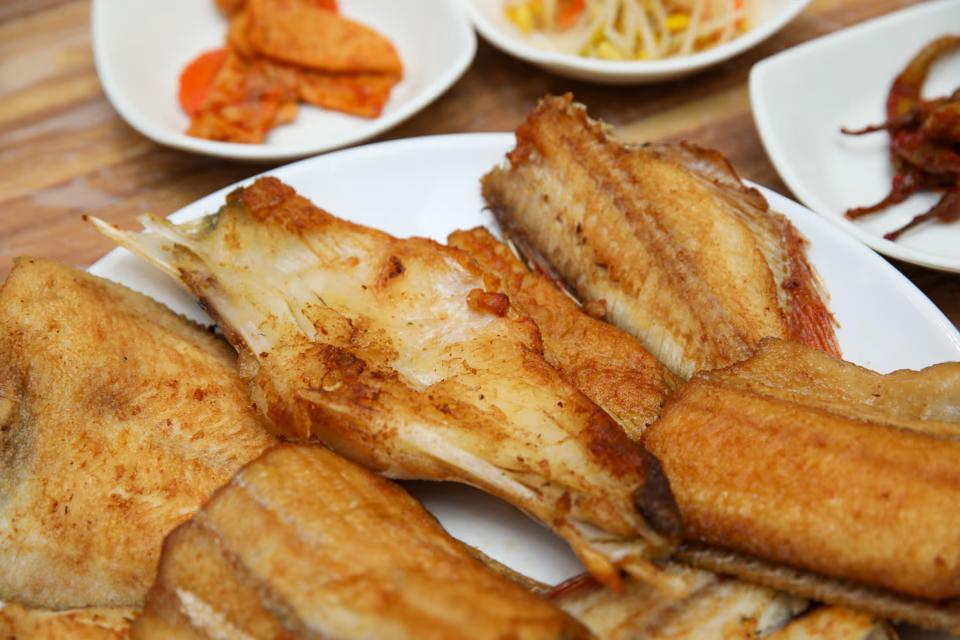
On Jagalchi Coastal Road, a Jagalchi ajumae with over a decade of experiencepicks the freshest fish every morning
Live-tank sashimi · Mulhoe · Premium cold soup · Handmade soy crab · Charcoal-grilled hagfish
See Full Menu