Best Sashimi Restaurants in Busan, Complete Guide
10 insider tips for choosing the right sashimi restaurant in Busan
Summary
Busan sits where warm and cold ocean currents converge, creating one of Korea's richest fishing grounds and making it the country's undisputed sashimi capital. Anchored by Jagalchi, the nation's largest seafood market, the city supports distinct dining cultures across the Jagalchi waterfront, Haeundae beachfront, and Gijang coastal villages. The ten tips in this guide, from distinguishing live and aged fish, to understanding pricing structures, reading seasonal availability, navigating solo-dining menus, spotting tourist-trap red flags, choosing the right side dishes, and planning your visit efficiently, equip you to make confident restaurant choices on every trip. Ultimately, a great sashimi restaurant comes down to three things: genuinely fresh fish, honest pricing, and attentive service. Keep those criteria in mind, match them to your budget and preferences, and you will discover the real taste of Busan's ocean.
Live Fish vs Aged Sashimi in Busan, Freshness Guide
All sashimi restaurants in Busan
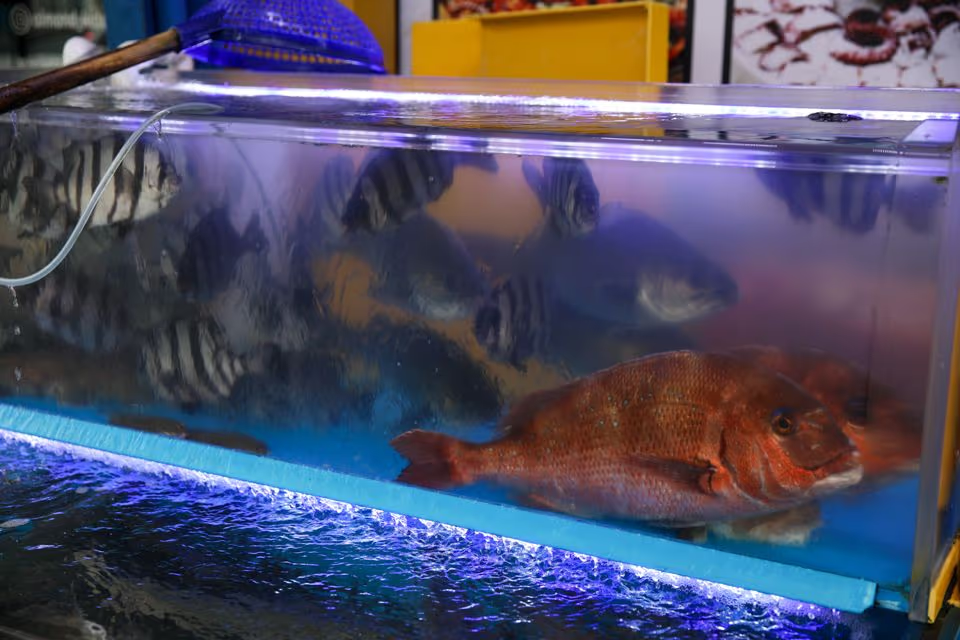
The first choice you will face at a Busan sashimi restaurant is between "live fish" (hwaleo) and "aged fish" (seoneo). Live-fish sashimi is prepared from fish swimming in the on-site tank moments before serving, delivering a firm, chewy bite that Korean diners love. Aged sashimi, on the other hand, has been rested at low temperature after catching, which deepens the umami and softens the texture, a technique prized in Japanese-style omakase. Most Busan restaurants specialize in live fish, and you can check the tank by the entrance to gauge how well a place manages freshness. Clear water, actively swimming fish, and well-maintained tanks are reliable signs. Understanding the difference lets you order exactly what matches your palate, whether you prefer the snap of live sashimi or the melt-in-your-mouth richness of aged cuts.
Sashimi Restaurant Tips
- Live-fish sashimi tastes best within 10 minutes of being prepared, the texture is at its peak
- Ask the restaurant how they age their seoneo; aging duration affects flavor significantly
- Fresh fish should have clear eyes and bright-red gills, a quick visual check before ordering
- A well-maintained tank with active fish indicates strong quality control at the restaurant
- Higher-end spots often offer both live and aged options, tailoring the plate to your preference
Jagalchi vs Haeundae Sashimi in Busan, Price & Vibe Compared
Jagalchi & Haeundae
The biggest fork in the road when choosing a sashimi restaurant in Busan is the area: Jagalchi or Haeundae. The Jagalchi waterfront district sits in the old downtown, right next to the fish auction house, which means shorter supply chains and generally more affordable prices. Restaurants here tend to be no-frills, think local regulars rather than Instagram decor, but the fish quality is consistently high thanks to rapid turnover. Haeundae, by contrast, offers ocean-view dining rooms and upscale interiors, making it ideal for special occasions. However, the same species of fish can cost 20-40% more at a Haeundae restaurant compared to the Jagalchi waterfront. If your priority is value and freshness, the Jagalchi Coastal Road neighborhood, where veteran establishments source directly from the adjacent market, is hard to beat. If ambiance and a beachside setting matter more, Haeundae delivers that experience.
Sashimi Restaurant Tips
- Jagalchi Coastal Road restaurants benefit from fast fish turnover due to proximity to the wholesale market
- Mipo and Cheongsapo near Haeundae offer lower prices than the main Haeundae beachfront
- The Jagalchi area is close to Nampo-dong and BIFF Square, making post-meal sightseeing convenient
- Choose Haeundae for ocean views and a date-night vibe; choose Jagalchi for generous portions and honest pricing
Busan Sashimi Price Guide, Platter Sizes S/M/L/XL & Course Menu
All areas in Busan
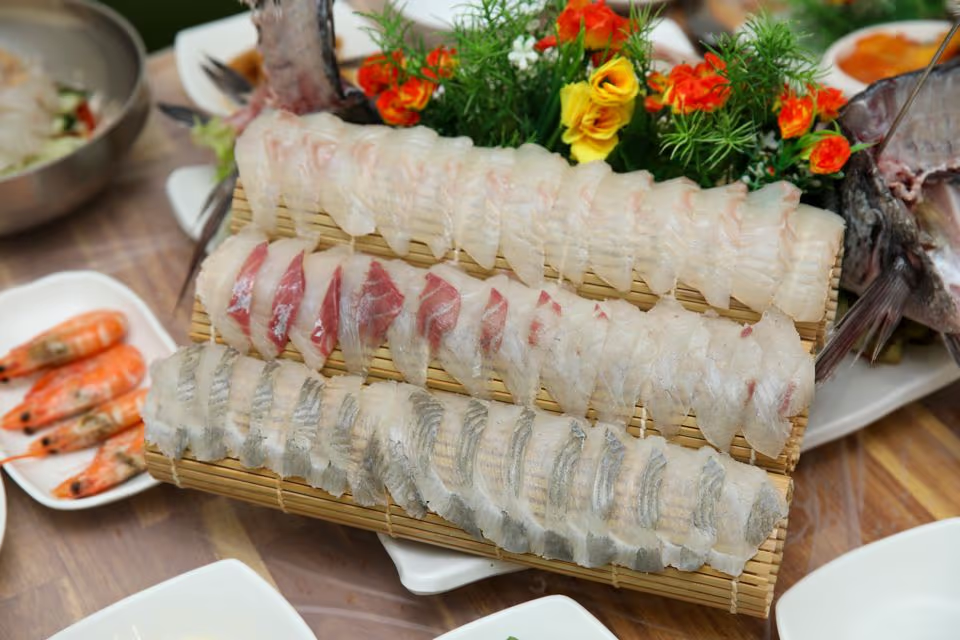
A Busan sashimi menu typically offers several formats: assorted platter (modumhoe), full course, single-species order, mulhoe (spicy sashimi soup), and hoedeopbap (sashimi rice bowl). The assorted platter features multiple species on one plate, sized S/M/L/XL for 2-5 diners, and is the most popular option for groups. A full course adds spicy fish stew, grilled dishes, and side dishes to the platter, great for first-time visitors who want the complete experience. Single-species orders let you focus on one fish, like an entire flatfish or rockfish, ideal for enthusiasts. On a tighter budget, mulhoe (around KRW 18,000 / ~USD 13) or hoedeopbap (around KRW 15,000 / ~USD 11) are satisfying one-bowl meals that still deliver fresh Busan seafood. Starting with a small platter (around KRW 60,000 / ~USD 44 for two) and scaling up based on appetite is the smartest approach for most visitors.
Sashimi Restaurant Tips
- Platter sizes generally follow: S (2 pax), M (3 pax), L (4 pax), XL (5+ pax)
- The spicy fish stew at the end of a course is made from the leftover bones and head, do not skip it
- Single-species orders allow you to verify freshness directly before the fish is prepared
- Mulhoe and hoedeopbap are perfect one-person meals for solo travelers on a budget
- Restaurants with Standard Size Pricing display fixed rates by portion size, a reassuring sign of transparency
Busan Sashimi Fish Types, Flatfish · Rockfish · Sea Bream Taste Guide
All sashimi restaurants in Busan
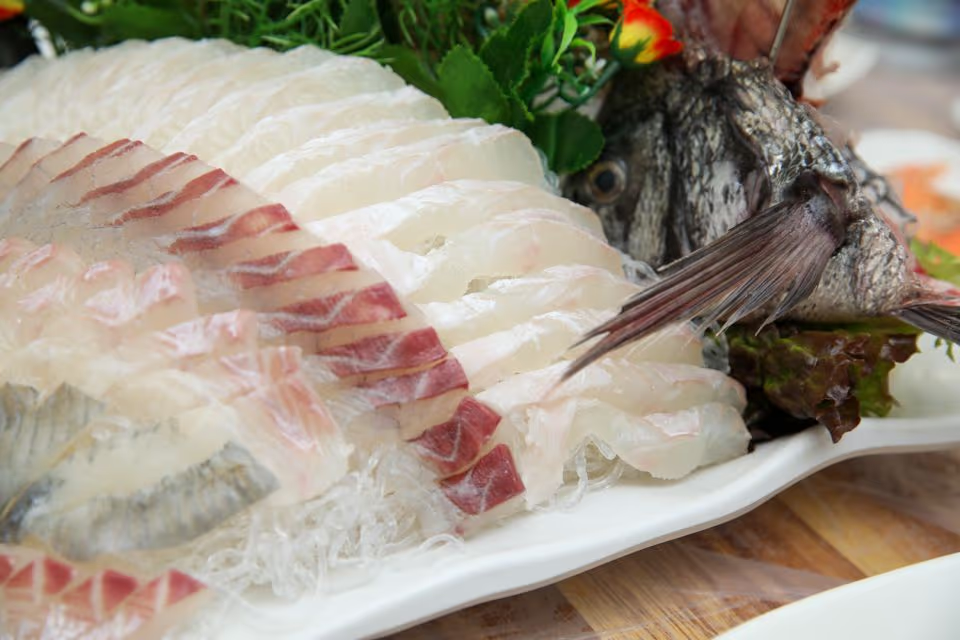
Four species dominate Busan sashimi menus, and knowing them makes ordering much easier. Gwangeo (flatfish/olive flounder) is the most common, mild, clean, and pleasantly chewy, available year-round at stable prices. Ureok (rockfish) has thicker flesh with a nuttier, richer flavor, and its bones make an excellent spicy stew. Dodari (starry flounder) is a spring-only delicacy with delicate, paper-thin slices and a subtle sweetness best enjoyed with mugwort soup. Chamdom (red sea bream) is a premium species with a beautiful reddish hue; the flavor builds the more you chew, and it works wonderfully grilled or braised as well. When you get an assorted platter, you will likely see several of these on the plate. Identifying each fish enriches the tasting experience and helps you order single-species plates on return visits.
Sashimi Restaurant Tips
- Peak seasons: flatfish in winter-spring, rockfish in autumn-winter, starry flounder in spring, sea bream in autumn
- Flatfish is the gentlest introduction for sashimi newcomers, start here if it is your first time
- Order rockfish sashimi and then request the bones be made into spicy stew, two dishes from one fish
- Starry flounder is sliced ultra-thin and best dipped lightly in vinegared chili paste
- Torched sea bream skin (aburi style) is a popular premium preparation at upscale establishments
Busan Seasonal Sashimi Calendar, Spring · Summer · Autumn · Winter
All areas in Busan
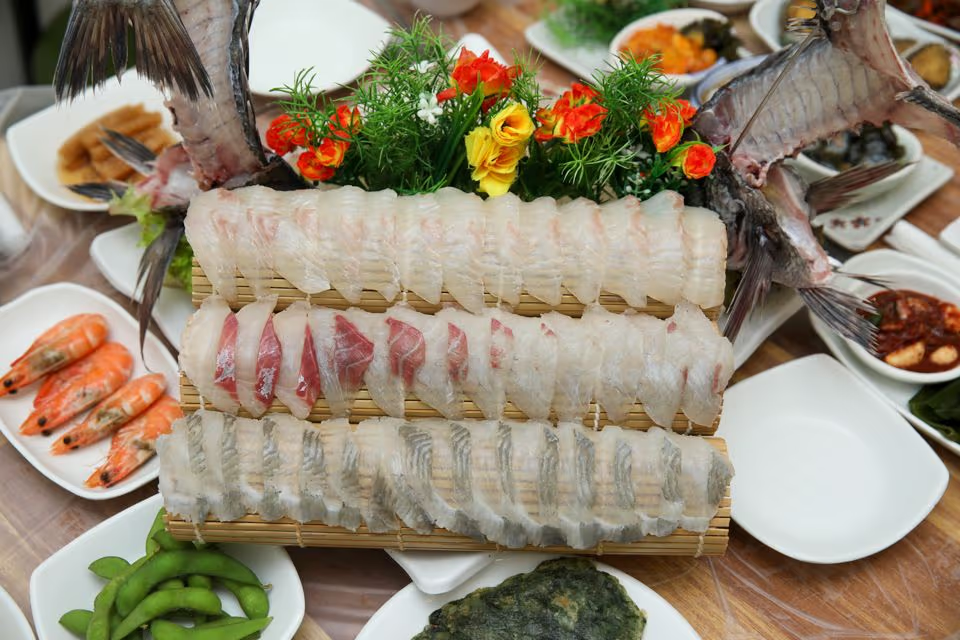
The same restaurant can deliver a completely different experience depending on the season. Spring (March-May) is the time for starry flounder and sea squirt, with sea urchin at its plumpest. Summer (June-August) calls for mulhoe, chilled sashimi soup that cuts through the heat, and live-fish sashimi served over ice. Autumn (September-November) brings gizzard shad and mackerel at their fattiest; September gizzard shad is so prized that locals have a saying about it luring family members back home. Winter (December-February) is yellowtail season, when the belly cut rivals fatty tuna in richness and depth. A quick seasonal check before your trip can dramatically improve satisfaction, you will get the tastiest fish at the best value, and the restaurant staff will recognize you as a knowledgeable diner.
Sashimi Restaurant Tips
- Spring starry flounder with mugwort soup is available March-April only, a must-try if visiting then
- Summer mulhoe is served ice-cold; adjust the chili paste to your spice tolerance
- Autumn gizzard shad is best eaten bones and all, the crunch adds a nutty dimension
- Winter yellowtail peaks in December-January; always request the fatty belly cut
Busan Sashimi for Solo Travelers, Mulhoe · Hoedeopbap · Hoe-jeongsik
All sashimi restaurants in Busan
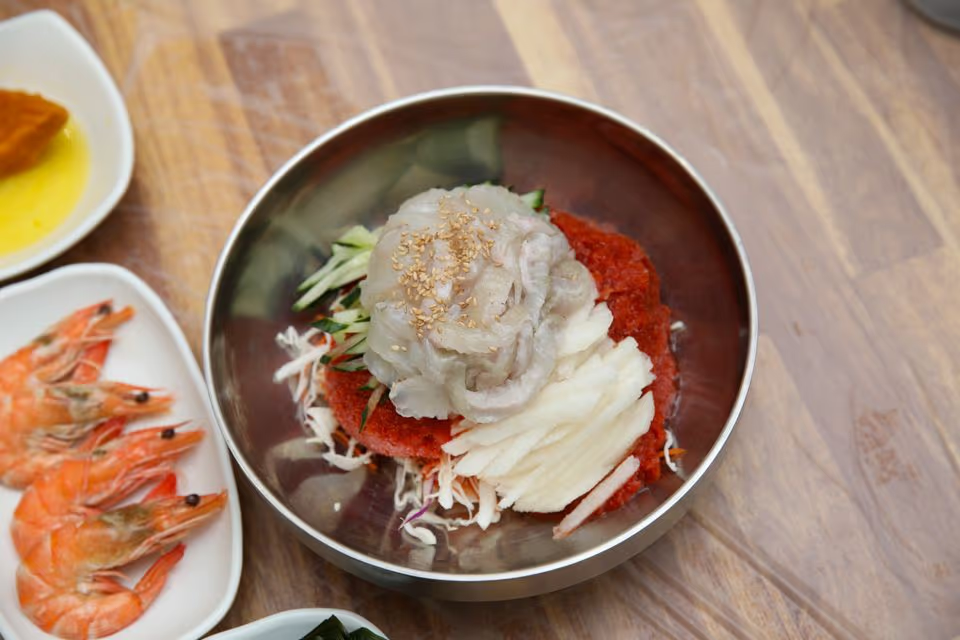
Assorted platters are typically designed for two or more, which can make solo travelers hesitate at the door. But Busan has plenty of one-person sashimi options. Mulhoe (KRW 18,000 / ~USD 13) is the go-to solo meal, a complete bowl of fresh sashimi in chilled broth with rice on the side. Hoedeopbap (KRW 15,000 / ~USD 11) is another great pick: sashimi over rice with vegetables, mixed with sesame oil. Hoe-jeongsik (KRW 20,000 / ~USD 15) is a mini-course that includes a small sashimi plate, side dishes, and spicy fish stew, the full restaurant experience in a single-person format. Some restaurants along the Jagalchi waterfront even offer small solo platters if you ask. When booking, mentioning that you are dining alone helps the staff prepare an appropriate table and portion. Solo dining is completely normal in this area, and many places put extra care into a one-person serving.
Sashimi Restaurant Tips
- You can request spice level adjustment when ordering mulhoe, from mild to fiery
- Adding sesame oil and toasted sesame seeds to hoedeopbap enhances the nutty flavor
- Weekday lunch (11:30-13:30) often features special lunch sets at reduced prices
- Premium mulhoe (KRW 25,000 / ~USD 18) includes a wider variety of fish and a more generous portion
- Counter seats or small tables near the kitchen tend to be the most comfortable spots for solo diners
Busan Sashimi Tourist Traps, How to Avoid Overpaying at Jagalchi
All areas in Busan
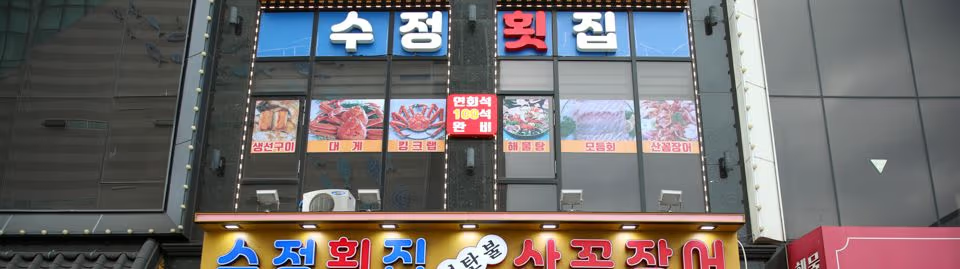
The most common way tourists overpay at sashimi restaurants is simply not checking prices beforehand. Trustworthy establishments display a clear menu with printed prices, and those operating under Standard Size Pricing have fixed rates by portion, no surprises on the bill. Red flags include aggressive touts pulling you inside, verbal-only price quotes with no printed menu, and "today-only special deal" pitches. At Jagalchi Market, some visitors buy fish on the first floor and have it prepared upstairs; this is a legitimate option, but be aware that a separate preparation fee (KRW 5,000-10,000 / ~USD 4-7 per person) applies. Restaurants certified as "model establishments" by Busan city, those with 500+ reviews on Naver Place or KakaoMap, and spots with a high local-regular ratio are safe choices. The safest bet for visitors is a restaurant that offers Per-Person Custom Sets, where the chef tailors portions and pricing to your party size in advance.
Sashimi Restaurant Tips
- Always confirm prices on a printed menu before ordering, and ask about any additional charges
- A high ratio of local regulars is one of the strongest quality indicators for any restaurant
- Card payment acceptance is a good sign, it typically means transparent bookkeeping
- If buying fish directly at Jagalchi Market first floor, verify the per-kg price and total weight before purchase
- Naver Place and KakaoMap visitor reviews tend to be more reliable than sponsored blog posts
Busan Sashimi Side Dishes, Maeuntang · Banchan · Soju Pairing
Sashimi restaurants across Busan
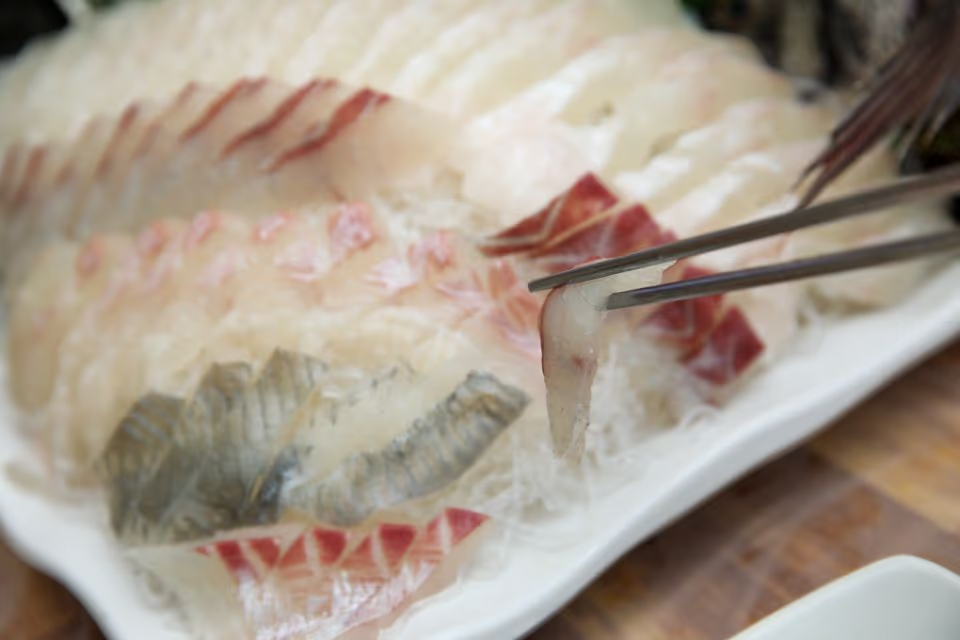
The sashimi itself is only part of the experience at a Busan restaurant. When you order an assorted platter, a pot of maeuntang (spicy fish stew) typically follows, made from the bones and head of your fish, delivering a deeply savory, peppery broth that perfectly closes the meal. Adding haemul-jjim (seafood stew) or grilled shellfish to the table ramps up the feast, and buttered abalone is a rich, aromatic side that pairs beautifully with soju. Do not overlook the complimentary banchan (side dishes) either: sea squirt pickles, seaweed stems, and seasoned sea greens are standard, and their quality alone can tell you how much care a kitchen puts in. Soju is the traditional pairing, a chilled shot alongside a slice of sashimi is quintessential Busan dining. Also try "gireum-jang" (sesame oil with salt) as a dipping sauce alongside the usual chili paste; alternating between the two reveals different dimensions of the same fish.
Sashimi Restaurant Tips
- Maeuntang is often complimentary with a platter order, confirm beforehand so you do not miss it
- Alternate between chili paste and sesame-oil-salt dip to experience different flavors from the same fish
- Salmon sashimi (KRW 50,000 / ~USD 37) can be added alongside the main platter for extra variety
- Grilled abalone and shrimp provide a nice textural contrast to raw sashimi in a multi-course meal
Busan Sashimi Restaurant Reservation Tips, Booking · Parking · Hours
All sashimi restaurants in Busan
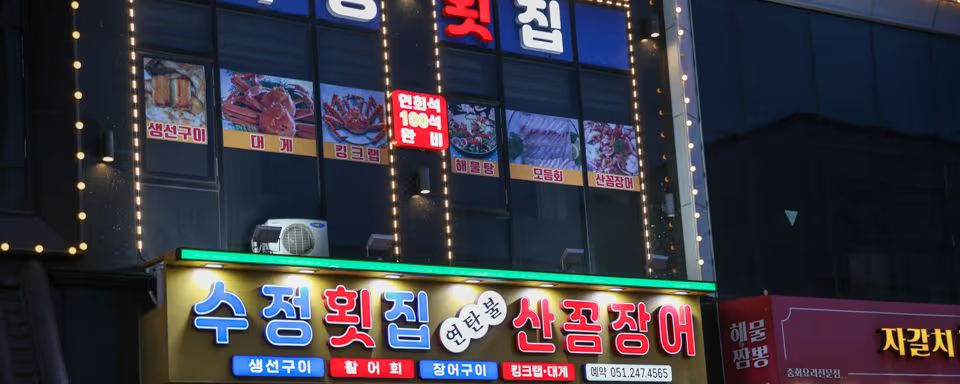
Popular Busan sashimi restaurants can have long waits on weekend evenings and holidays, so a phone reservation is essential rather than optional. When booking, share your party size, approximate budget, and any preferred fish, the restaurant can then prepare an optimized selection for the day. Most Jagalchi Coastal Road restaurants open at 11:00 AM, and visiting during the off-peak window (14:00-17:00) often means a quieter atmosphere and more attentive service. For parking, the public lots near Jagalchi Station (around KRW 1,000 / ~USD 0.70 per hour) are the most convenient option; some Haeundae restaurants have their own lots, so ask when reserving. Dress code is casual everywhere, but mentioning your preference for floor seating or table seating helps with arrangements. Restaurants offering Per-Person Custom Sets can craft the ideal course if you share your budget upfront, a comfortable and reliable way to dine.
Sashimi Restaurant Tips
- Book at least 1-2 days in advance for weekend and holiday dinners
- Jagalchi Station Exit 2 leads directly to the Coastal Road restaurant cluster, a 3-minute walk
- Sharing your budget with the restaurant lets them recommend the best-value set for your group
- If traveling with children, ask about kid-friendly items like shrimp tempura or steamed egg
- Weekday lunch specials offer better value than evening dining at many restaurants
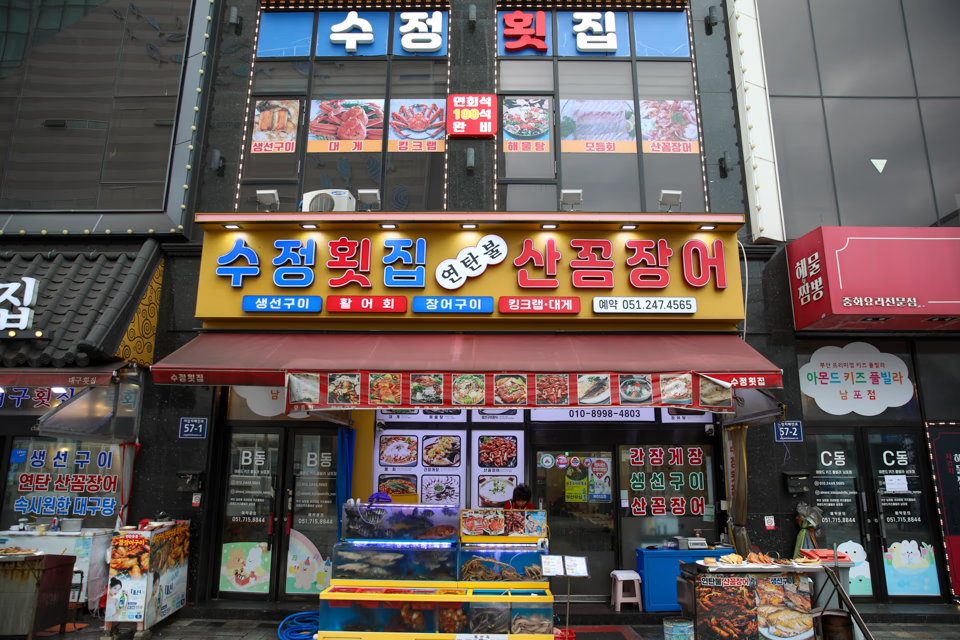
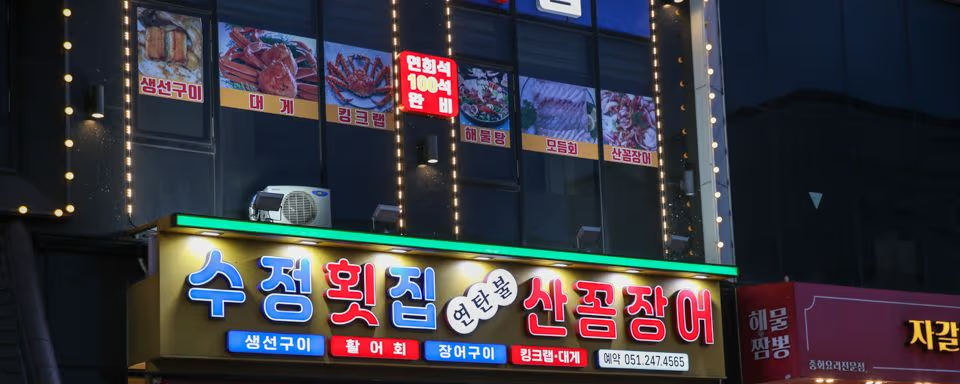
수정횟집
Jagalchi Coastal Road Sashimi Course, Busan Waterfront Recommended
57-1 Jagalchi Coastal Road
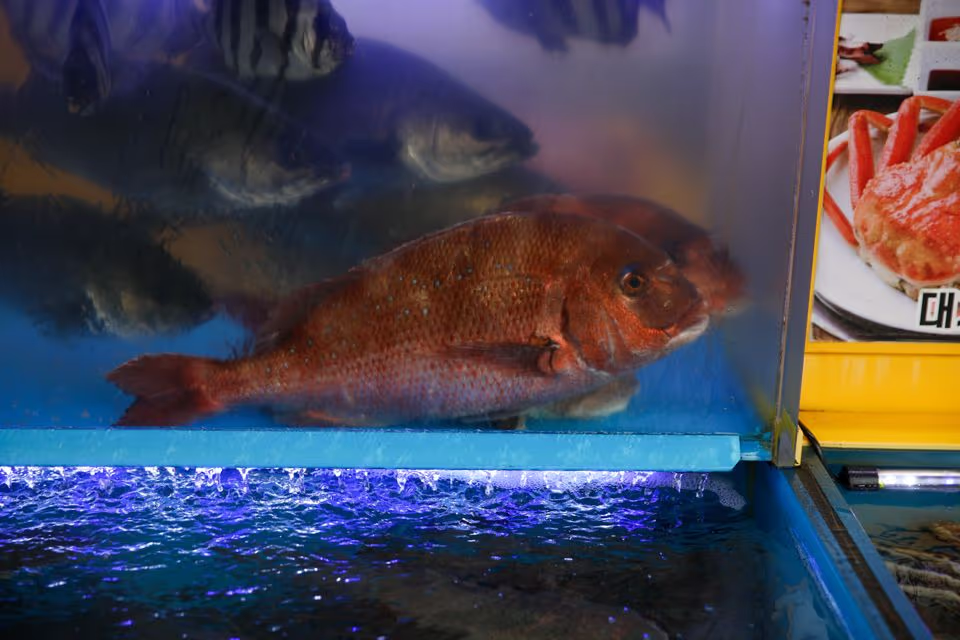
Jagalchi Coastal Road runs along the waterfront in Busan's historic downtown, lined with sashimi restaurants that receive their fish from the adjacent auction house each morning. The key advantage of this strip is minimal distribution overhead, the catch goes almost directly from auction to your plate, maximizing freshness. The area is less crowded than Jagalchi Market itself yet boasts a higher proportion of local regulars, a reliable signal of consistent quality. At a Jagalchi Coastal Road specialist, ordering an assorted platter (from KRW 60,000 / ~USD 44 for a small) gets you that day's finest catch under a Daily Selection arrangement. After the sashimi, the bones are simmered into a rich, peppery stew to round out the meal. One-person options like mulhoe (KRW 18,000 / ~USD 13), hoedeopbap (KRW 15,000 / ~USD 11), and hoe-jeongsik (KRW 20,000 / ~USD 15) are also available, as well as premium wild-caught selections (Daily Selection from KRW 80,000 / ~USD 59). After your meal, a stroll along the coastal road with Busan Harbor's evening lights is the perfect finish.
Sashimi Restaurant Tips
- From Jagalchi Station Exit 2, walk straight toward the coast, you will reach the restaurant row in under 3 minutes
- A small platter (KRW 60,000 / ~USD 44) serves two; a medium (KRW 80,000 / ~USD 59) is right for three
- Mulhoe and hoedeopbap are budget-friendly options even for solo travelers
- Premium wild-caught fish operates on a Daily Selection basis, ask about available species when you arrive
- After dinner, take the coastal promenade toward Busan Harbor for the night view, then head to Nampo-dong for dessert
Frequently Asked Questions
Nearby Attractions
Jagalchi Market
5-min walkKorea's largest seafood market, a must-visit before or after your sashimi meal to see the live fish and shellfish stalls
BIFF Square
8-min walkThe hub of Busan street food: seed-filled hotteok, spicy glass noodles, and more, perfect for post-meal snacking
Gukje Market (International Market)
10-min walkA sprawling traditional market for souvenirs, snacks, and people-watching in the heart of Nampo-dong
Yongdusan Park & Busan Tower
12-min walkA hilltop park overlooking Busan Harbor and Yeongdo Island, especially beautiful after sunset
Yeongdo Bridge
7-min walkA bascule bridge that opens daily at 2:00 PM, catch the spectacle and enjoy the harbor views
Sashimi Restaurant Tips
- The freshest fish is available during lunch (11:30-13:30) and early dinner (17:00-19:00), aim for these windows
- Weekend and holiday dinners require reservations, book at least 1-2 days ahead by phone
- Public parking lots near Jagalchi Station cost around KRW 1,000 (~USD 0.70) per hour and are the most convenient option
- In summer, request indoor air-conditioned seating; in spring and autumn, ask for a coastal-view table
- Most restaurants will pack leftover sashimi to go, do not feel pressured to finish everything at the table
- If you have food allergies, inform the staff when ordering, most restaurants can substitute alternative species
Recommended Courses
The Complete Jagalchi Coastal Road Sashimi Course
- Arrive at Jagalchi Station Exit 2, walk to the Coastal Road
- Reach the restaurant, browse the fish tank and check available species
- Order an assorted platter or hoe-jeongsik, ask for the seasonal recommendation
- Finish with spicy fish stew (maeuntang)
- Stroll along the Coastal Road, then explore Jagalchi Market
- Walk to BIFF Square and the Nampo-dong cafe district
Budget-Friendly Solo Sashimi Course
- Head from Jagalchi Station to a Coastal Road restaurant
- Order mulhoe (KRW 18,000) or hoedeopbap (KRW 15,000)
- Pair with a glass of soju for a relaxed lunch wrap-up
- Browse the seafood stalls on Jagalchi Market first floor
- Continue to Gukje Market, 40-Step Stairway, and Yongdusan Park
Sashimi by Region
Jagalchi Coastal Road
- Live-fish assorted platter
- Mulhoe
- Hoe-jeongsik
- Premium wild-caught sashimi
Jagalchi Market
- DIY fish purchase + upstairs preparation
- Hoedeopbap
- Mixed seafood platter
Haeundae
- Ocean-view sashimi platter
- Full course dining
- Upscale specialty restaurants
Mipo & Cheongsapo
- Fishing village sashimi
- Wild-caught fish
- Haenyeo (sea women) restaurants
Gijang
- Wild yellowtail
- Sea squirt & abalone
- Daebyeon Port restaurants