Busan Sashimi Experience Guide, Why Korean Hoe Tastes Different from Japanese Sashimi
Live-fish tank, chewy texture, perilla-leaf wrap, gochujang dip, complete Busan hoe eating guide
Summary, Chewy Means Fresh
Busan sashimi is not a variation of Japanese sashimi, it is a separate tradition built around live fish, immediate preparation, and a full-course structure that ends with bone broth and rice. The chewy texture, the three-sauce system, and the perilla leaf wrap all exist because the fish was alive minutes before it reached your plate. Once that logic clicks, every bite makes sense. Jagalchi Station Exit 2, straight ahead 220 meters, and you are sitting in front of the tank.
The Fundamental Difference, Your Fish Was Swimming Two Minutes Ago
Jagalchi Haean-ro
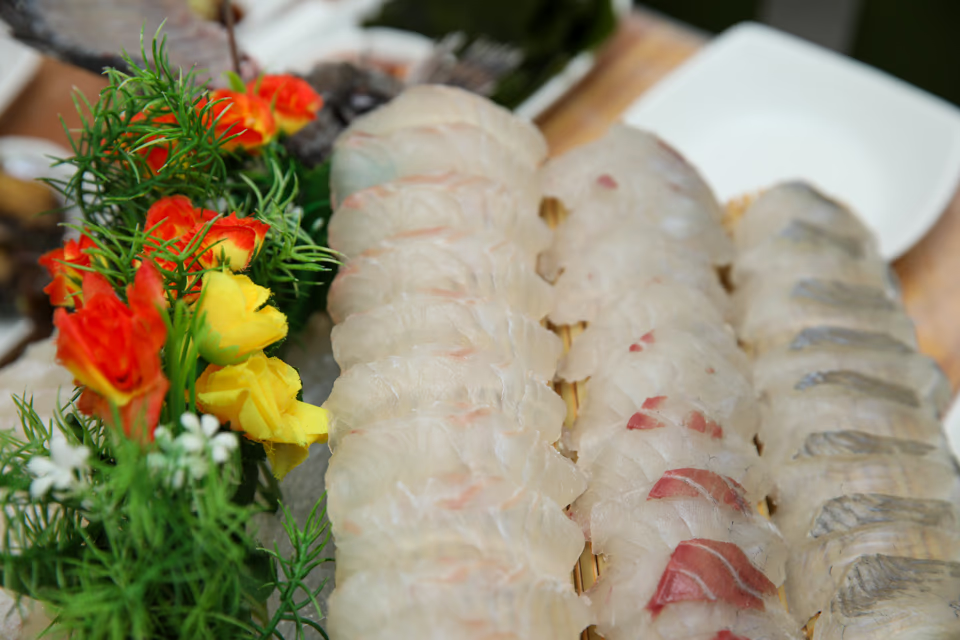
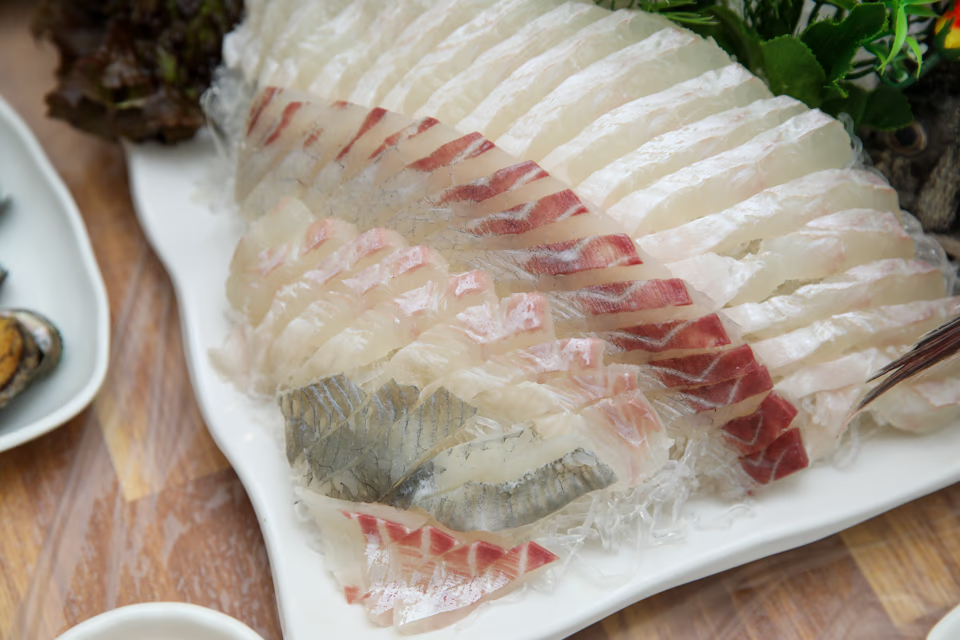
In most sashimi cultures, the fish is killed, aged, and sliced. In Busan, the process works in reverse order of patience. The customer picks a fish from the tank, the chef pulls it out, fillets it on the spot, and plates it within minutes. This means the muscle fibers are still contracting when the first slice hits your chopsticks. The result is a springy, almost crunchy chew that softens as you work through the platter. That chewiness is not a flaw, it is the entire point. Pre-cut sashimi relies on aging for tenderness; Busan hoe relies on the opposite, delivering texture that you physically feel with every bite.
Tips for First-Timers
- Chewy texture is the hallmark of freshness in Korean hoe, not a defect
- Slices from the tail end are chewier; belly cuts are softer
- The platter softens over 15-20 minutes as rigor mortis fades
- Ask for the fish to be sliced thin if you prefer less resistance
수정횟집
A Seasonal Cheat Sheet, What to Order and When
Jagalchi Haean-ro
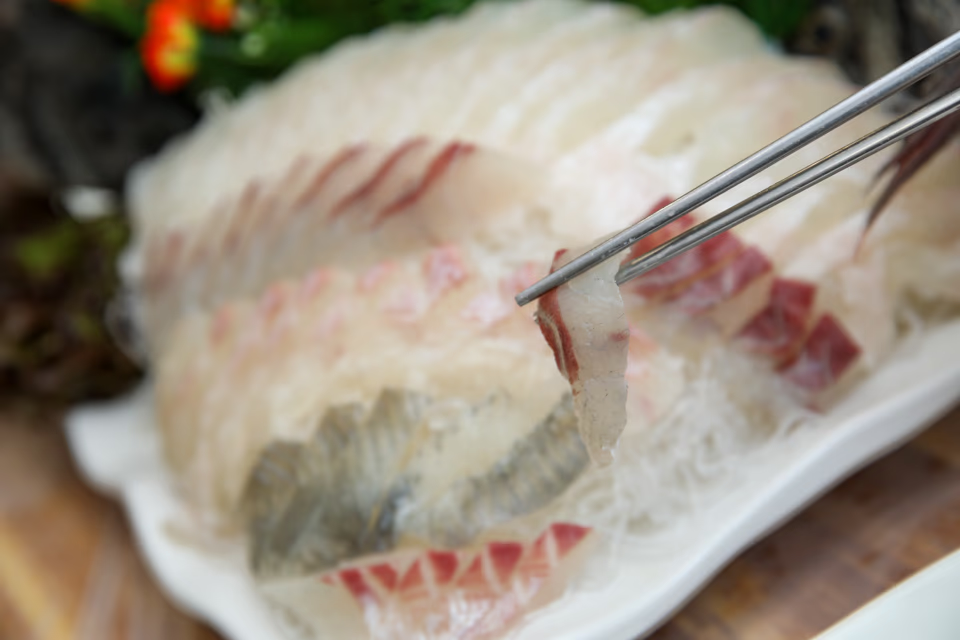
Flounder (gwangeo) is available year-round and delivers a firm, clean bite, the go-to for first-timers. Rockfish (urok) peaks in winter with a delicate sweetness and medium chew. Sea bream (domi) shines in spring, offering a buttery texture with mild flavor. Flatfish varieties rotate through summer, and squid (hanchi) appears on menus from late spring through autumn with a snap-crisp texture. At this Jagalchi waterfront restaurant, the tank contents shift with what the boats bring in each morning. The chef selects based on condition, not just species, so the recommendation changes daily. For premium wild-caught fish, pricing follows the Daily Selection model based on that morning's available species.
Tips for First-Timers
- Flounder, year-round, firm chew, best for beginners
- Rockfish, winter peak, sweet and medium-firm
- Sea bream, spring peak, buttery and mild
- Ask the chef what arrived that morning for the best pick
Three Dipping Options and the Perilla Leaf Wrap
Jagalchi Haean-ro
Korean hoe comes with three condiments, not one. Cho-gochujang is a sweet-spicy red pepper paste that pairs well with firm white fish. Soy sauce with wasabi works just like the Japanese approach, clean, sharp, and ideal for fattier cuts. Sesame oil with salt is the sleeper hit: it coats the fish without masking it and brings out the natural sweetness of fresh flounder. Beyond dipping, wrapping is half the experience. Place a slice on a perilla leaf (kkaennip), add a thin garlic slice, a dab of ssamjang paste, and fold. The herbal leaf, the raw fish, and the savory paste combine into something none of them achieve alone.
Tips for First-Timers
- Cho-gochujang (red paste), best with chewy white fish
- Soy + wasabi, classic pairing for fattier cuts
- Sesame oil + salt, locals' favorite for flounder
- Wrap fish in perilla leaf with garlic and ssamjang for the full ssam experience
Banchan First, Sashimi Second, Bone Broth Last
Jagalchi Haean-ro
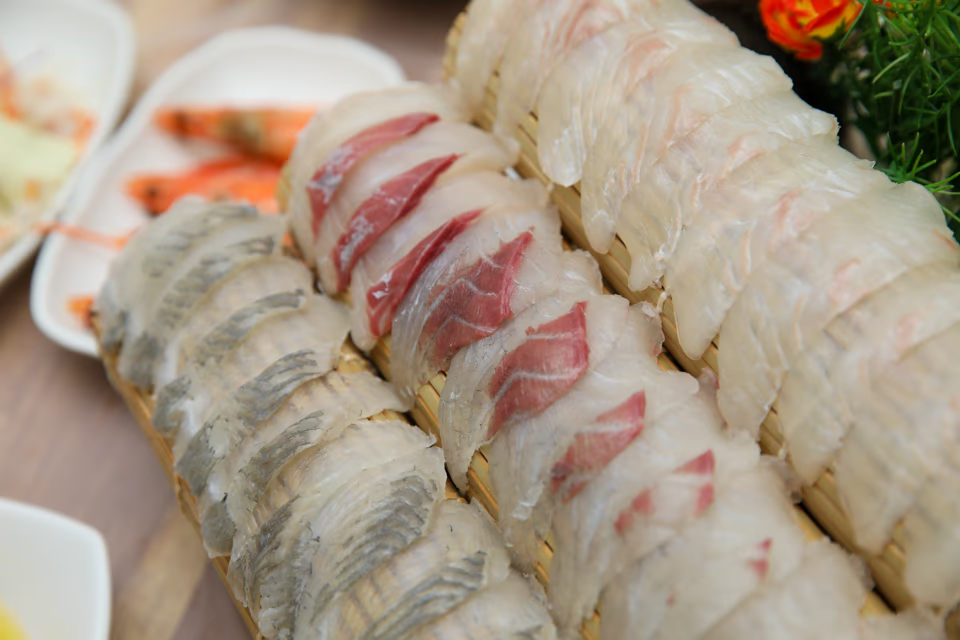
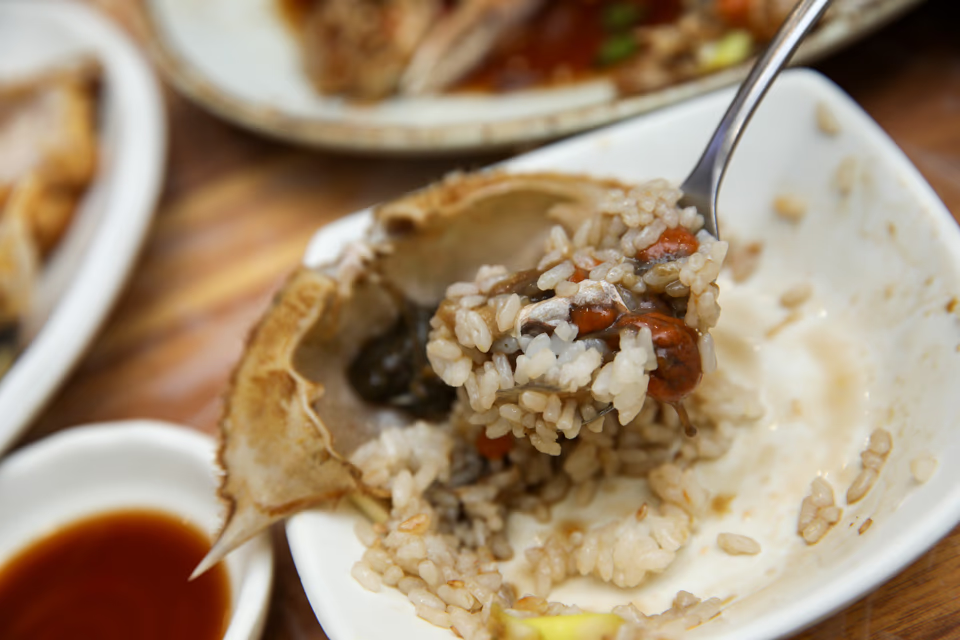
A proper hoe meal in Busan has a rhythm. Side dishes arrive first, typically six to eight small plates that change daily with fresh seasonal ingredients. These are not appetizers in the Western sense; they stay on the table throughout the meal and act as palate cleansers between bites of fish. The sashimi platter comes next, and you eat at your own pace. As the platter empties, the kitchen takes the fish bones and head, boils them into a spicy maeuntang broth, and delivers it with a bowl of rice. Stirring the rice into that broth is the closing act. The entire meal, from banchan landing to the last spoonful of soup, takes about forty-five minutes at a comfortable pace.
Tips for First-Timers
- Banchan stays on the table the entire meal, use them as palate breaks
- Eat the sashimi while it is still firm; it softens over time
- Bone broth (maeuntang) is included, no extra order needed
- Rice in the broth is the finale: stir, eat, done
Five Key Differences That Explain Everything
Jagalchi Haean-ro
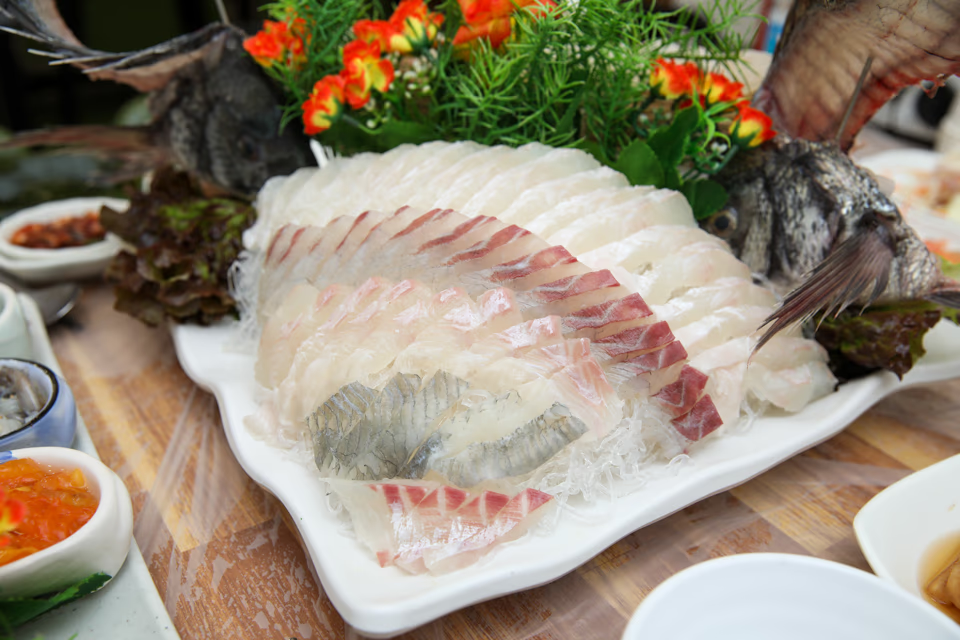
First, preparation: Japanese sashimi is often aged for tenderness, while Korean hoe is served minutes after the fish is alive. Second, texture: aged sashimi melts; fresh hoe bounces. Third, condiments: soy-wasabi dominates in Japan, but Busan tables offer three sauces plus wrapping leaves. Fourth, side dishes: Japanese sashimi often stands alone, while Korean hoe comes embedded in a full course with banchan, rice, and bone broth. Fifth, portion logic: Japanese omakase portions are precise; Korean platters pile high and the chef adjusts the amount based on group size. Neither tradition is better, they solve different problems. If you arrive expecting one and get the other, disappointment is inevitable. Knowing the differences in advance turns surprise into appreciation.
Tips for First-Timers
- Korean hoe = freshness-first, chewy, multi-sauce, full-course meal
- Japanese sashimi = aged, tender, soy-wasabi, standalone dish
- Expecting one style and getting the other causes most negative reviews
- Both are excellent, the trick is knowing which one you're sitting down to
| Item | Price | Details |
|---|---|---|
| Sashimi Set Meal | ₩20,000 | Live fish + soup + rice + banchan (~$15) |
| Iced Fish Soup (Mulhoe) | ₩18,000 | Chilled broth + raw fish slices (~$13) |
| Assorted Sashimi (S) | ₩60,000 | Platter for 2 [Standard Size Pricing] (~$44) |
| Assorted Sashimi (M) | ₩80,000 | Platter for 3 [Standard Size Pricing] (~$59) |
| Assorted Sashimi (L) | ₩100,000 | Platter for 4 [Standard Size Pricing] (~$74) |
| Assorted Sashimi (XL) | ₩120,000 | Platter for 5+ [Standard Size Pricing] (~$88) |
| Wild Premium Sashimi | ₩80,000~ | Species varies daily [Daily Selection] |
| Salmon Sashimi | ₩50,000 | Farm-raised, butterier cut (~$37) |
Frequently Asked Questions
Nearby Attractions
Jagalchi Fish Market Building
5 min walkMulti-story wholesale and retail fish market
BIFF Square
7 min walkStreet food alley famous for seed hotteok and fish cake skewers
Nampo Underground Shopping
8 min walkBudget-friendly fashion and accessories
Songdo Beach
10 min by taxiClosest beach to Jagalchi with a cable car ride
Yeongdo Bridge
7 min walkDaily 2 PM opening event, visible from the waterfront
Tips for First-Timers
- Ask the chef which fish arrived that morning, the freshest option rotates daily
- Eat the chewiest slices first while they are still firm; belly cuts soften faster
- Side dishes change daily with fresh seasonal ingredients, refills are free
- Wrap sashimi in perilla leaf with garlic and ssamjang for the authentic local method
- The bone broth arrives automatically once the sashimi is finished, stir rice in
- Lunch service on weekdays is the least crowded window
Recommended Route
Busan Sashimi Tasting Route
- Jagalchi Station Exit 2 → 220m walk along Haean-ro
- Browse the fish tank, ask the chef for the day's recommendation
- Banchan lands → start with side dishes as palate primer
- Sashimi platter arrives → try all three sauces and perilla wrap
- Bone broth + rice finish → the closing act
- Walk to BIFF Square for street food dessert
Sashimi Spots by Area
Jagalchi Haean-ro
- Live-cut hoe
- Assorted sashimi platters
- Bone broth finish
Haeundae
- Resort-area sashimi restaurants
- Beach-view dining
Gwangan
- Night-view sashimi spots
- Craft beer + raw fish combos
Along Jagalchi Haean-ro, a Jagalchi ajumae with over a decade of experience selects your fish from the tank
Tank-to-table sashimi · Three dipping sauces · Perilla leaf wraps · Bone broth finale
Explore the restaurant