Busan Seasonal Seafood Guide — Monthly Calendar

What to eat in Busan month by month

수정횟집 · 2026-04-05 Updated

음식 베스트10

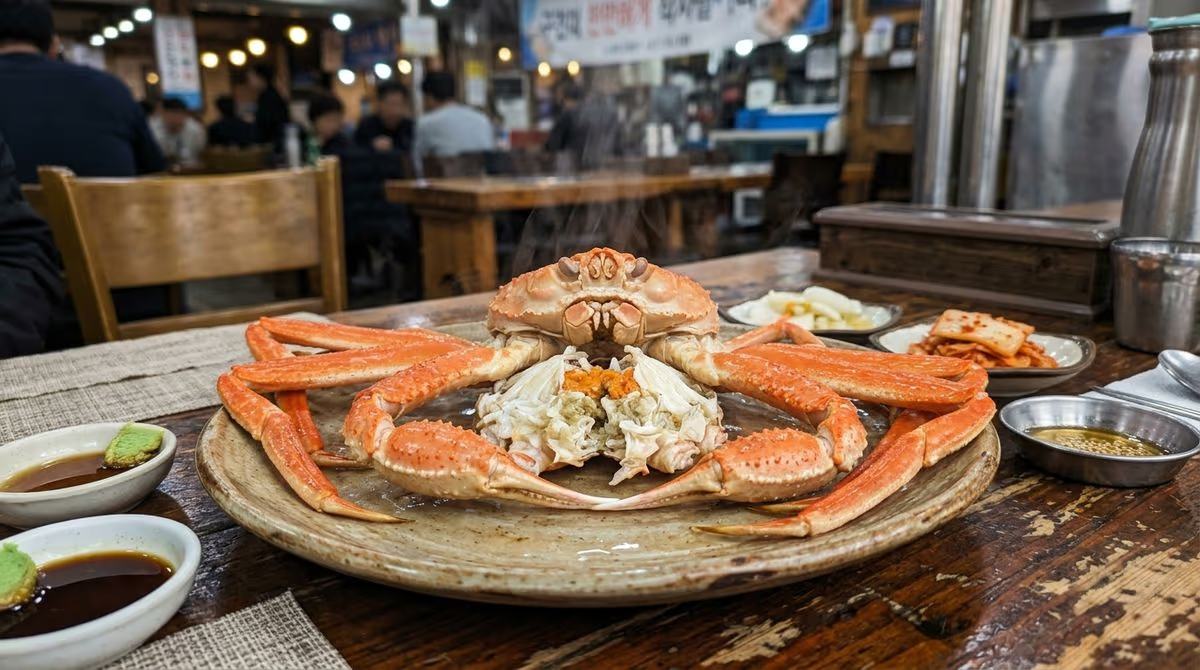
Winter snow crab at Jagalchi Market, Busan
1

January — Snow Crab (Daege)

Jagalchi Market & Gijang · [Daily Selection] From ₩20,000 per crab

The undisputed king of winter seafood, snow crab reaches its peak sweetness and fullness in January. Deep-sea specimens hauled from the East Sea arrive at Jagalchi Market alive and wriggling. Snap off a leg, pull out the flesh, and you will find strands of meat so tightly packed they almost feel fibrous — sweet, briny, and incredibly satisfying. Pick a live crab on the ground floor of Jagalchi Market and have it steamed upstairs in minutes. The classic dip is soy sauce, but the real highlight is "ddakji-bap": scoop rice into the shell, mix it with the remaining roe and juices, and experience the richest bite winter has to offer.

Peak season December–February; January is the absolute best
#winter#crustacean#Jagalchi Market
Details
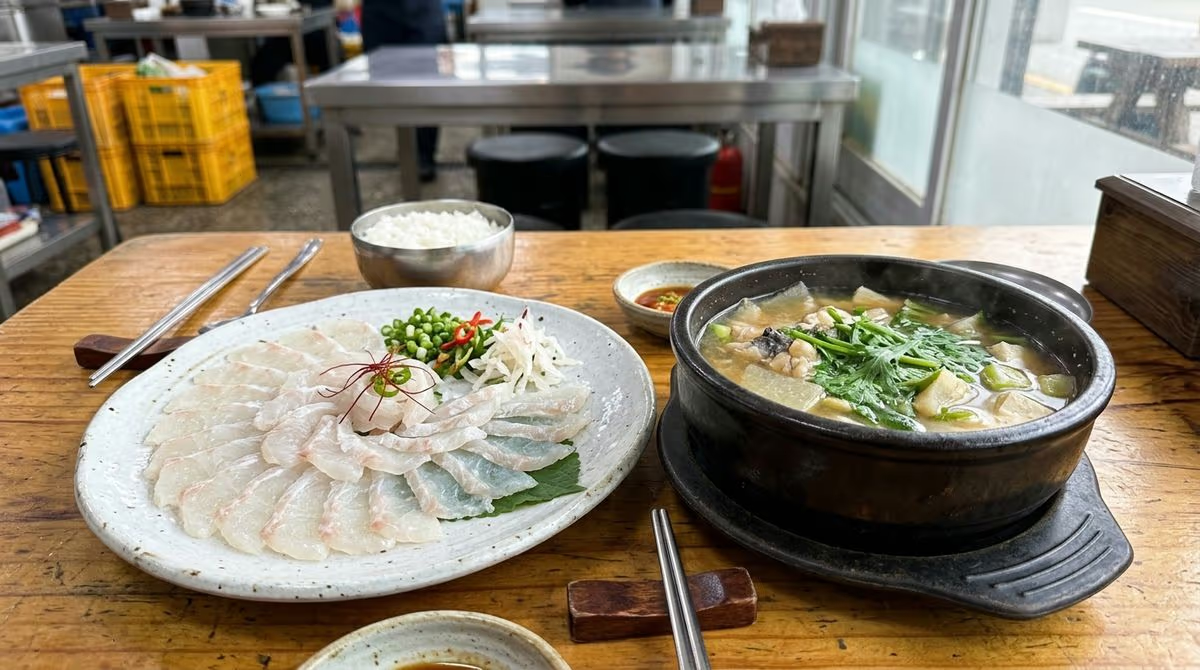
Busan flounder sashimi and Dodari Ssukguk (mugwort soup)
2

February — Flounder (Dodari)

Jagalchi Market & sashimi restaurants city-wide · Flounder sashimi ₩30,000–50,000 / Mugwort soup ₩12,000–15,000

There is a Korean saying: "Spring flounder, autumn gizzard shad." Flounder starts coming into season from late February, and its delicate white flesh is mild, chewy, and subtly nutty. The most beloved spring preparation in Busan is Dodari Ssukguk — a clear soup of flounder simmered with seaside mugwort that carries the unmistakable fragrance of early spring. Sliced thin as sashimi and dipped in vinegar-pepper sauce, flounder offers a more refined texture than its larger relative, olive flounder. As a spicy stew, it yields a milky, bone-white broth that doubles as a hangover cure. When February rolls around, Busan locals start saying "flounder season is here" and head straight for the sashimi bars.

February–April; March is best for mugwort soup when wild mugwort sprouts along the coast

#spring#white fish#Dodari Ssukguk
Details
Fresh spring sea squirt sashimi at Jagalchi Market
3

March — Sea Squirt (Meongge)

Jagalchi Market, Geoje & Tongyeong · Sea squirt sashimi ₩15,000–25,000 / Bibimbap ₩12,000

Sea squirt looks like a sea pineapple, but one bite and you are hooked. March specimens have been slowly growing in cold winter water, so the flesh is plump and bursting with oceanic sweetness that intensifies the more you chew. At Jagalchi Market, vendors crack open freshly harvested sea squirt right before your eyes — a level of freshness that refrigerated product simply cannot match. Sea squirt bibimbap is a hidden gem: toss the flesh with sesame oil and spicy-sweet sauce over rice for a bowl that tastes like the ocean in spring. Pickled sea squirt (jeotgal) also makes a popular Busan souvenir you can enjoy at home for weeks.

Spring season March–May; March offers the plumpest flesh

#spring#seafood#Jagalchi Market
Details
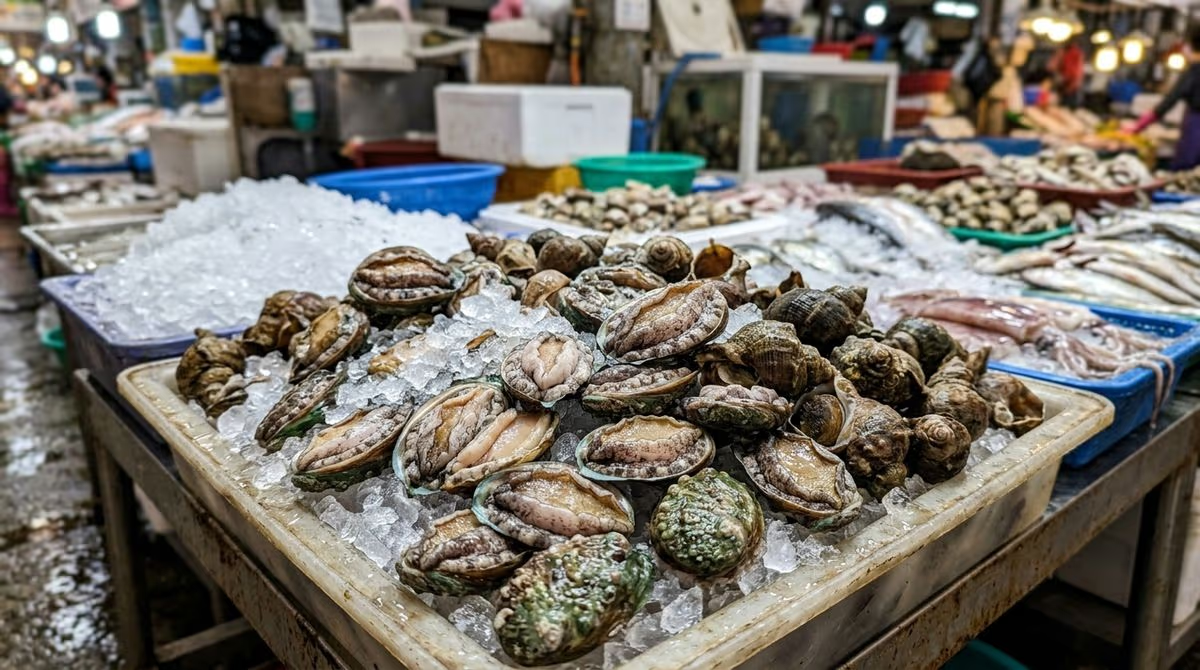
Spring abalone and turban shells at Jagalchi Market, Busan
4

April — Turban Shell & Abalone (Sora & Jeonbok)

Jagalchi Market & Gijang · Abalone sashimi from ₩50,000 / Grilled abalone from ₩50,000 / Abalone porridge ₩20,000

April is the peak of spring shellfish season. Turban shells have an addictively chewy texture — boil them, twist out the meat with a toothpick, dip it in vinegar-pepper sauce, and you will find yourself reaching for another before you finish chewing the first. Abalone, often called the "emperor of the sea," feeds on nutrient-rich seaweed through spring, resulting in firm, bouncy flesh by April. At Jagalchi Market, live abalone is sliced into sashimi on the spot. Grilled with butter and soy sauce, baked into porridge, or enjoyed raw — Busan offers every preparation imaginable. At Gijang, haenyeo (women divers) harvest wild abalone by hand, delivering a chewiness and depth of flavor that farmed abalone simply cannot replicate.

Abalone April–June, turban shells March–May

#spring#shellfish#abalone#turban shell
Details
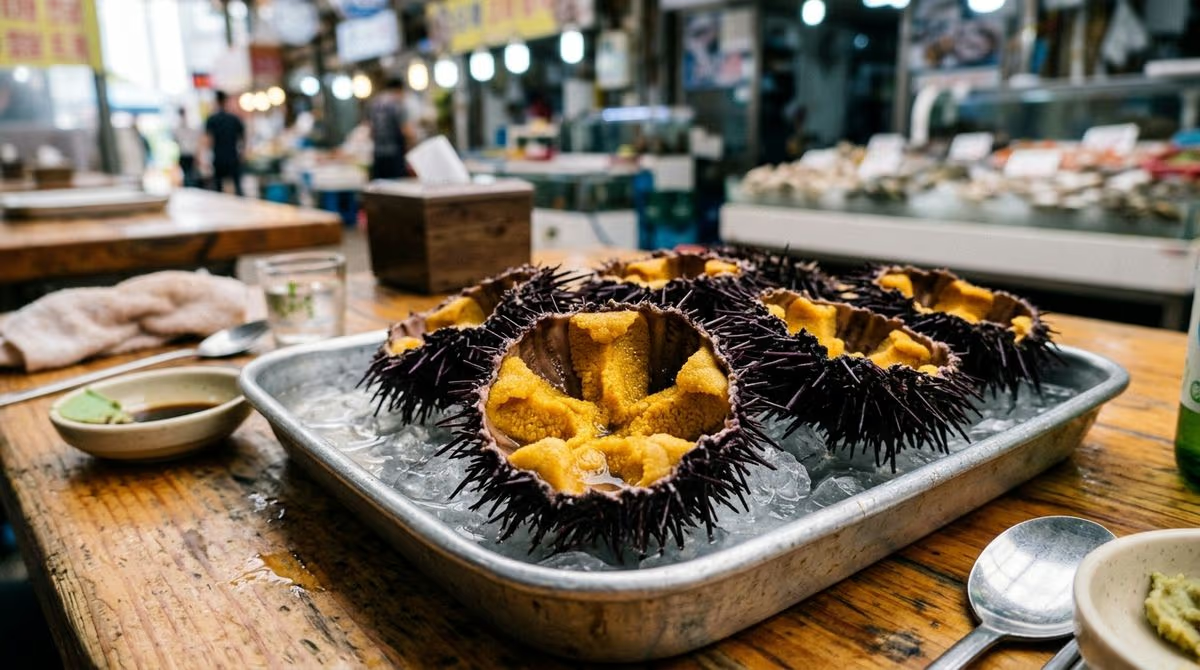
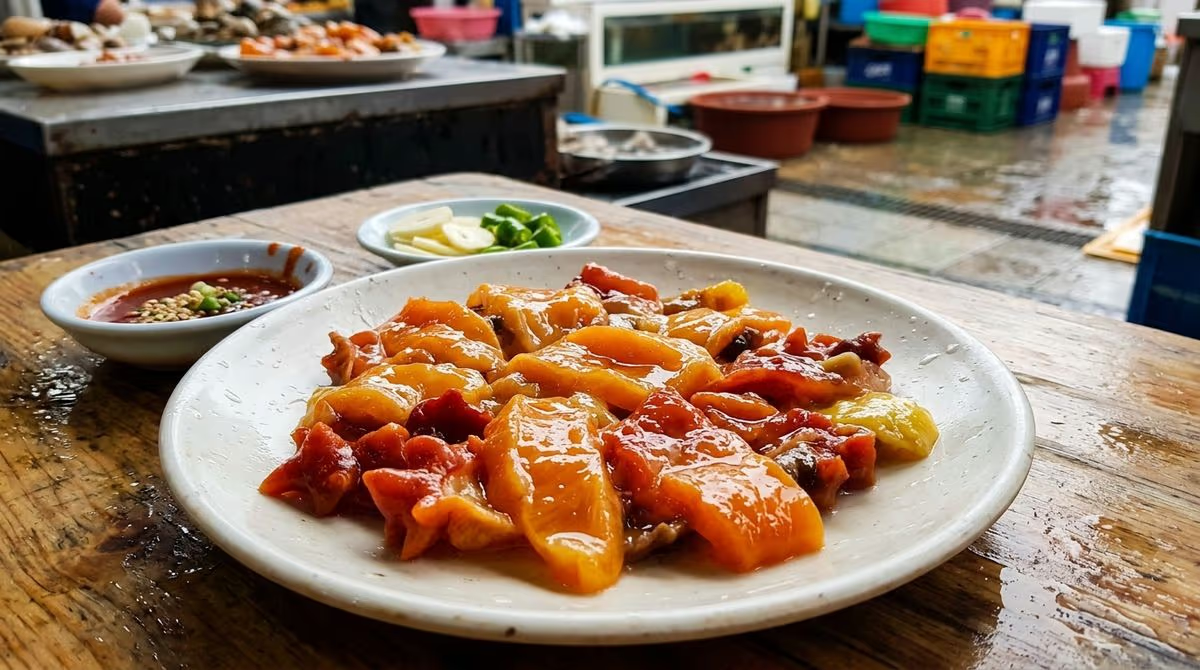
Fresh sea urchin roe at Jagalchi Market, Busan
5

May — Sea Urchin (Seongge)

Jagalchi Market & Gijang · Sea urchin bibimbap ₩15,000–20,000 / Sea urchin plate ₩20,000–30,000

Sea urchin roe is called "butter of the sea" for good reason. In May, the gonads reach their largest size and richest flavor. Split the spiny shell open and you will find bright orange lobes arranged like a star — scoop one up and it melts on your tongue with a creamy, intensely oceanic sweetness. At Jagalchi Market, freshly cracked urchin is served over rice as bibimbap, or wrapped in a strip of seaweed with a drop of soy sauce — the way the fish auction workers themselves eat it. In Japan, sea urchin is one of the most expensive sushi toppings; in Busan, you can enjoy the same export-grade quality at a fraction of the price. Gijang wild sea urchin is widely regarded as the best in Korea for both size and flavor.

Peak May–June; season ends before the July spawning period

#spring#seafood#sea urchin#delicacy
Details
Spicy grilled live hagfish on Jagalchi Coastal Road
6

June — Grilled Live Hagfish (Kkomjangeo)

Jagalchi Haean-ro · Live hagfish from ₩60,000

June is peak season for hagfish, and this Jagalchi Coastal Road specialist serves only live specimens pulled straight from the tank. Live hagfish has a springy, chewy texture that frozen product cannot replicate. On the grill, rendered fat sizzles and fills the air with a rich, savory aroma. The signature three-course experience starts with salt-grilled hagfish to appreciate the natural flavor, moves on to a stir-fry in house-made spicy sauce, and finishes with fried rice made on the same griddle to soak up every last drop. Among Busan locals, this Jagalchi Coastal Road restaurant has earned a strong word-of-mouth reputation for its live hagfish.

Summer season May–August; June is the tastiest month

#summer#Jagalchi Coastal Road#hagfish#grilled
Details
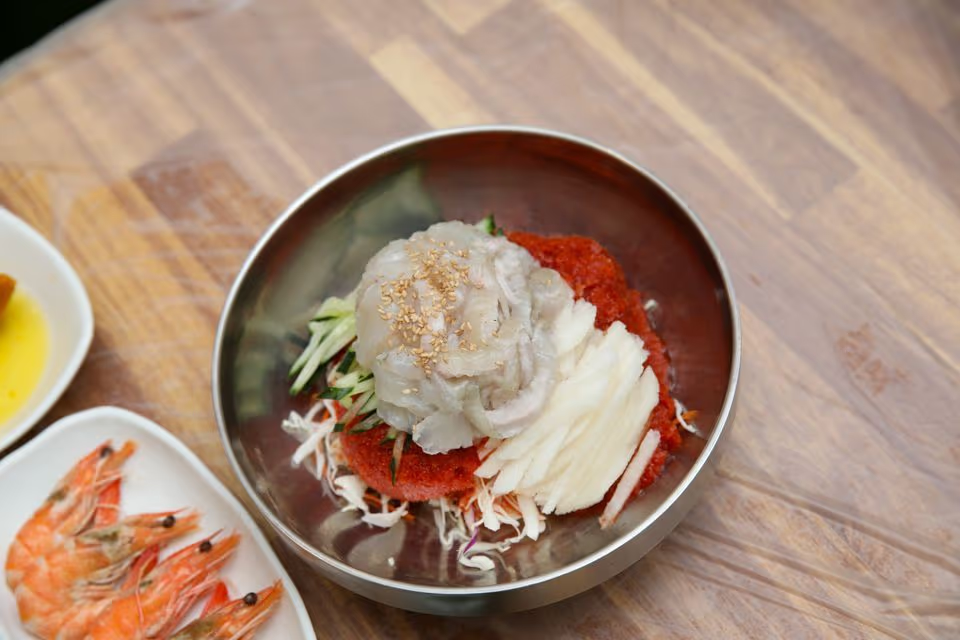
Ice-cold mulhoe (cold raw fish soup) at Jagalchi Coastal Road — the summer must-have
7

July — Cold Raw Fish Soup & Live Sashimi (Mulhoe)

Busan Jung-gu, Nampo-dong · Mulhoe ₩18,000 / Premium mulhoe ₩25,000 / Assorted sashimi from ₩60,000

When the midsummer heat is relentless, nothing revives the body like a bowl of ice-cold mulhoe. This restaurant sources live fish directly from the Jagalchi fish auction every morning, keeps them in on-site tanks, and prepares each bowl to order. Sweet-tangy vinegar broth is loaded with generous slices of seasonal flatfish and rockfish sashimi, topped with cucumber, water parsley, and perilla leaves. One spoonful of the icy broth sliding down your throat is enough to make the summer disappear. At ₩18,000, it is an unbeatable way to taste Busan seafood without committing to a full sashimi course. The premium mulhoe (₩25,000) and assorted sashimi platter (from ₩60,000) are also at peak popularity in July.

Mulhoe season April–September; peak flavor in the July–August heat

#summer#Jagalchi Coastal Road#mulhoe#sashimi
Details
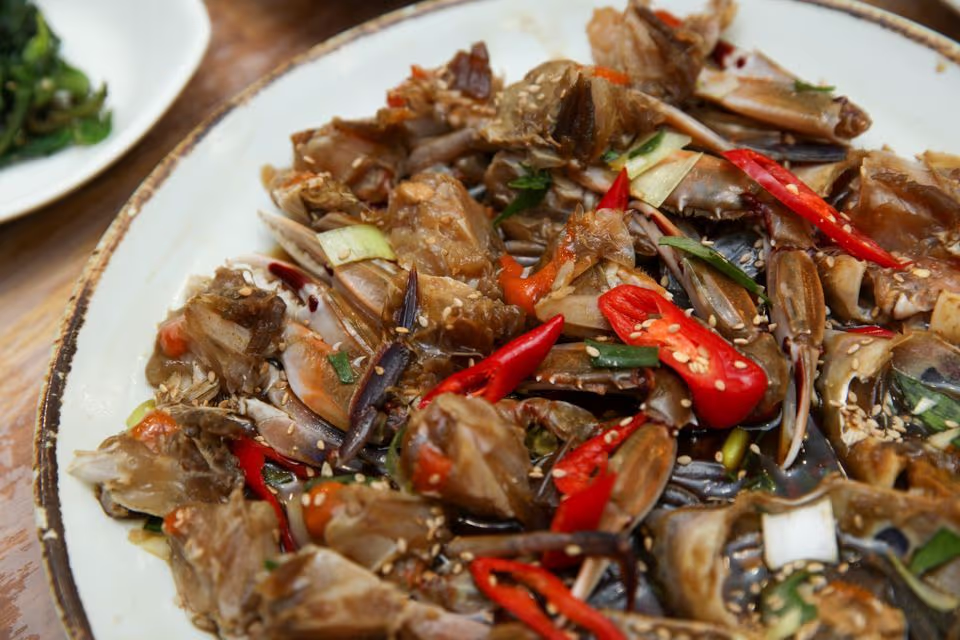
Ganjang Gejang (soy sauce marinated crab) — the legendary rice thief on Jagalchi Coastal Road
8

August — Soy Sauce Marinated Crab (Ganjang Gejang)

Next to Jagalchi Fish Market · Ganjang Gejang ₩30,000

August is when crab roe reaches peak fullness, making it the finest month for ganjang gejang. This restaurant prepares fresh crabs daily, brewing and cooling a proprietary soy sauce — enriched with green onion, garlic, ginger, and onion — at least three times before pouring it over the crabs and aging them for three or more days. The result is deeply savory without being too salty. Crack open the shell to reveal glistening orange roe and tightly packed meat bathed in seasoned soy sauce. Scoop hot rice into the shell, mix everything together, and you will instantly understand why Koreans call this dish "bap-doduk" — the rice thief. Voted the number-one rice accompaniment in Korea year after year, ganjang gejang is a summer Busan essential.

Best April–August when roe is fullest; August is the peak

#summer#Jagalchi Coastal Road#ganjang gejang
Details
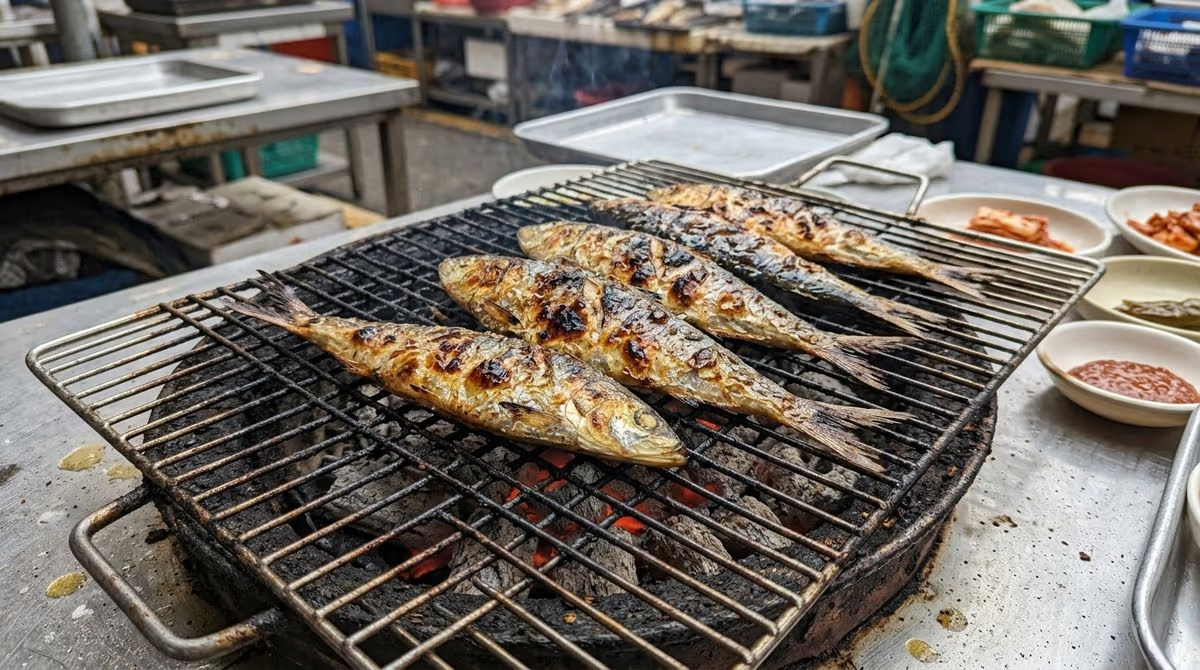
Grilled gizzard shad in autumn Busan
9

September — Gizzard Shad (Jeoneo)

Jagalchi Market, Gupo & Myeongji · Jeoneo sashimi ₩15,000–25,000 / Grilled set ₩20,000–30,000

There is a Korean proverb: "Autumn gizzard shad makes a runaway daughter-in-law come home." That is how irresistible September jeoneo is. Fattened for winter, these silver fish drip with oil on the grill, sending a nutty, roasted aroma wafting through the entire alley. Eating jeoneo bones and all is the local way — the crispy, charred bones contrast beautifully with the soft, oily flesh. Fresh jeoneo sashimi is equally compelling: the more you chew, the more the rich, nutty flavor builds. Gupo Market and Myeongji Market host jeoneo festivals every September, while Jagalchi Market stocks the freshest silver-sided catch daily. A trio of jeoneo sashimi, grilled jeoneo, and jeoneo salad is the complete way to experience autumn by the Busan sea.

Autumn season September–October; mid-September to early October is peak

#autumn#fish#gizzard shad#grilled
Details
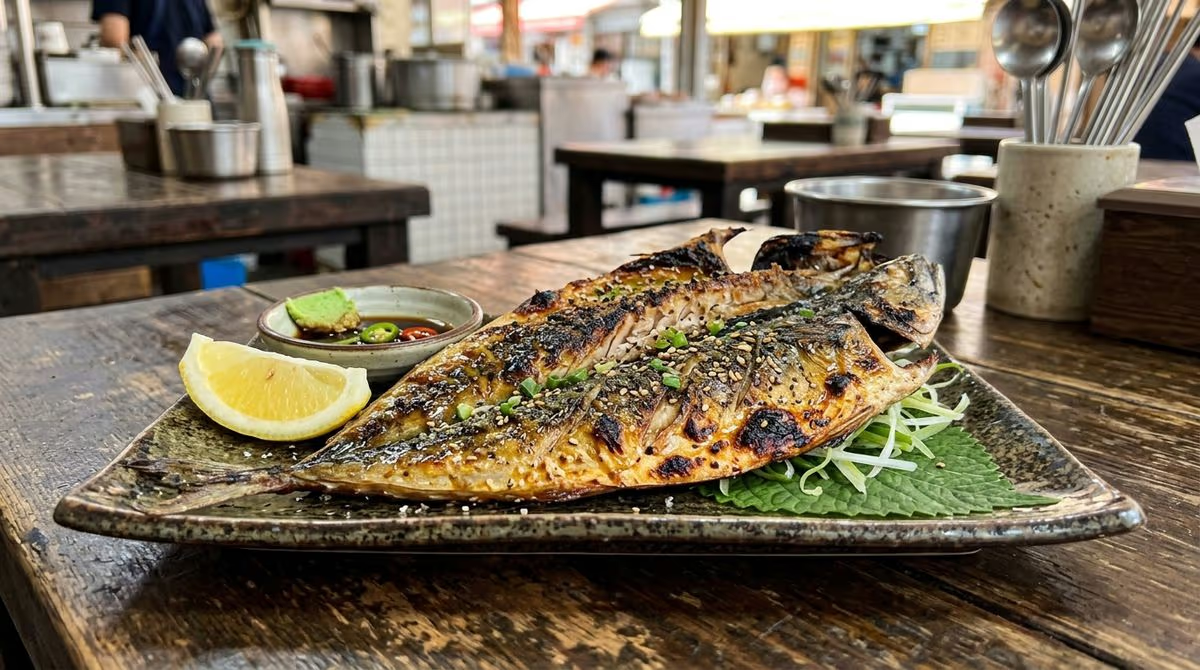
Grilled autumn mackerel in Busan
10

October — Mackerel (Godeungeo)

Jagalchi Market & restaurants city-wide · Assorted grilled fish from ₩40,000 / Grilled fish set meal ₩15,000

An old Korean saying warns: "Do not give autumn mackerel to your daughter-in-law" — because it is too delicious to share. October mackerel, gorged on fat for winter, grills up with a crackling skin and oil-slicked flesh that melts in your mouth. In Busan, salted mackerel (jaban-godeungeo) is a beloved home-style side dish, while restaurants offer it braised in soybean paste, steamed, or even as sashimi. Autumn mackerel sashimi carries a richness that rivals fatty tuna belly, and braised mackerel in doenjang sauce is a one-bowl-of-rice-and-done kind of dish. Come October, the stalls at Jagalchi Market are lined with plump, gleaming mackerel as far as the eye can see.

Autumn peak October–November; October is the very best

#autumn#fish#mackerel#omega-3
Details
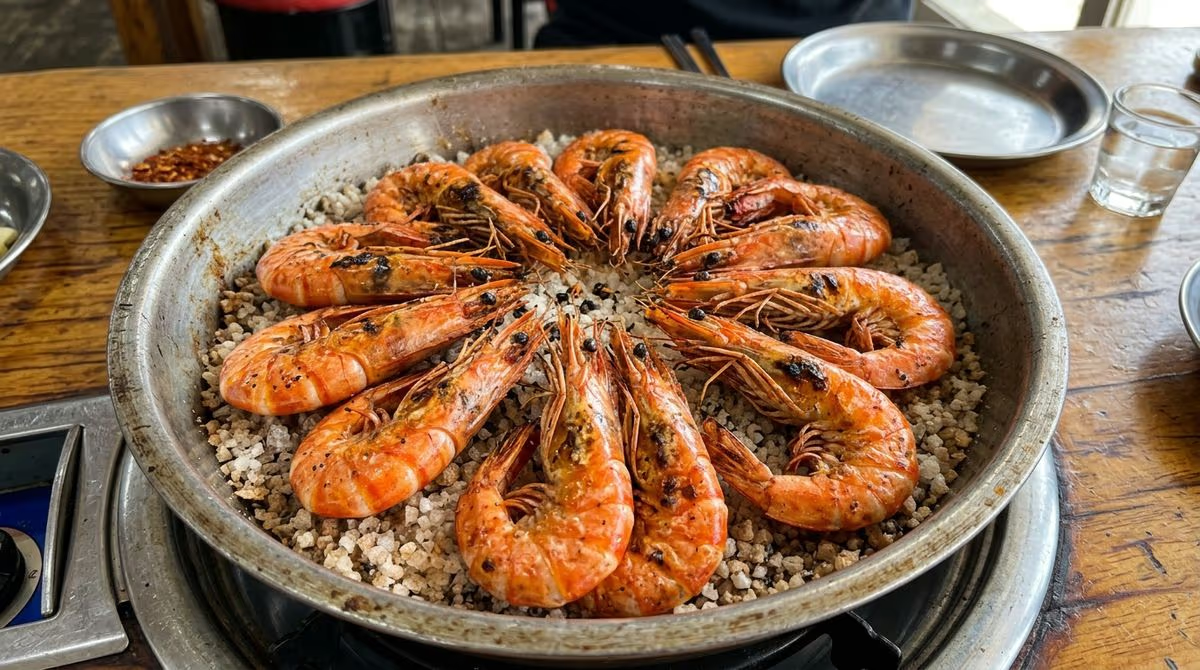
Salt-grilled king prawns at Jagalchi Market, Busan
11

November — King Prawn (Daeha)

Jagalchi Market & Gijang · Grilled prawns from ₩30,000 / Deep-fried prawns from ₩30,000

November brings king prawns larger than your palm to Busan. Salt-grilled, they turn a vivid red, and peeling back the shell reveals bouncy, translucent flesh that bursts with a sweet, briny juice the moment you bite in. At Jagalchi Market, you can even eat live king prawn as sashimi — the springy, glass-clear flesh offers a texture unlike any other seafood. Salt-grilled, steamed, butter-grilled, or deep-fried — every cooking method brings out a different charm. A squeeze of lemon over salt-grilled king prawn creates a perfect trio of salty, sweet, and citrusy flavor. Closing out autumn with the sweetness of king prawn is a fitting finale to a Busan seafood journey.

Season October–December; November is the prime month

#autumn#crustacean#king prawn#shrimp
Details
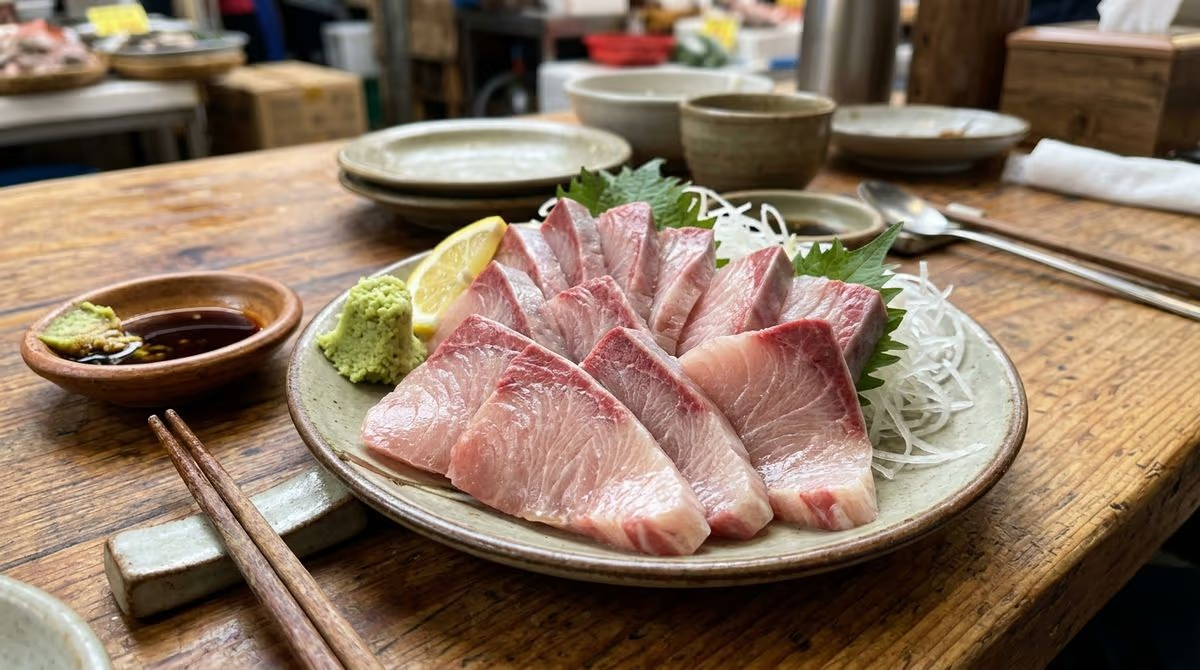
Winter yellowtail sashimi at Jagalchi Market, Busan
12

December — Yellowtail (Bangeo)

Jagalchi Market & Gijang · Yellowtail sashimi ₩40,000–80,000 / Grilled collar ₩20,000–30,000

December yellowtail is called "the tuna of winter" for its overwhelmingly rich, fatty flavor. Fattened in frigid winter seas, a sashimi slice reveals deep red flesh marbled with visible white fat lines. Place it on your tongue and it practically melts, releasing a profound umami that lingers. At Jagalchi Market, winter auctions feature yellowtail over 10 kg — the larger the fish, the fattier the belly (otoro) section and the more intense the melt-in-your-mouth experience. Yellowtail sashimi, yellowtail sushi, grilled yellowtail collar (kama), and yellowtail shabu-shabu are all popular preparations. The collar, especially, is a joy — picking the succulent meat between the bones is half the fun. A plate of yellowtail sashimi is the perfect way to crown a year-end Busan trip.

Best season December–January; mid-December is the peak

#winter#fish#yellowtail#sashimi
Details

수정횟집

Taste the freshest seasonal seafood daily at Sujeong Hoejib

View restaurant details

Budget Guide by Dish

음식예산
Snow Crab (January)

Pick a live crab on the ground floor and pay a small cooking fee (around ₩5,000) upstairs. Buying by the kilogram with 2–3 people is more economical than per-crab pricing.

₩20,000–50,000 per crab
Flounder (February)

Order a sashimi + mugwort soup set to save ₩5,000–10,000 over ordering separately. Mugwort soup alone at ₩12,000 makes an affordable spring meal.

₩30,000–50,000
Sea Squirt (March)

Sea squirt bibimbap at ₩12,000 is the easiest entry point. Small jars of sea squirt jeotgal start at ₩5,000 for a souvenir.

₩15,000–25,000
Turban Shell & Abalone (April)

Abalone porridge at ₩20,000 is the best value. Sashimi and grilled start from ₩50,000 — prices vary by size, so ask first.

₩20,000–50,000
Sea Urchin (May)

Sea urchin bibimbap at ₩15,000 is the most affordable way in. You can also buy a cup of fresh roe directly at the market.

₩15,000–30,000
Hagfish (June)

Live hagfish starts at ₩60,000. Go through all three stages — salt-grilled, spicy stir-fry, and fried rice — to get the full experience.

From ₩60,000
Mulhoe (July)

Regular mulhoe ₩18,000, premium ₩25,000. The best-value way to taste Busan seafood without committing to a full sashimi course (from ₩60,000).

From ₩18,000
Soy Crab (August)

Ganjang gejang at ₩30,000. Extra rice is a must — budget for at least two bowls.

₩30,000
Gizzard Shad (September)

Order a sashimi + grilled set to sample both preparations. Gupo Market festival season offers even lower prices.

₩15,000–30,000
Mackerel (October)

Grilled fish set meal at ₩15,000 is the most economical. Assorted grilled fish from ₩40,000 lets you try several seasonal fish at once.

₩15,000–40,000
King Prawn (November)

Grilled prawns from ₩30,000, fried prawns from ₩30,000. Do not skip the heads — sucking them is half the experience.

From ₩30,000
Yellowtail (December)

Combine sashimi + grilled collar for variety. Ask for fish over 10 kg for the best fat content.

₩40,000–80,000

Frequently Asked Questions

Where can I eat seasonal seafood at the best prices in Busan?
Jagalchi Market offers the best value. Pick your seafood on the ground floor and have it cooked at an upstairs restaurant — with no middlemen, prices are 30–40% lower than typical sashimi restaurants. Gijang Seafood Market and Haenyeo Village are also excellent source-price options.
When is the best time to visit Busan for seafood?
Spring (March–May) brings sea squirt, abalone, and sea urchin. Summer (June–August) is for hagfish, mulhoe, and soy crab. Autumn (September–November) features gizzard shad, mackerel, and king prawn. Winter (December–February) is snow crab, yellowtail, and flounder season. For the widest variety, April–May or September–October is ideal.
What should I know before ordering seafood at Jagalchi Market?
Always confirm the seafood is live (hwal-eo). Prices are usually quoted per kilogram at the daily market rate, so check the weight and price before you commit. Cooking fees (steaming, grilling, etc.) are charged separately at ₩5,000–10,000. Card payments are accepted, but some vendors offer small cash discounts.
I have a seafood allergy. Can I still enjoy Busan seafood safely?
If you are allergic to crustaceans (crab, shrimp), choose white-flesh fish like flounder or flatfish, or try sea squirt and sea urchin instead. If shellfish is the issue, skip abalone and turban shells and stick to fish. Inform the restaurant staff in advance and they will recommend safe alternatives.
Can I order a seasonal seafood tasting course at the Jagalchi restaurant?
Yes. Sujeong Hoejib sources the freshest seasonal catch from the Jagalchi fish auction every morning. When you visit, you can see the live seafood in the tanks and ask the owner for the day's seasonal recommendation. You can also call ahead at 010-8998-4803 to ask what is in season.

How to Get to Each Dish

Snow Crab (January)

3 min from Jagalchi Stn

Jagalchi Market & Gijang Seafood Market

Line 1 Jagalchi Station Exit 3

3-minute walk from Jagalchi Station Exit 3. Pick live crabs on the ground floor and have them steamed upstairs. Gijang Seafood Market is a 20-minute drive from Haeundae.

Flounder (February)

3 min from Jagalchi Stn

Jagalchi Market & sashimi restaurants city-wide

Line 1 Jagalchi Station Exit 3

Jagalchi Market restaurants offer flounder sashimi + mugwort soup sets. City-wide sashimi bars carry flounder as a seasonal menu item from February to April.

Sea Squirt (March)

3 min from Jagalchi Stn

Jagalchi Market ground floor, live seafood area

Line 1 Jagalchi Station Exit 3

Freshly harvested sea squirt is cracked open on the spot at the ground-floor stalls. Sea squirt bibimbap is available at market restaurants.

Turban Shell & Abalone (April)

3 min from Jagalchi Stn / 50 min to Gijang

Jagalchi Market & Gijang Haenyeo Village

Jagalchi Station Exit 3 / Gijang Haenyeo Village

Live abalone and turban shells at Jagalchi Market. Gijang Haenyeo Village offers wild abalone at lower prices.

Sea Urchin (May)

3 min from Jagalchi Stn

Jagalchi Market & Gijang Seafood Market

Line 1 Jagalchi Station Exit 3

Buy freshly cracked sea urchin by the cup at Jagalchi Market stalls. Gijang Seafood Market offers wild urchin at slightly lower prices.

Hagfish (June)

3 min from Jagalchi Stn

57-1 Jagalchi Coastal Road

Line 1 Jagalchi Station Exit 3, 3-min walk

Walk straight along the coastal road from Jagalchi Station Exit 3 to number 57-1. This specialist serves live hagfish prepared to order.

Mulhoe & Sashimi (July)

3 min from Jagalchi Stn

57-1 Jagalchi Coastal Road

Line 1 Jagalchi Station Exit 3, 3-min walk

This Jagalchi Coastal Road restaurant sources live fish daily from the morning auction. Mulhoe and sashimi courses are at peak popularity in summer.

Soy Crab (August)

3 min from Jagalchi Stn

57-1 Jagalchi Coastal Road

Line 1 Jagalchi Station Exit 3, 3-min walk

This Jagalchi Coastal Road restaurant offers triple-brewed soy sauce gejang as a signature summer dish.

Gizzard Shad (September)

3 min from Jagalchi Stn / 10 min from Gupo Stn

Jagalchi Market, Gupo Market & Myeongji Market

Jagalchi Station or Gupo Station

Day-catch gizzard shad at Jagalchi Market. Gupo Market hosts a jeoneo festival every September. Myeongji Market, near the Nakdong River estuary, offers peak freshness.

Mackerel (October)

3 min from Jagalchi Stn

Jagalchi Market & restaurants city-wide

Line 1 Jagalchi Station Exit 3

October stalls at Jagalchi Market are loaded with plump mackerel. Home-style restaurants across Busan offer grilled mackerel set meals.

King Prawn (November)

3 min from Jagalchi Stn

Jagalchi Market & Gijang

Line 1 Jagalchi Station Exit 3

Live king prawns at the crustacean section on the ground floor of Jagalchi Market. Wild bori shrimp are also caught off Gijang during this period.

Yellowtail (December)

3 min from Jagalchi Stn

Jagalchi Market & Gijang

Line 1 Jagalchi Station Exit 3

Winter auctions at Jagalchi Market feature yellowtail over 10 kg. Gijang sits on the migration route, so quality is outstanding.

Nearby Attractions

Jagalchi Market

3-min walk

Korea's largest fish market — the epicenter of seasonal seafood

BIFF Square

5-min walk

Busan International Film Festival street — home of the original Ssiat Hotteok

Haeundae Beach

40 min by car

Korea's most famous beach, lined with seafood restaurants

Gijang Daebyeon Port

50 min by car

Wild seafood source — haenyeo village and anchovy festival

Yeongdo Bridge

10-min walk

Nightly bascule bridge show and waterfront promenade

Gamcheon Culture Village

15 min by car

Colorful hillside murals — Busan's most photogenic spot

Seasonal Seafood Travel Tips

01

Jagalchi Market is freshest between 6:00 and 9:00 AM — right after the morning fish auction ends and supply is at its peak.

02

Base yourself in Nampo-dong or Jagalchi and you will be within a 5-minute walk of Jagalchi Market, Jagalchi Coastal Road restaurants, and BIFF Square — ideal for a seafood-focused itinerary.

03

Seasonal seafood prices fluctuate daily, so always confirm the current rate before ordering. A simple "What is best today?" will get you a friendly recommendation.

04

In summer (June–August), visit the Jagalchi Coastal Road restaurant for hagfish, mulhoe, and soy crab all in one trip — efficient and delicious.

05

You can buy seafood at Jagalchi Market and ship it home in an insulated box via same-day refrigerated delivery.

06

Busan seafood changes completely with the seasons — even revisiting the same restaurant in a different month gives you an entirely new menu.

07

When you order sashimi at most restaurants, a complimentary spicy fish stew (maeuntang) is included — finishing every last drop is the Busan way.

08

Weekends and holidays at Jagalchi Market can be very crowded — weekday mornings are recommended for a more relaxed experience.

Seasonal Busan Seafood Itineraries

DAY 1

Spring Seafood Course (March–May)

09:00

Morning visit to Jagalchi Market — taste freshly cracked sea squirt

11:00

Flounder mugwort soup or sea urchin bibimbap for a spring specialty lunch

14:00

Day trip to Gijang Haenyeo Village — wild abalone and turban shell tasting

17:00

Ssiat Hotteok snack break at BIFF Square

18:30

Live fish sashimi course dinner on Jagalchi Coastal Road

DAY 2

Summer Seafood Course (June–August)

09:00

Stroll through Jagalchi Market — browse the summer catch

12:00

Ice-cold mulhoe for a refreshing lunch on Jagalchi Coastal Road

14:30

Haeundae Beach walk + Haedong Yonggungsa Temple visit

18:00

Salt-grilled live hagfish + soy crab dinner on Jagalchi Coastal Road

21:00

Yeongdo Bridge night bascule show + waterfront evening walk

DAY 3

Autumn Seafood Course (September–November)

09:00

Gupo Market visit — gizzard shad festival experience (September)

12:00

Gizzard shad sashimi + grilled set for an autumn lunch

14:30

Gamcheon Culture Village mural walk + photos

17:00

Mackerel and king prawn shopping at Jagalchi Market

18:30

Salt-grilled king prawn + mackerel sashimi for an autumn dinner

DAY 4

Winter Seafood Course (December–February)

09:00

Jagalchi Market visit — admire the giant yellowtail and snow crabs

11:00

Yellowtail sashimi + grilled collar for a winter specialty lunch

14:00

Dongnae hot spring soak to warm up

16:30

Dongnae pajeon (green onion pancake) + makgeolli — the perfect post-bath combo

18:30

Steamed snow crab for a hearty winter dinner at Jagalchi Market

Seafood by Region

Jagalchi Coastal Road

Hagfish (June)Mulhoe & Sashimi (July)Soy Crab (August)

Jagalchi Market

Snow Crab (January)Flounder (February)Sea Squirt (March)Sea Urchin (May)Gizzard Shad (September)Mackerel (October)Yellowtail (December)

Gijang

Abalone & Turban Shell (April)Sea Urchin (May)King Prawn (November)Yellowtail (December)

Gupo & Myeongji

Gizzard Shad (September)

City-wide Busan

Flounder (February)Mackerel (October)

Final Thoughts

Busan is a city blessed by the sea in every season. As one restaurant owner on Jagalchi Coastal Road puts it: "The ocean gives Busan a different treasure every month. The sweetness of January snow crab, the cool relief of summer mulhoe, the nutty richness of autumn gizzard shad, and the deep umami of winter yellowtail — the same sea delivers a completely different emotion every single month." Thanks to its unique position where warm and cold currents meet, Busan harvests diverse seafood year-round, and Jagalchi Market — Korea's largest fish market — ensures you experience it all at peak freshness. Use this monthly calendar to match your visit to the season, and even a repeat trip to Busan will feel like an entirely new culinary adventure. Twelve months, twelve flavors — every one of them extraordinary.

Related

수정횟집

부산 자갈치해안로에서 신선한 활어회와 산꼼장어, 간장게장을 정성껏 준비합니다. 190석 규모의 넓은 매장에서 단체 모임도 환영합니다.