Korean Sashimi Fish Bone Stew, Maeuntang & Seodeori-tang Tradition Guide
Seodeori-tang fish bone broth, Gyeongsang-do banga leaf, rice-in-soup finish, complete Korean maeuntang guide
The Last Bowl, Why It Matters
The bone stew after sashimi is not an afterthought. It is the final course in a meal that was designed from the start to end with heat. The fish you chose for sashimi becomes the foundation of the broth, the gochujang and herbs build the flavor, and the rice you stir in at the end turns it into something entirely new. In Busan, the banga leaf adds a regional signature that Seoul cannot replicate. Three ways to experience it on Jagalchi Coastal Road: the KRW 20,000 set meal for the simplest entry, the assorted platter for the most complex broth, or the standalone rockfish stew for those who came specifically for the pot.
What Is Seodeori-tang? The Bone Stew Nobody Orders
Korean sashimi restaurants
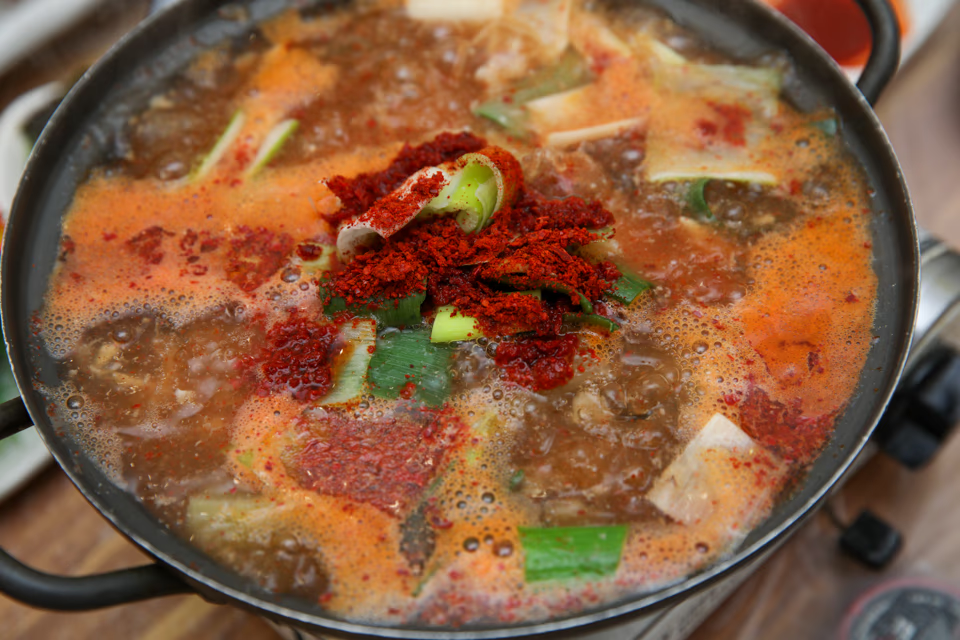
You will never see it on a menu. There is no price next to it. Seodeori-tang simply appears at the end of a sashimi meal, as inevitable as the check that follows. "Seodeori" means the leftover parts, bones, heads, skin, and connective tissue, after a fish has been filleted for sashimi. These scraps go into a pot with gochujang, gochugaru, garlic, and whatever vegetables the kitchen has on hand. Ten minutes of hard boiling, and the result is a cloudy, deep-red broth that tastes nothing like the clean raw fish you just ate. That contrast is the entire point. The cold precision of sashimi followed by the rough warmth of bone stew. It is not dessert in the sweet sense, but it performs the same function: it signals that the meal has ended.
Before You Go
- No need to order it, the stew arrives automatically after sashimi
- The name comes from "seodeol" meaning fish scraps and bones
- Quality indicator: a slightly thick, opaque broth means the collagen extracted properly
Fish Type and Broth Flavor, What Your Bones Are Telling You
Sashimi restaurants nationwide
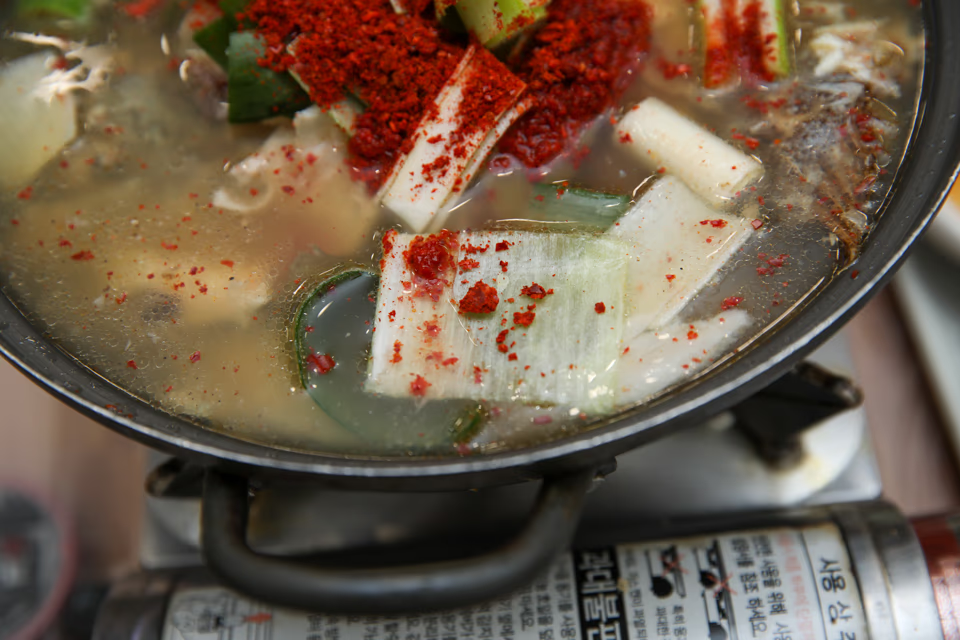
Not all bone broth tastes the same. The fish you ordered for sashimi determines the character of the stew. Olive flounder (gwangeo) bones produce the cleanest broth, light, almost transparent, with a delicate sweetness. Rockfish (urok) delivers a richer, more full-bodied stock with visible collagen. Sea bream (domi) lands somewhere in between, clean but with more depth than flounder. Assorted platters create the most complex broths because bones from three or four species combine in one pot. Each fish contributes a different layer: flounder for clarity, rockfish for body, and whatever seasonal species was included for a wild-card note. The kitchen does not label which bones went in, but your tongue will notice the difference.
Before You Go
- Flounder bones = clean, light broth with subtle sweetness
- Rockfish bones = rich, thick, collagen-heavy stock
- Sea bream = balanced between clean and rich
- Mixed platters = the most layered, unpredictable broth flavor
Rice in Broth, The Korean Closing Ritual
Every sashimi restaurant in Korea
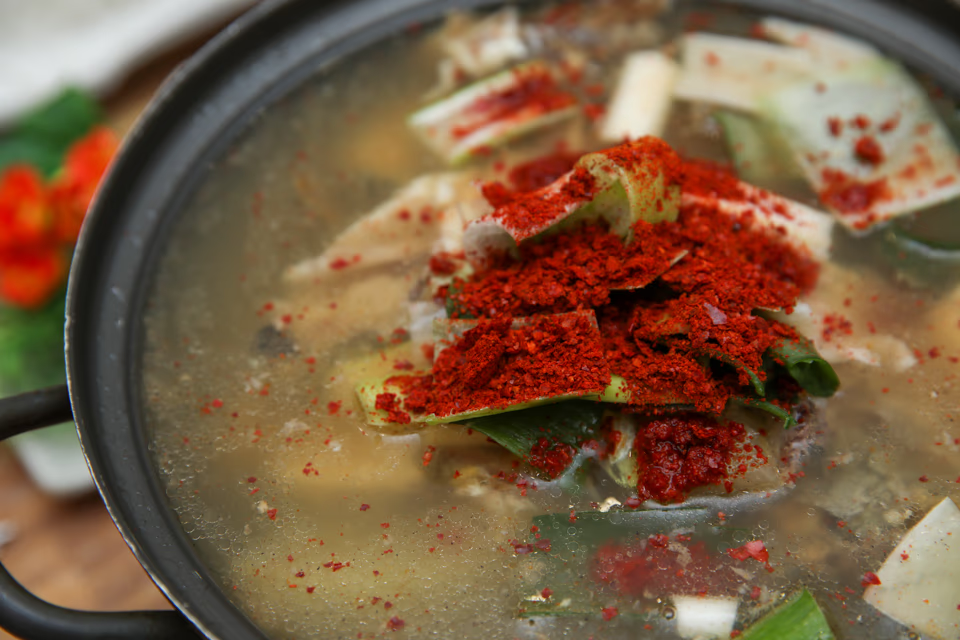
There is a moment, about two minutes after the stew arrives, when every Korean at the table does the same thing. They pick up their rice bowl. They tilt it over the bubbling pot. The rice slides in. Then they stir it around with a spoon until each grain absorbs the spicy, collagen-rich broth. This is not optional behavior, it is the standard ending. The combination works because the bland rice absorbs the concentrated flavors of the broth, creating something closer to a porridge than a soup. No additional seasoning needed. The fish bones have already contributed salt, umami, and richness. For first-time visitors, this step can feel counterintuitive. Why would you put rice into soup? The answer becomes obvious after one spoonful.
Before You Go
- Wait until the broth has been boiling for at least a minute before adding rice
- Stir the rice in thoroughly, each grain should be coated
- The resulting porridge needs no extra seasoning
- Some people add a raw egg into the broth before the rice for extra richness
수정횟집
Experiencing It on Jagalchi Coastal Road
57-1 Jagalchi Coastal Road
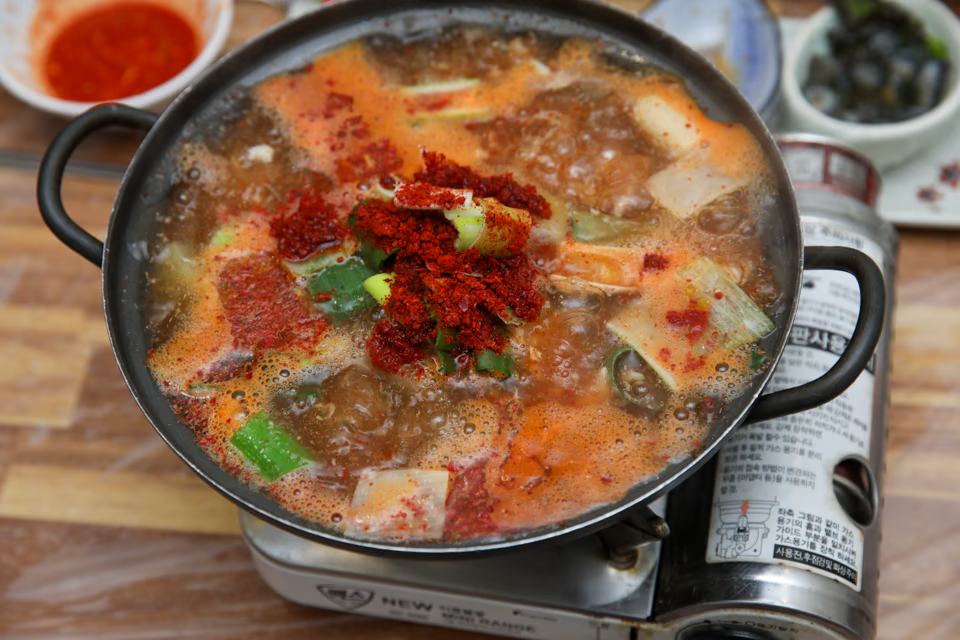
At this Jagalchi Coastal Road restaurant, the bone stew is part of every sashimi course. Order the sashimi set meal (KRW 20,000, ~$14) and it arrives after your plate of live-fish sashimi, made from the exact bones of the fish you just ate. Go for the assorted platter (small KRW 60,000, ~$43) and the pot contains a blend of bones from multiple species, yielding a noticeably more layered broth. For those who want the stew as the main dish rather than a course component, the whole-rockfish stew (small KRW 50,000, ~$36) delivers thick chunks of fish alongside the bone broth. A Jagalchi ajumae with over a decade of experience oversees the process, the same person who selected the fish that morning now decides how long the bones simmer.
Before You Go
- Sashimi set meal (KRW 20,000), bone stew included as course finale
- Assorted platter (KRW 60,000+), multi-species bone broth, richer flavor
- Whole-rockfish stew (KRW 50,000+), standalone, thick chunks of fish in broth
- The Busan version includes subtle banga leaf herb, try it before asking for removal
Busan vs Seoul, The Herb That Divides Them
Regional comparison
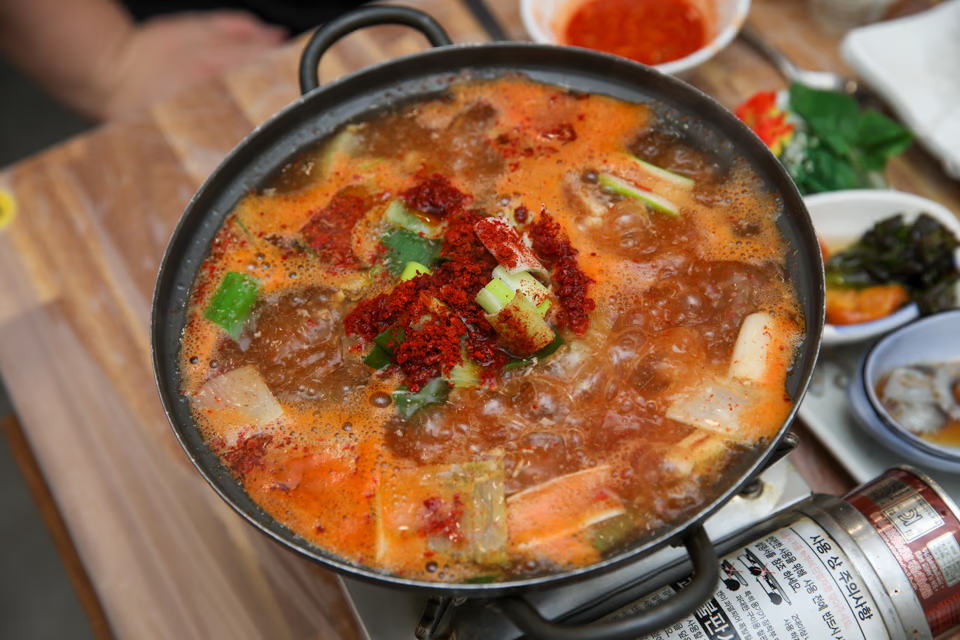
The seasoning base is essentially the same across Korea: gochujang, gochugaru, doenjang, garlic. What changes is the herb. In Busan and greater Gyeongsang Province, cooks add banga leaf, a Korean agastache with an aroma that falls between mint and basil. It cuts through the richness of the bone broth and adds a layer of freshness that Seoul-style stews lack. Seoul restaurants lean toward milder aromatics: water parsley, crown daisy, perilla leaf. Neither approach is better. They are simply different. But if you have only eaten fish stew in Seoul, the Busan version will taste noticeably unfamiliar on the first spoonful. By the third, most people are converted.
Before You Go
- Banga leaf = Busan signature herb, minty-basil aroma
- Seoul uses water parsley (minari) and crown daisy instead
- If the herb is too unfamiliar, ask for it to be omitted
- Sancho pepper (chopi) is another Gyeongsang-do addition that creates a mild numbing sensation
| Menu | Price | Description |
|---|---|---|
| Sashimi Set Meal | ₩20,000 | Includes bone stew as course finale (~$14) |
| Assorted Sashimi, Small | ₩60,000 | Multi-species bone broth included (~$43) [Standard Size Pricing] |
| Assorted Sashimi, Medium | ₩80,000 | 3-person platter with bone stew (~$57) [Standard Size Pricing] |
| Whole-Rockfish Stew, Small | ₩50,000 | Standalone, thick fish chunks in broth (~$36) [Standard Size Pricing] |
| Seafood Hot Pot, Small | ₩50,000 | Mixed seafood stew (~$36) [Standard Size Pricing] |
Bone Stew FAQ
Nearby Attractions
Jagalchi Market
5 min walkKorea's largest fish market, explore live seafood stalls after your meal
BIFF Square
8 min walkStreet food for a pre-dinner snack or post-dinner hotteok
Busan Harbor Night View
5 min walkWalk east along the coastal road for illuminated bridge views
Yeongdo Bridge
7 min walkDaily 2 PM bridge opening, evening illumination after dark
Before You Go
- The bone stew is part of the sashimi course, do not leave before it arrives
- Add rice to the broth for the traditional Korean finish
- Expect banga leaf herb in the Busan version, it tastes unfamiliar but grows on you
- Side dishes rotate daily with the freshest seasonal ingredients
- The stew arrives piping hot, let it bubble for a minute before eating
- Ordering an assorted platter gives the richest bone broth because of multi-species blending
Dinner Timeline
The Complete Sashimi-to-Stew Experience
- Jagalchi Station Exit 2 → 220 m walk to the restaurant
- Browse the fish tanks, order sashimi set or assorted platter
- Sashimi course begins, eat the raw fish while it is fresh
- Bone stew arrives → let it bubble, then add rice
- Finish the rice-broth porridge, meal complete
- Evening walk along Jagalchi Coastal Road toward the harbor
Regional Stew Styles
Busan / Gyeongsang-do
- Banga leaf bone stew
- Sancho pepper finish
- Rockfish base
Seoul / central Korea
- Water parsley garnish
- Crown daisy
- Anchovy-kelp stock base
Jagalchi Coastal Road
- Sashimi set with stew
- Assorted platter with stew
- Standalone rockfish stew
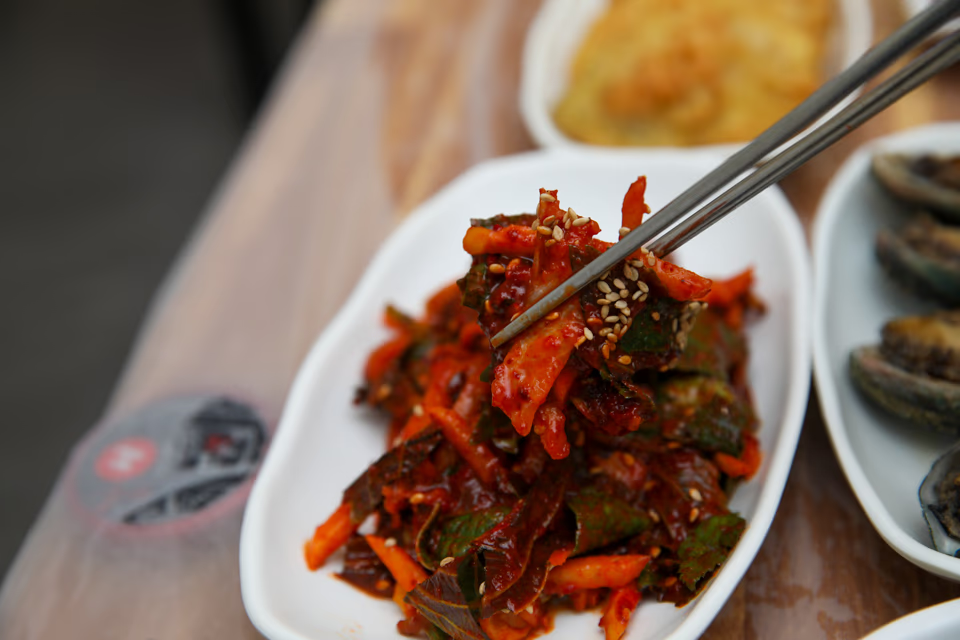
Where Jagalchi Coastal Road meets the harbor, a Jagalchi ajumae with over a decade of experienceturns today's bones into tonight's broth
Sashimi course with bone stew · Whole-rockfish stew · Live-tank sashimi · Handmade soy crab
See the Full Course