Korean Banchan with Modeum-hoe Sashimi Course, What Side Dishes Come with the Platter
Kimchi, seaweed salad, sea squirt pickles, marinated vegetables, rotating daily banchan at Busan sashimi restaurants
Final Word, Half the Course Is Already on the Table
Banchan is not a bonus. It is half the sashimi course. Those five to eight small plates that arrive with an assorted sashimi order were chosen that morning based on what looked best at the market, and they are calibrated to complement fish: lighter, brighter, and more focused on palate-cleansing than what a barbecue joint would serve. Learn the pairings, use the wrapping greens, and eat the spread alongside the fish rather than before it. The course is designed to work as a system: sashimi, banchan, wraps, and a bone stew finish. Remove any element and something feels incomplete.
Banchan 101, The Spread That Comes With the Sashimi Course
Korean seafood restaurants
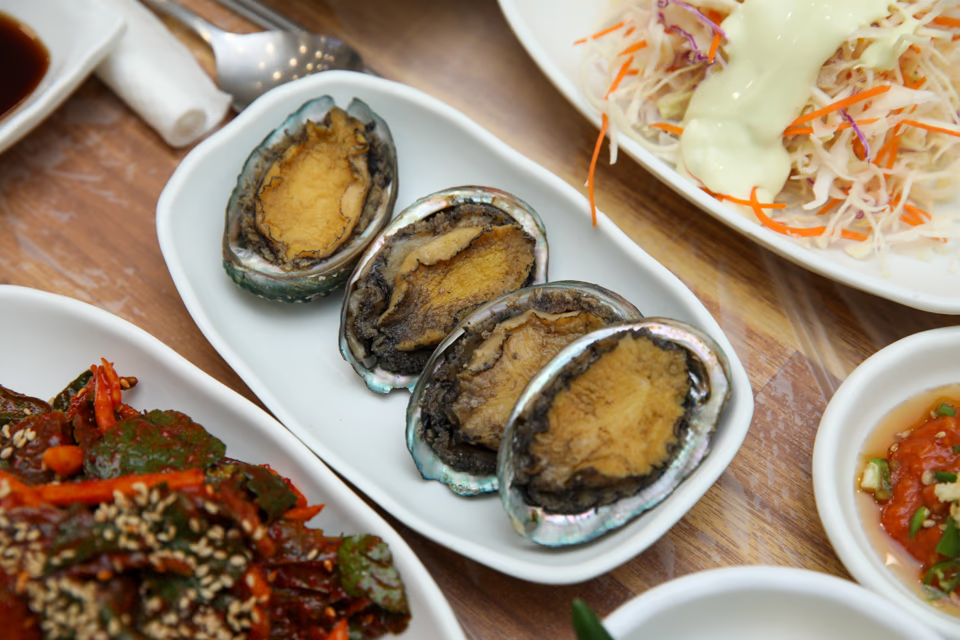
Order an assorted sashimi platter (modeum-hoe) at a Korean seafood restaurant and small plates start appearing before the fish itself arrives. These are banchan, the accompaniments that come with the sashimi course. Depending on the restaurant, expect anywhere from five to eight small plates. They are not garnish. They are not a separate appetizer order. They are part of the course, designed to be eaten alongside the sashimi throughout the entire sitting. One important thing to understand: the spread pictured here is what accompanies the assorted sashimi course, not what arrives with every single-dish order. The concept has no real Western equivalent. It is closer to the bread basket in spirit, but far more varied and clearly built around the fish. Side dishes rotate daily with the freshest seasonal ingredients.
Dining Tips
- The banchan spread accompanies the assorted sashimi course
- It arrives before the fish, but is meant to be eaten alongside it
- The lineup changes daily based on seasonal availability
- Do not finish the banchan before the sashimi arrives, they are meant to be eaten together
Common Banchan on a Sashimi Course Table
Korean seafood restaurants
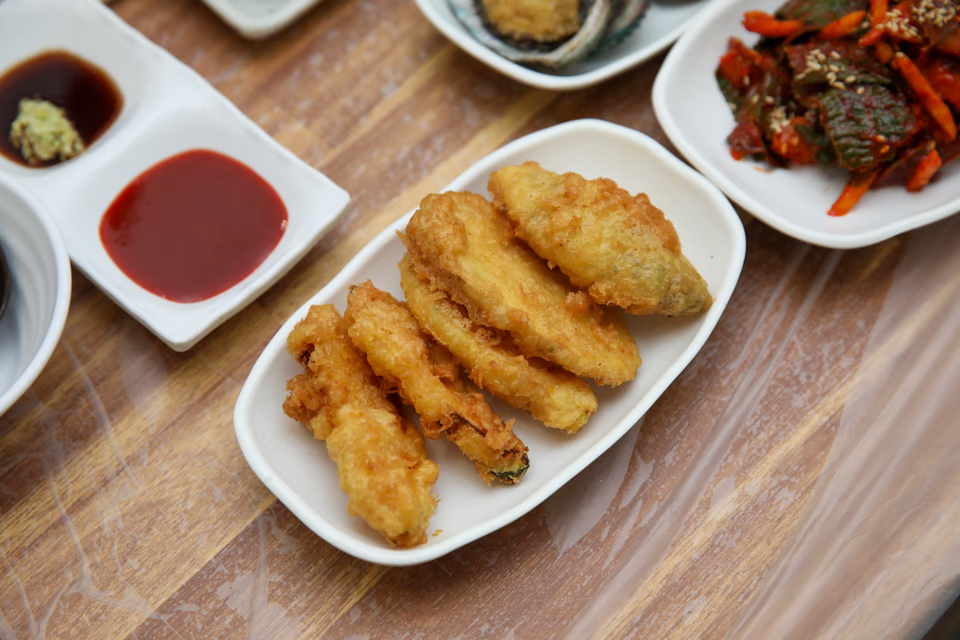
The banchan that lands with a sashimi course tends to skew toward ocean flavors and palate cleansers. Kimchi is universal, fermented napa cabbage with chili, garlic, and fish sauce. Pickled radish (danmuji or kkakdugi) provides a crunchy, tangy contrast to rich fish. Seasoned seaweed (miyeok or gim) adds a light, salty element. Steamed egg custard (gyeranjjim) appears at many places as a mild, fluffy counterpoint to spicy dishes. Raw garlic and green chili peppers sit on a small plate for wrapping with sashimi. Perilla leaves and lettuce are standard wrapping greens. Some restaurants add dried fish side dishes, seasoned bean sprouts, or japchae (glass noodles). The variety depends on the day, the season, and the kitchen's mood.
Dining Tips
- Kimchi, pairs with everything, especially rice and stew
- Pickled radish, cleanses the palate between bites of rich sashimi
- Raw garlic + green chili, wrap with sashimi and perilla leaf for a traditional bite
- Steamed egg custard, the safest plate for kids at the table
Pairing Guide, Which Banchan Goes With What
Any Korean seafood restaurant
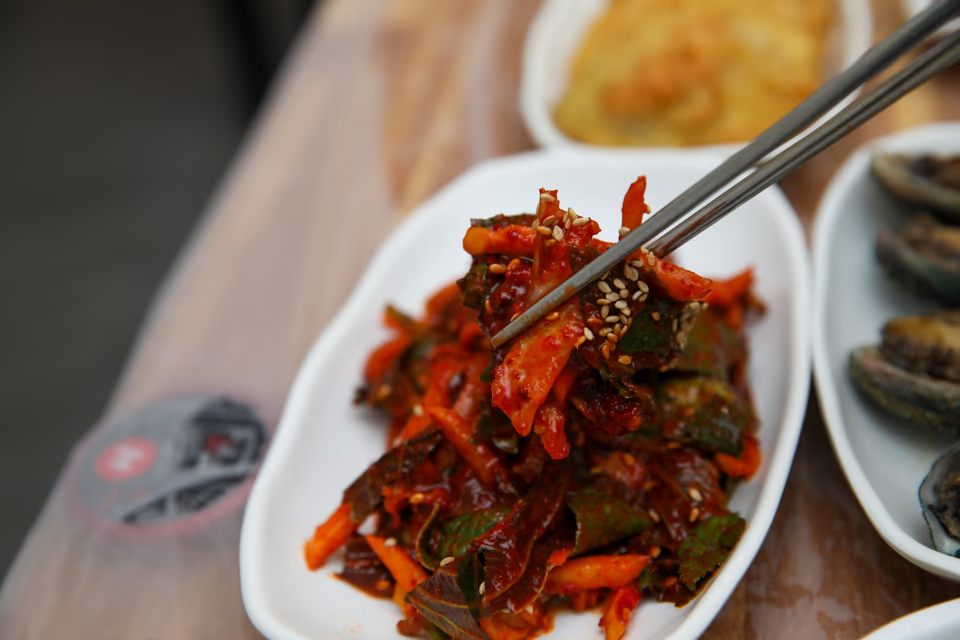
Banchan is not random. Each side dish exists to complement specific parts of the course, even if no one at the table explains the logic. Sashimi pairs with raw garlic, green chili, and perilla leaf, wrap a slice of fish with a garlic clove and a leaf for the classic combination. Grilled fish goes with pickled radish and kimchi, the acidity cuts through the oil. Spicy stew calls for steamed egg and plain white radish, mild flavors to cool your mouth between spoonfuls. Rice-based dishes like bibimbap or hoe-deopbap work with any banchan, but seasoned bean sprouts and spinach add the most texture contrast. The general rule: spicy main, mild banchan. Rich main, acidic banchan. Simple main, bold banchan.
Dining Tips
- Sashimi + garlic + perilla leaf = the definitive Korean bite
- Grilled fish + pickled radish = acidity balances the oil
- Spicy stew + steamed egg = a mild cooldown between spoonfuls
- When in doubt, eat banchan between bites of the main dish, not before or after
수정횟집
The Spread That Comes With Modeum-hoe on Jagalchi Coastal Road
57-1 Jagalchi Coastal Road
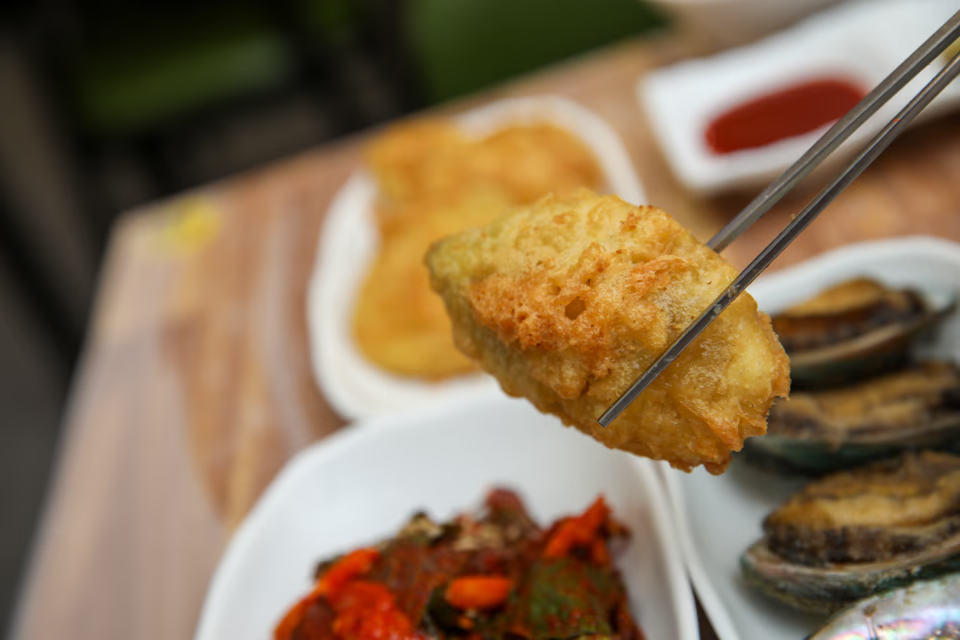
At this Jagalchi Coastal Road restaurant, ordering the assorted sashimi platter brings a spread of five to eight accompaniments to the table, depending on the day. Kimchi and pickled radish are constants. Beyond those two anchors, the lineup rotates: seasoned spinach one day, stir-fried anchovies the next, marinated perilla leaves the day after. Side dishes rotate daily with the freshest seasonal ingredients, a Jagalchi ajumae with over a decade of experience selects what goes on each plate based on the morning market run. Wrapping greens (lettuce and perilla leaves) arrive with the platter as well, and steamed egg custard appears on most course tables. The philosophy is straightforward: the accompaniments should complement the fish, not compete with it. Heavy, overpowering side dishes are avoided in favor of clean, bright flavors that keep the palate ready for the next bite of sashimi.
Dining Tips
- The full spread accompanies the assorted sashimi platter order
- Kimchi and pickled radish are always in the lineup, the rest rotates daily
- Wrapping greens arrive together with the platter
- The banchan is prepared fresh each morning, not stored from previous days
Banchan Etiquette, Mistakes Visitors Make
Korean restaurants
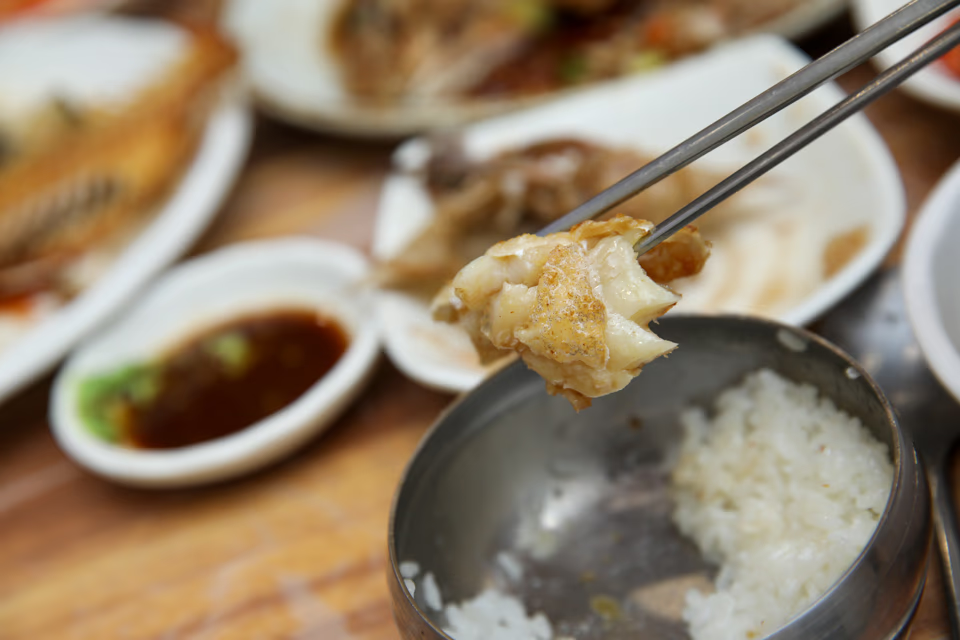
Three common missteps. First: eating all the banchan before the sashimi arrives. The spread is designed to be eaten throughout the course, not consumed as a starter. Second: assuming the same spread arrives with any single dish on the menu. The full lineup pictured here belongs to the assorted sashimi course, so if you came for that experience, order the platter. Third: ignoring the wrapping greens. Those lettuce and perilla leaves are not decoration. They exist specifically to wrap fish, garlic, and ssamjang (dipping paste) into a single bite. A fourth, less common mistake: taking photos of each individual plate and delaying the meal by ten minutes while everything sits. The table is meant to be eaten fresh. Photograph quickly or after.
Dining Tips
- Eat banchan throughout the course, not as a starter
- The full spread comes with the assorted sashimi platter, order accordingly
- Use the wrapping greens: fish + garlic + leaf = one complete bite
- Photograph quickly or after, the table is meant to be eaten fresh
| Menu Item | Price | Includes |
|---|---|---|
| Assorted Sashimi, Small | ₩60,000 | Platter for 2 + wrapping greens + full banchan spread (~$43) [Standard Size Pricing] |
| Assorted Sashimi, Medium | ₩80,000 | Platter for 3 + full course accompaniments (~$57) [Standard Size Pricing] |
| Sashimi Set Meal | ₩20,000 | Sashimi + stew + rice (~$14) |
| Grilled Fish Set Meal | ₩15,000 | Whole grilled fish + rice + soup (~$11) |
| Mulhoe | ₩18,000 | Cold fish soup, a summer favorite (~$13) |
Banchan FAQ
Nearby Spots
Jagalchi Market
5 min walkExplore the source of the seafood, live stalls on every floor
BIFF Square
8 min walkKorean street food: hotteok, fish cakes, glass noodles
Gukje Market
10 min walkTraditional market with dried goods and vintage finds
Yongdusan Park
12 min walkBusan Tower panorama, take the elevator from street level
Dining Tips
- The full banchan spread accompanies the assorted sashimi course
- Side dishes rotate daily with the freshest seasonal ingredients
- Eat banchan alongside the sashimi, not before it arrives
- Wrap sashimi in perilla leaf with a sliver of garlic for the authentic Korean bite
- Steamed egg custard is the safest option for children and spice-averse diners
- What you see today may not be there tomorrow, the lineup follows the morning market
Meal Flow
Modeum-hoe + Banchan, The Complete Korean Sashimi Course
- Jagalchi Station Exit 2 → 220 m walk to the coastal road
- Order the assorted sashimi platter, the banchan spread arrives first
- Survey the spread, identify kimchi, radish, and wrapping greens
- The platter arrives, eat banchan alongside the fish, not before
- Build wraps: perilla leaf + sashimi + garlic + ssamjang
- Bone stew arrives → add rice → finish the course
Banchan Categories
Course Anchors
- Kimchi
- Pickled radish
- Seasoned spinach
- Bean sprouts
For the Sashimi
- Wrapping greens
- Raw garlic & chili
- Seaweed
- Steamed egg
Seasonal Extras
- Stir-fried anchovies
- Marinated perilla leaves
- Japchae
- Dried fish

Every morning on Jagalchi Coastal Road, a Jagalchi ajumae with over a decade of experienceprepares the day's accompaniments alongside the day's catch
Live-tank sashimi · Assorted sashimi course · Grilled fish set · Handmade soy crab · Mulhoe
Discover the Full Menu