How to Wrap Korean Sashimi in Lettuce and Perilla Leaf, Which Fish Suits Which Leaf
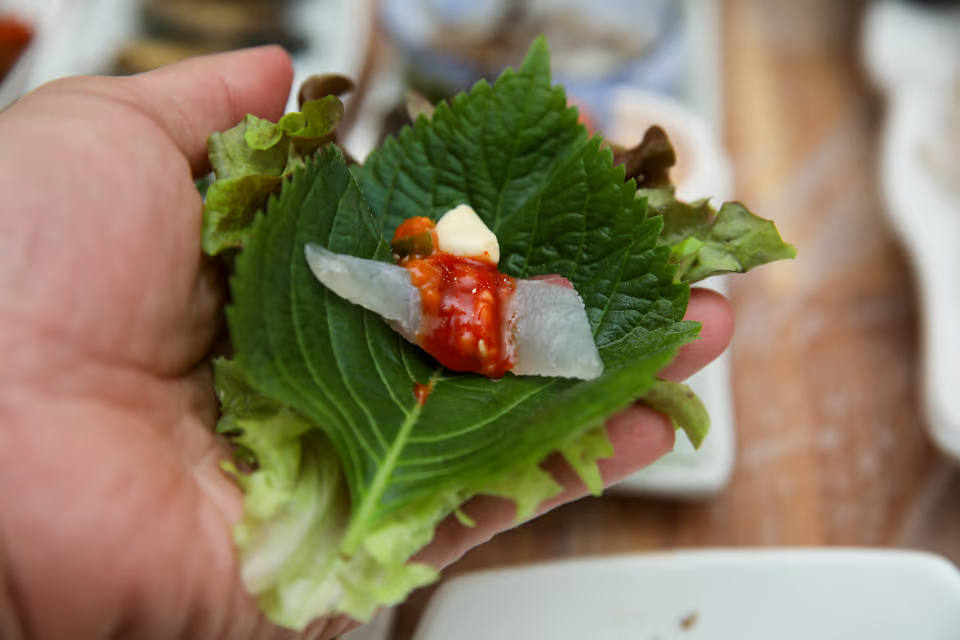
One perilla leaf, one slice of sashimi, one drop of chili paste and one clove of garlic, the basic wrap Jagalchi regulars build in the palm of their hand
The Short Answer
For sashimi wraps, white fish goes in lettuce and raw seaweed while red flesh goes in perilla leaf, and one wrap takes one slice of fish, one drop of chili paste and one clove of garlic placed on the fish, wrapped to palm size. Eat the first three or four slices plain and turn the back half into wraps. At a restaurant 220m from Jagalchi Station Exit 2, assorted platters start at KRW 60,000 small.
수정횟집
What changes when you wrap sashimi versus eating it plain
Jagalchi Haean-ro
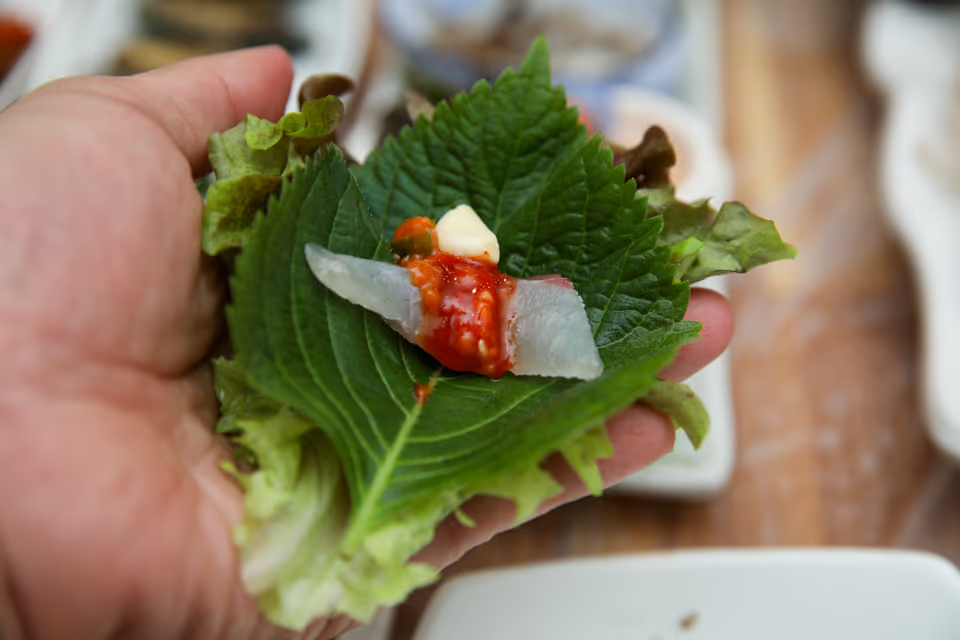
Wrapped, the sashimi texture mixes with the crunch of the vegetable and the bite gets bigger. Plain, the natural sweetness and firmness of the fish come through clearly. Neither is more correct, it is a question of order. Jagalchi regulars usually taste the first three or four slices with just soy sauce or chili paste, then open up lettuce and perilla leaves and switch to wraps once they are a little full. A wrap means chewing one slice of fish together with vegetable, garlic and chili paste, so the taste of the fish blends into the other ingredients, but in exchange it keeps you from tiring of the plate before you finish it. That matters most with a large or extra-large platter, where turning the second half into wraps means less goes to waste. Eight out of ten guests here eat in this order, and the less familiar someone is with raw fish, the easier it is to start with wraps, since the vegetable cushions the unfamiliar texture. The opposite holds for regulars: the better the fish, the more they eat it unwrapped, saving wraps for side-dish sashimi or the back half of the meal. A plate of premium wild sashimi has a strong enough character that wrapping blurs the difference, so we suggest eating the first few slices plain. Lettuce and perilla leaf come as standard, and raw seaweed arrives separately alongside salted seafood, so knowing which fish goes in which of the three makes the whole table feel fuller. One slice of fish, one drop of chili paste and one clove of garlic in a single wrap is the Jagalchi baseline. If you would rather not get your hands messy, spread the vegetable on your small plate with chopsticks, lay the fish on it, fold it and pick it up. The taste is identical to hand-wrapping, with no worry about chili paste on your clothes, which is why evening guests in business attire often do it this way.
Before You Wrap
- Taste the first three or four slices with just soy sauce or chili paste, then switch to wraps once you are getting full
- With a strong-flavored plate like premium wild sashimi, eat the first few slices plain
- On a large or extra-large platter, turning the back half into wraps means nothing goes to waste
수정횟집
Which sashimi suits lettuce, perilla leaf and raw seaweed
Jagalchi Haean-ro
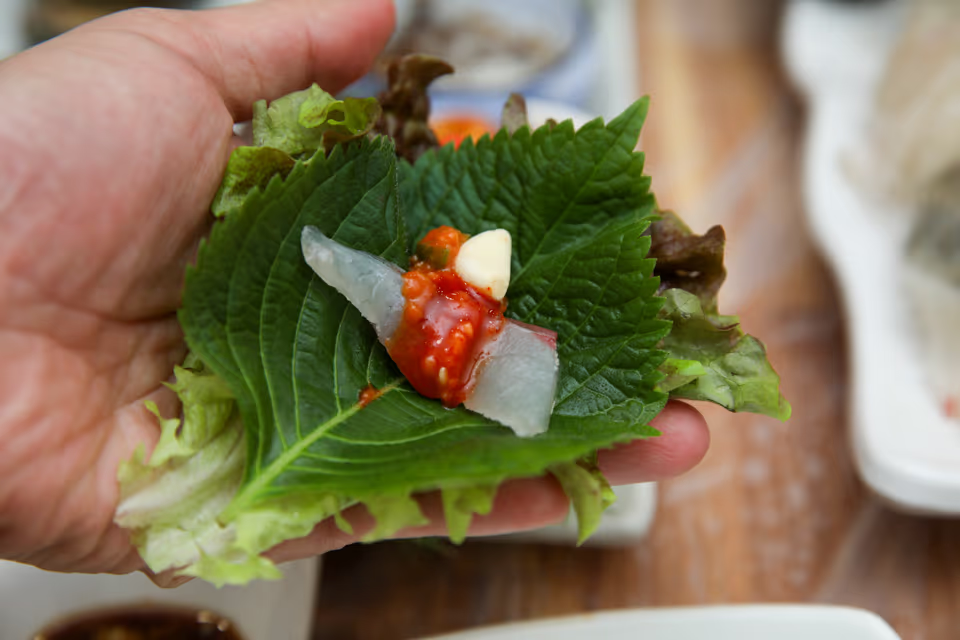
Lettuce suits mild white fish, perilla leaf suits oilier red-flesh fish, and raw seaweed suits firm white fish. Each wrapper has its own aroma and texture, so switching the fish makes all three wraps feel like separate dishes. Lettuce has almost no aroma and plenty of moisture, so a mild white fish like flounder or rockfish keeps its own flavor intact while gaining a crisp texture. Perilla leaf has a strong aroma that overwhelms white fish, but it meets its match in oilier red-flesh fish or well-aged sea bream, where neither aroma pushes the other out. Raw seaweed is naturally salty and slippery, so wrapping firm white fish in it layers two kinds of chew and makes the bite more interesting. Our assorted platter is built on white fish like flounder and rockfish, with red flesh mixed in depending on the day's tank, and when both are on the plate, splitting them, white fish into lettuce and raw seaweed, red flesh into perilla, makes the difference obvious right away. Plenty of guests use lettuce and perilla together. Lay the lettuce underneath and the perilla on top and the perilla aroma drops by half, which works fine even with white fish. That is exactly why the restaurant's Jagalchi veteran, with over a decade on the job, adds a line about white fish for lettuce and red flesh for perilla while setting the vegetables down. If you do not know the species, judging by the color of the flesh alone is enough: closer to white means lettuce, reddish or pink means perilla. If the perilla feels tough, tear off the stem end by hand and use only the leaf for a softer aroma, and tearing a large lettuce leaf in half keeps the wrap small enough to sit in your palm.
Before You Wrap
- Flesh closer to white goes in lettuce, reddish or pink flesh goes in perilla
- Lettuce underneath with perilla on top cuts the aroma by half, making it work with white fish too
- Wrap firm white fish in raw seaweed so the two textures layer and the chew gets interesting
수정횟집
How many slices per wrap, and how to combine garlic, chili paste and pepper
Jagalchi Haean-ro
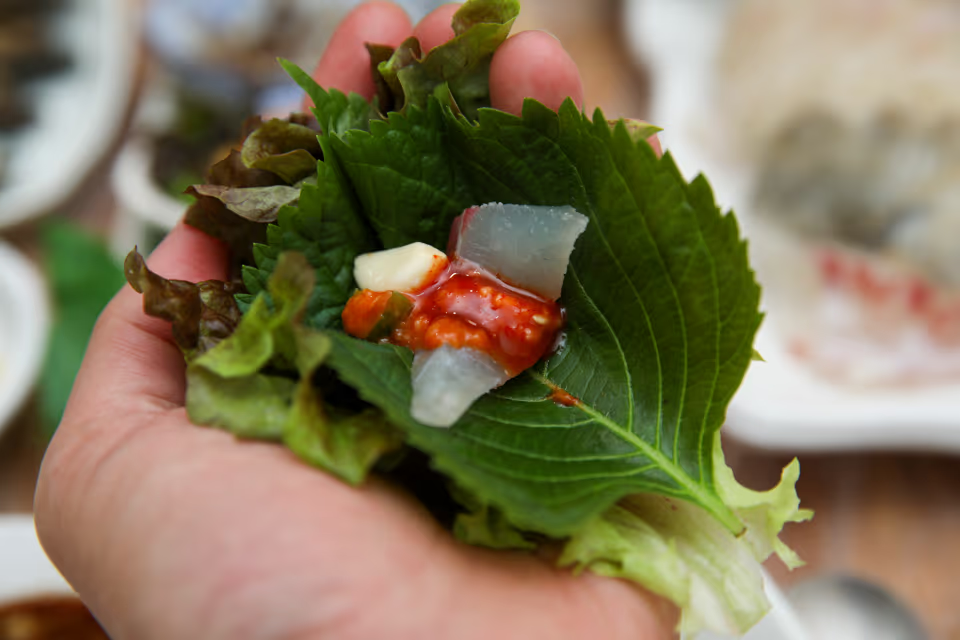
One slice per wrap is the baseline, and with thinly cut fish, two is the limit. Put three or more in and the fish gets thicker than the vegetable, so it no longer fits in one bite and the chili paste runs out as you chew, leaving your hands and the table messy. One clove of garlic, one piece of chili, and about one drop of chili paste on the fish is the right measure. Ssamjang, the thicker soybean-chili paste, suits vegetables more than raw fish, so chili paste is the default for a sashimi wrap, and if you want ssamjang, dabbing a little on the garlic is the better move. The trick to assembling it is to put the sauce on the fish and the garlic and chili on top of that. Spreading chili paste on the vegetable first makes the leaf go limp and the wrap falls apart. Open a perilla or lettuce leaf in your palm, set one slice of fish in the middle, add a drop of chili paste and a clove of garlic, fold it, and you are done. If you cannot handle spice, skip the chili and keep the garlic, and if garlic breath is the worry, keep only the chili, the wrap still works either way. We set the chili peppers and garlic in a separate small dish beside the plate, so everyone adjusts their own amount. Some guests stir wasabi into soy sauce, dip the fish lightly and then wrap it, in which case leaving out the chili paste keeps the flavors from mixing. Put one wrap in your mouth, chew about ten times, and the firmness of the fish and the crunch of the vegetable come through together, with the garlic and chili closing it out with heat at the back. A wrap that is too big flattens that sequence, so keeping it small enough to sit in your palm is the whole point. Lunch guests tend to build big wraps and evening guests small ones, and the more drinks involved, the longer a small wrap lasts as a drinking snack.
Before You Wrap
- One slice is the baseline, two is the limit with thinly cut fish
- Put the sauce on the fish, not the leaf, or the wrap falls apart
- If you dipped in wasabi soy sauce, leave out the chili paste so the flavors stay separate
수정횟집
How to wrap seasoned hagfish in perilla leaf
Jagalchi Haean-ro
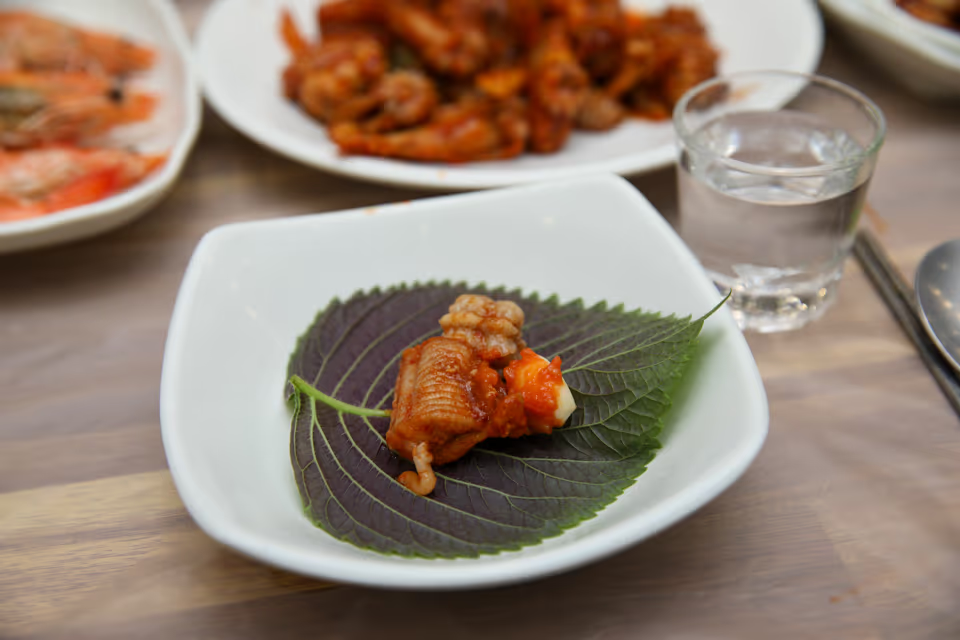
Seasoned hagfish goes in perilla leaf with one piece and one clove of garlic, the Jagalchi way. Two things differ from a sashimi wrap: perilla beats lettuce here, and no chili paste. The seasoning is already gochujang-based, so adding chili paste doubles up, while the perilla aroma wraps the heat and cleans up the aftertaste. Lettuce holds too much moisture, so a hot grilled piece wilts it almost immediately, making perilla the better choice. Our domestic live hagfish grilled over charcoal starts at KRW 60,000 (about USD 43) small under fixed-size pricing, and once it is first-grilled, seasoned and tossed on the cast-iron plate, the perilla wraps begin. Pick up a piece while the plate is still hot, set it on perilla, add garlic and a slice of onion, and the chew, the heat and the aroma all arrive in one bite. On a table that also has sashimi wraps, the right order is sashimi wraps first, grilled perilla wraps after, because white-fish sashimi loses its flavor if it follows spicy seasoning. On a 4-person table with an assorted platter small (KRW 60,000) plus a small hagfish, the natural timing is to bring out the grill once the sashimi plate is about half gone. One perilla leaf, one piece of grilled hagfish and one clove of garlic is the base ratio, and since the seasoning is strong, never go to two pieces. Use the onion that was tossed on the plate with the seasoning rather than raw onion, since the sweetness has soaked in and suits it better, and skip adding chili peppers to the wrap, they are already in the seasoning, so leaving them out keeps the heat manageable. If there is steamed shrimp or raw seaweed nearby, picking up one piece when the heat builds resets your mouth and makes the next wrap taste good again. This combination is the oldest standard pairing for soju in Jagalchi, and calling for fried rice when three or four pieces are left on the plate carries it through to the finish.
Before You Wrap
- Grilled wraps call for perilla, and no chili paste
- Sashimi wraps first, grilled perilla wraps after, so the sashimi flavor survives
- One perilla leaf, one piece of grilled hagfish, one clove of garlic is the base ratio
수정횟집
Why raw seaweed comes with salted seafood, and how to wrap with it
Jagalchi Haean-ro
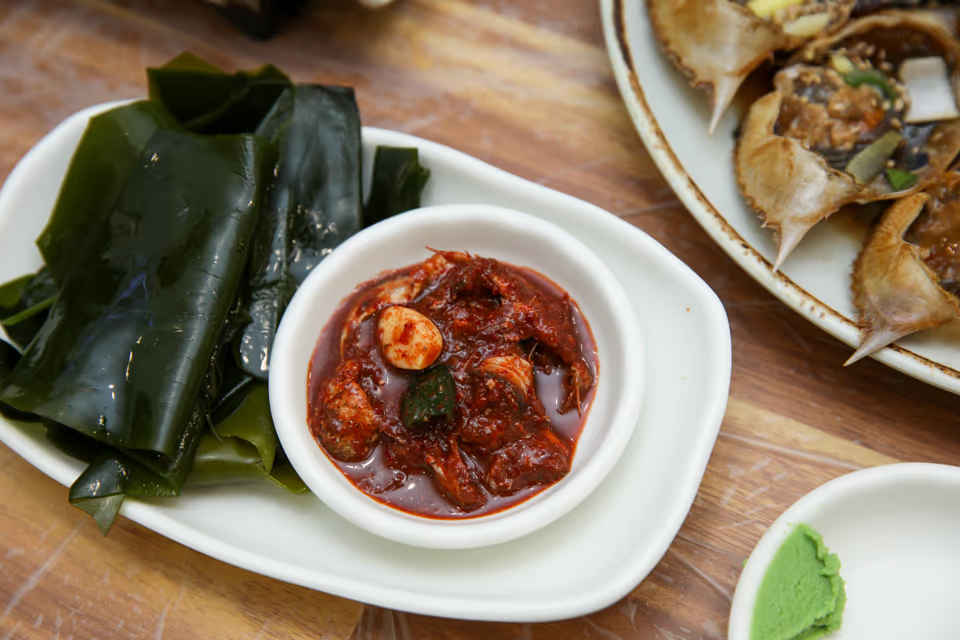
Raw seaweed serves two purposes, dipped lightly in jeotgal (salted fermented seafood) or wrapped around a slice of sashimi, and it comes with jeotgal because that attaches saltiness and savory depth to the seaweed's slippery texture. Seaweed on its own is barely seasoned and tastes flat, but one piece of jeotgal on top turns it into a side dish on the spot. To wrap sashimi, open one sheet of seaweed in your palm, set a slice of white fish in the middle, add just a touch of jeotgal and fold. Leaving out the chili paste is the better call, since the saltiness of the jeotgal and the sourness of the chili paste together erase the taste of the fish. Seaweed is slippery enough that it slides out of your hand at first, but folding it double to build thickness makes it easy to hold. If lettuce and perilla wraps sit on the crisp side, a seaweed wrap sits on the chewy side, so wrapping the same fish two ways makes the texture difference genuinely fun. Raw seaweed also works as a palate cleanser between slices. After oily red-flesh sashimi or spicy grilled seasoning, chewing a piece of seaweed with no jeotgal rinses your mouth and brings the next slice back into focus. Our side dishes rotate daily based on what is fresh, so some days a different seaweed comes out instead, and the jeotgal varies a little day to day too. If the day's jeotgal runs salty, use only the smallest amount on the seaweed, and if it is mild, feel free to add plenty even inside a sashimi wrap. On a table that also has a soy crab plate, some guests wrap the crab meat in seaweed, in which case skip the jeotgal so it does not get too salty. For children, a lettuce wrap is easier to manage than seaweed, and cutting the seaweed small with no jeotgal and setting it over a bowl of rice turns it into a side dish a child will eat.
Before You Wrap
- Fold the seaweed double to build thickness so it does not slip out of your hand
- A seaweed wrap takes only a touch of jeotgal, no chili paste
- Chewing seaweed alone after oily sashimi or spicy grill rinses your mouth
수정횟집
Can you get more wrap vegetables, and what are the sashimi prices and location
Jagalchi Station Exit 2, 220m
Lettuce and perilla leaf come as standard, and if you run short, just say so and they get refilled. Raw seaweed and jeotgal arrive as side dishes, so there is no need to order them separately. Sashimi runs on fixed-size pricing, an assorted platter at KRW 60,000 small (about USD 43), KRW 80,000 medium, KRW 100,000 large and KRW 120,000 extra-large, while the sashimi set meal at KRW 20,000 (about USD 14) brings sashimi, rice and side dishes as one plate per person, so even a solo diner can build wraps. If your group needs plenty of wrap vegetables, mentioning it when you order means two plates come out from the start. The garlic and chili pepper dishes get refilled the same way. The restaurant sits 220m from Jagalchi Station (Line 1) Exit 2 toward Jagalchi Haean-ro, about a 3-minute walk. It is two stops from Busan Station on Line 1, so you can be seated within 20 minutes of stepping off the KTX, and seating across the first and second floors totals 190, making group dinners possible too. For parties of four or more, calling +82-10-8998-4803 before you visit gets the right size and seat ready for your headcount. Lunch peaks from 11:30 AM to 1 PM and dinner from 6:30 to 8 PM, so arriving a little outside those windows means seating without a wait. Nearby are the Jagalchi main hall at a 3-minute walk, BIFF Square 5 minutes, Gukje Market 8 minutes, Yeongdo Bridge 7 minutes, and Gwangbok-ro in Nampo-dong 6 minutes, and Yeongdo Bridge opens on Saturdays at 2 PM. A taxi runs about 10 minutes and KRW 6,000 to 8,000 (about USD 4 to 6) from Busan Station, or 20 minutes and KRW 12,000 to 15,000 (about USD 9 to 11) from Seomyeon. On days when many guests are building wraps, the lettuce runs out first, so arriving late in the evening may mean mostly perilla. Group dinners get seated on the second floor, and the larger the group, the more vegetable plates get set out per table, so stating your exact headcount when you call means it is ready from the start.
Before You Wrap
- Wrap vegetables and the garlic and chili dishes get refilled, just say so if you run short
- Dining solo, a sashimi set meal at KRW 20,000 is enough on its own to build wraps
- 220m from Jagalchi Station Exit 2 toward the coastal road, about a 3-minute walk
| Item | Price | Notes |
|---|---|---|
| Assorted Platter, Small | KRW 60,000 | About USD 43 · for 2, fixed-size pricing |
| Assorted Platter, Medium | KRW 80,000 | About USD 58 · for 3 |
| Assorted Platter, Large | KRW 100,000 | About USD 72 · for 4 |
| Sashimi Set Meal | KRW 20,000 | About USD 14 · per person, sashimi, rice and side dishes |
| Domestic Charcoal-Grilled Hagfish, Small | KRW 60,000 | About USD 43 · for 2, for perilla wraps |
| Premium Wild Sashimi | from KRW 80,000 | About USD 58 · Daily Selection Pricing, eat the first few slices unwrapped |
Sashimi Wrap FAQ
Nearby Attractions
Jagalchi Market main hall
3-minute walkLive and fresh fish wholesale, a browse before you eat
Gwangbok-ro, Nampo-dong
6-minute walkShopping street and cafes
BIFF Square
5-minute walkSsiat-hotteok and other snacks after the meal
Yeongdo Bridge
7-minute walkOpens Saturdays at 2 PM, a walk after the meal
Before You Wrap
- Eat the first three or four slices plain, then switch to wraps once you are getting full
- White fish goes in lettuce and raw seaweed, red flesh goes in perilla, that is the base pairing
- One slice, one drop of chili paste and one clove of garlic, with the sauce on the fish
- Seasoned hagfish goes in perilla only, no chili paste, one clove of garlic added
- From Jagalchi Station (Line 1) Exit 2, 220m toward the coastal road, about a 3-minute walk
Suggested Evening Course
A Jagalchi Evening Spent Finishing One Plate Three Ways
- Browse the Jagalchi main hall, then arrive on Jagalchi Haean-ro
- Order an assorted platter small, taste the first three or four slices with just soy sauce and chili paste
- White fish in lettuce, red flesh in perilla, raw seaweed with jeotgal, compare all three wraps
- Add charcoal-grilled hagfish, wrapped in perilla with a clove of garlic
- Finish with fried rice, then snacks at BIFF Square
What to Eat Where
Jagalchi Haean-ro (restaurant row)
- Assorted platter small to extra-large
- Sashimi set meal
- Charcoal-grilled hagfish
Jagalchi Market main hall (live and fresh fish)
- Live fish browsing
- Fresh fish stalls
- 2nd-floor food court
Nampo-dong and BIFF Square (after the meal)
- Ssiat-hotteok
- Cafes
- Gwangbok-ro shopping
On Jagalchi Haean-ro, a Jagalchi ajimae with over 10 years of experience sets the table right down to the wrap vegetables
Assorted platter by fixed size · Charcoal-grilled hagfish perilla wraps · Raw seaweed with jeotgal, 220m from Jagalchi Station Exit 2
Read the full guide