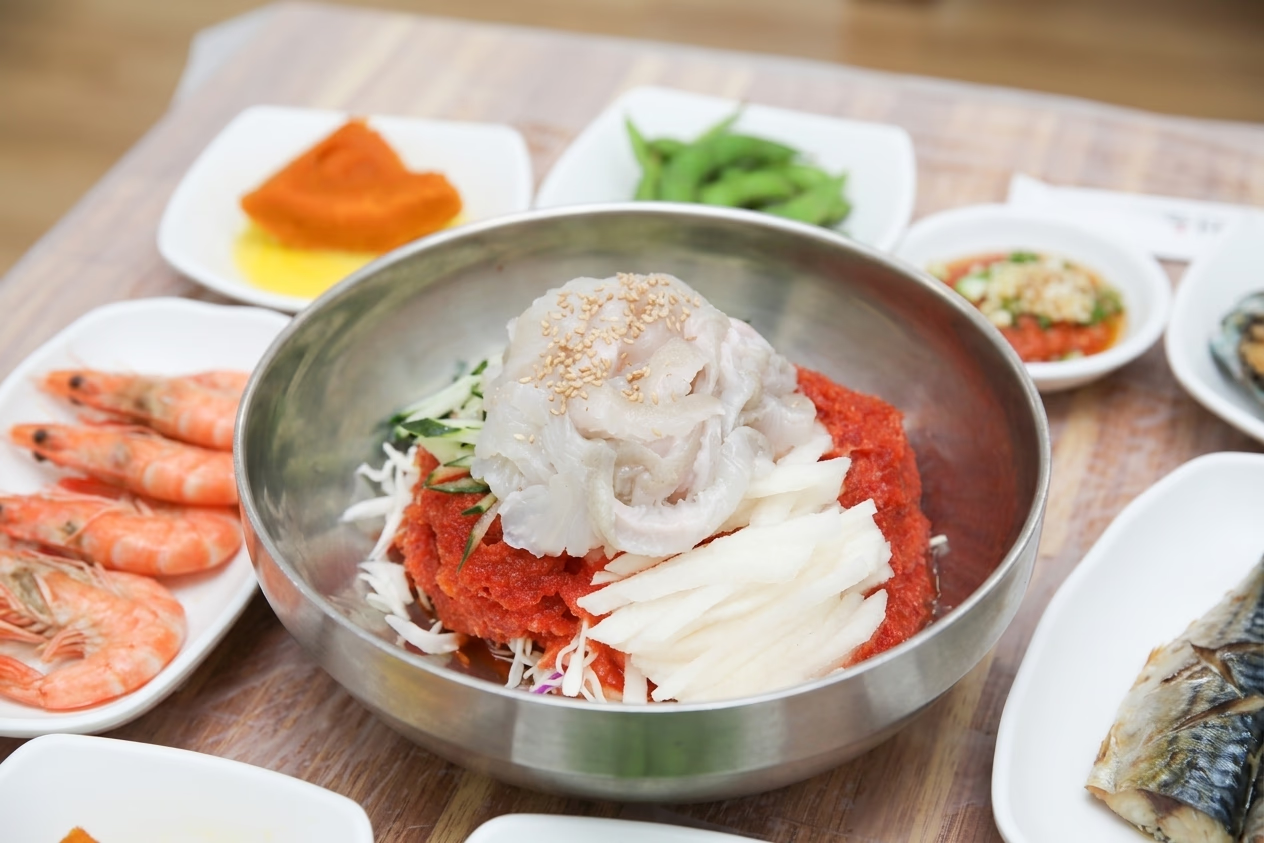
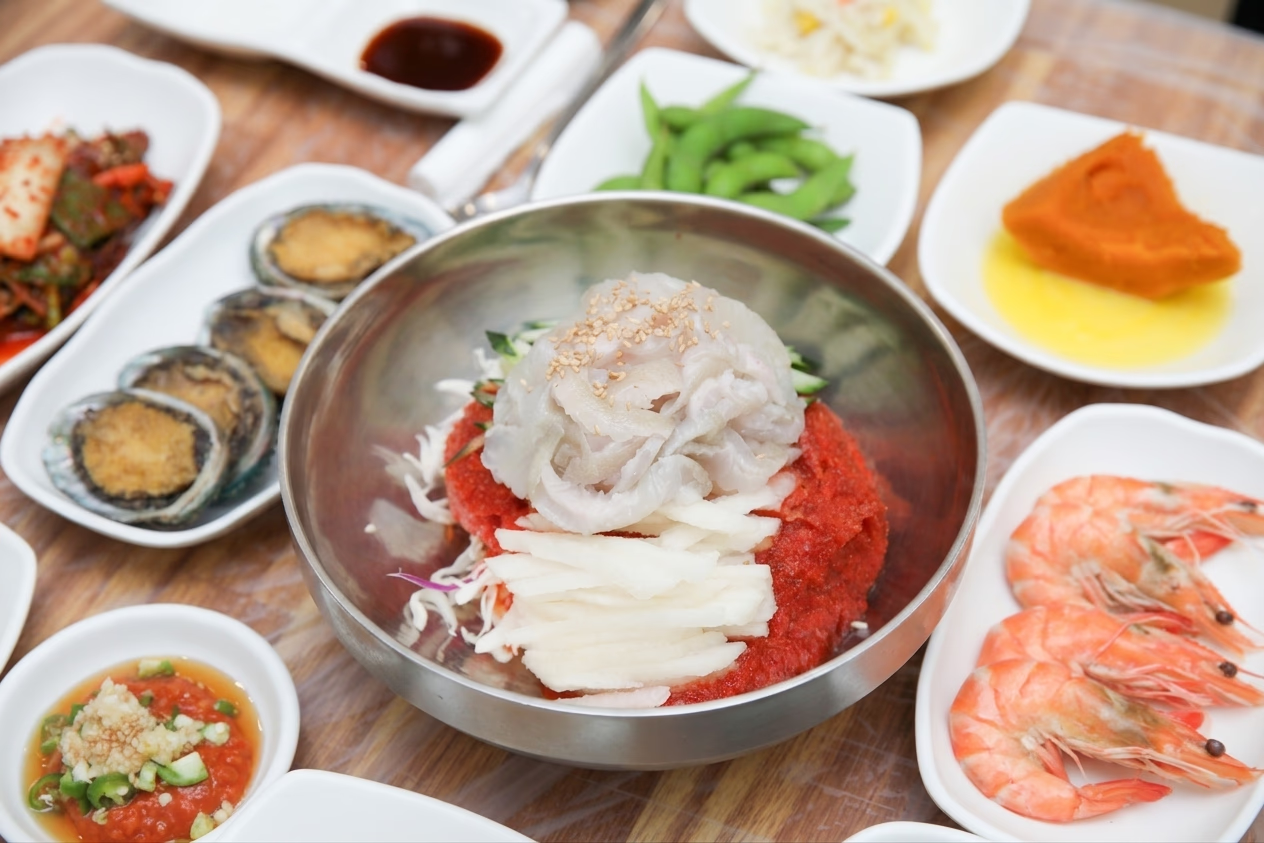
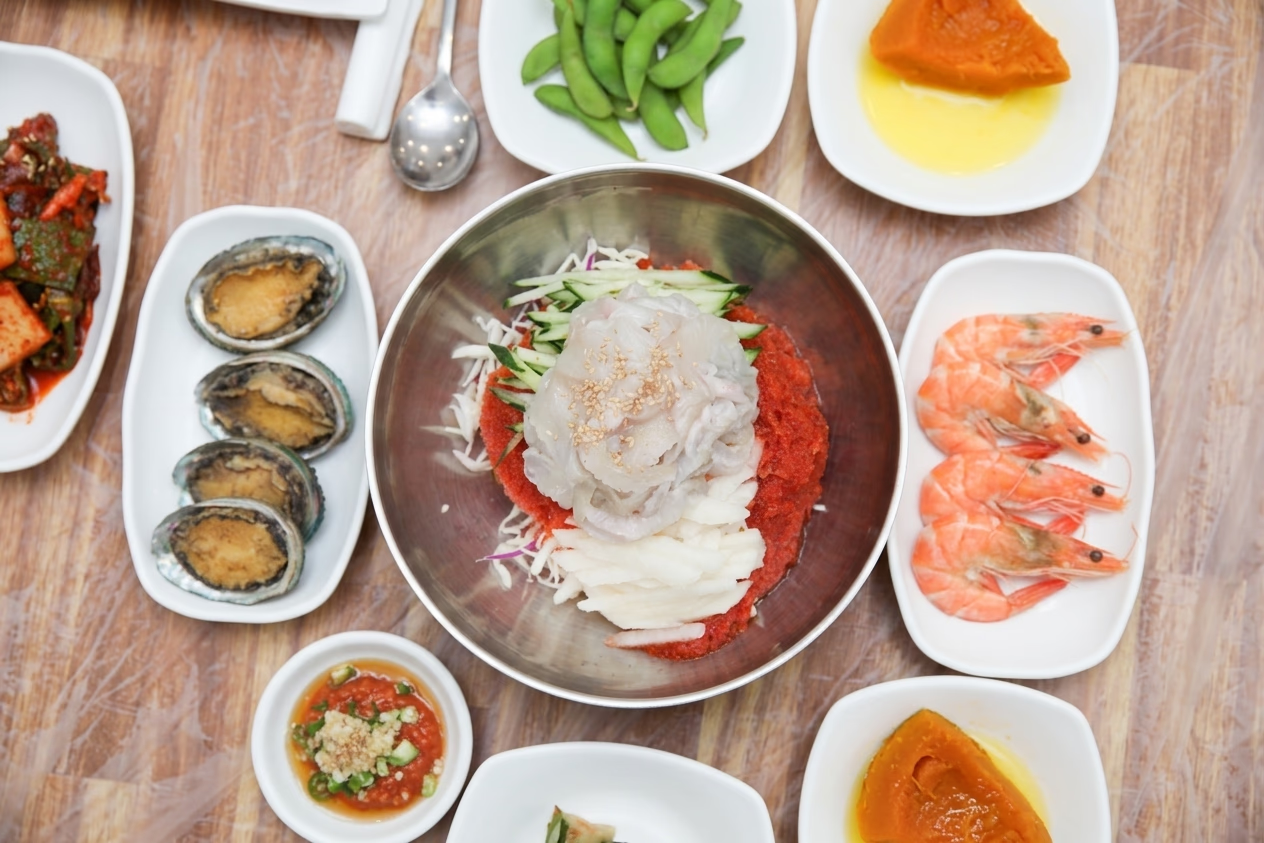
What Is Mulhoe? Korean Cold Raw Fish Soup Explained
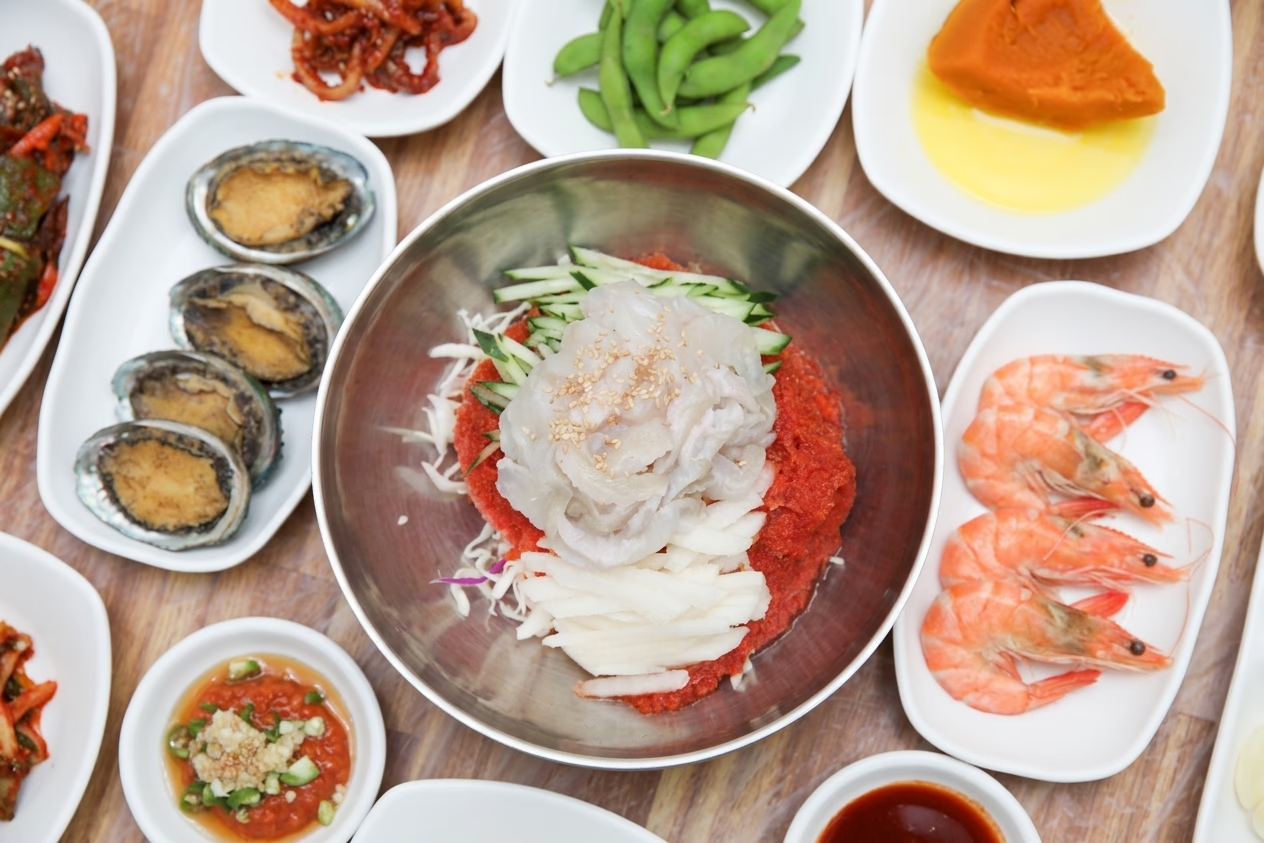
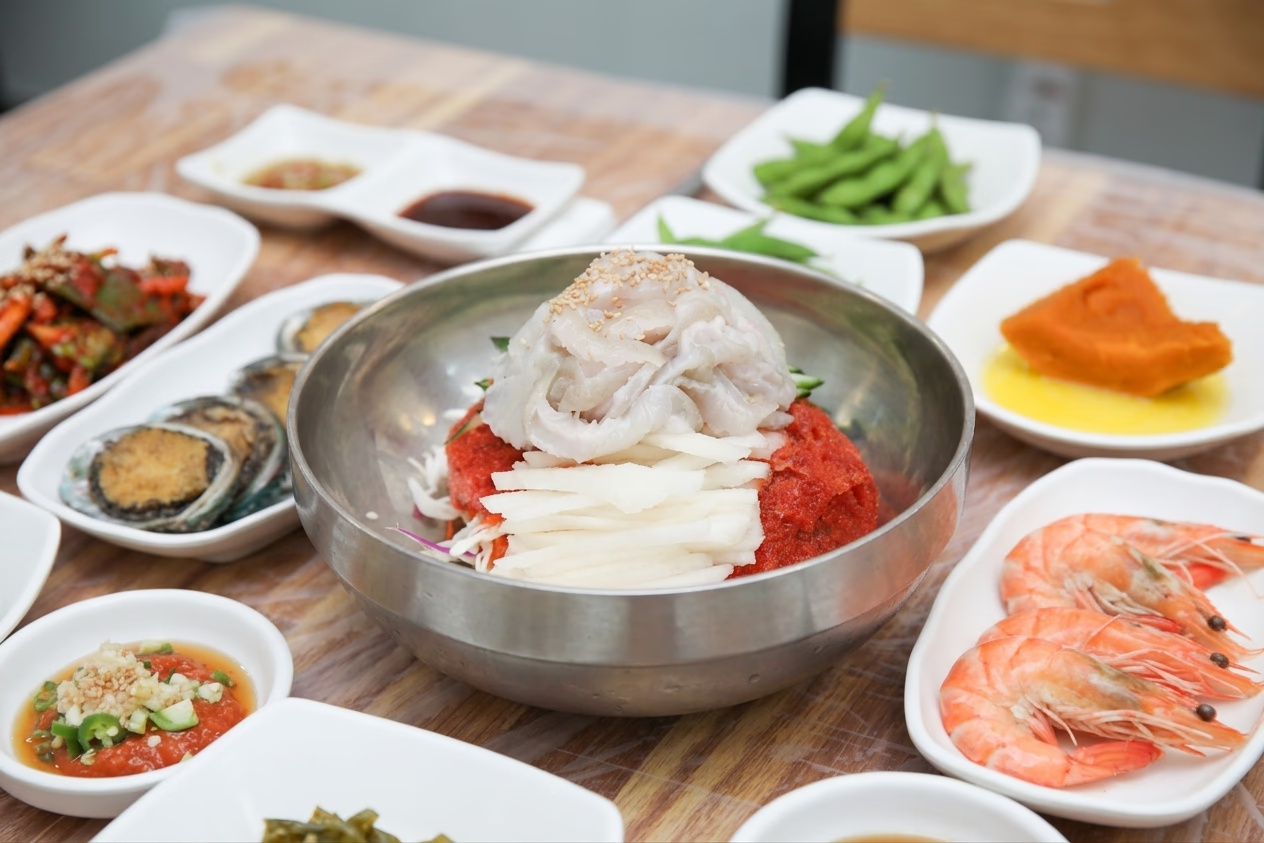
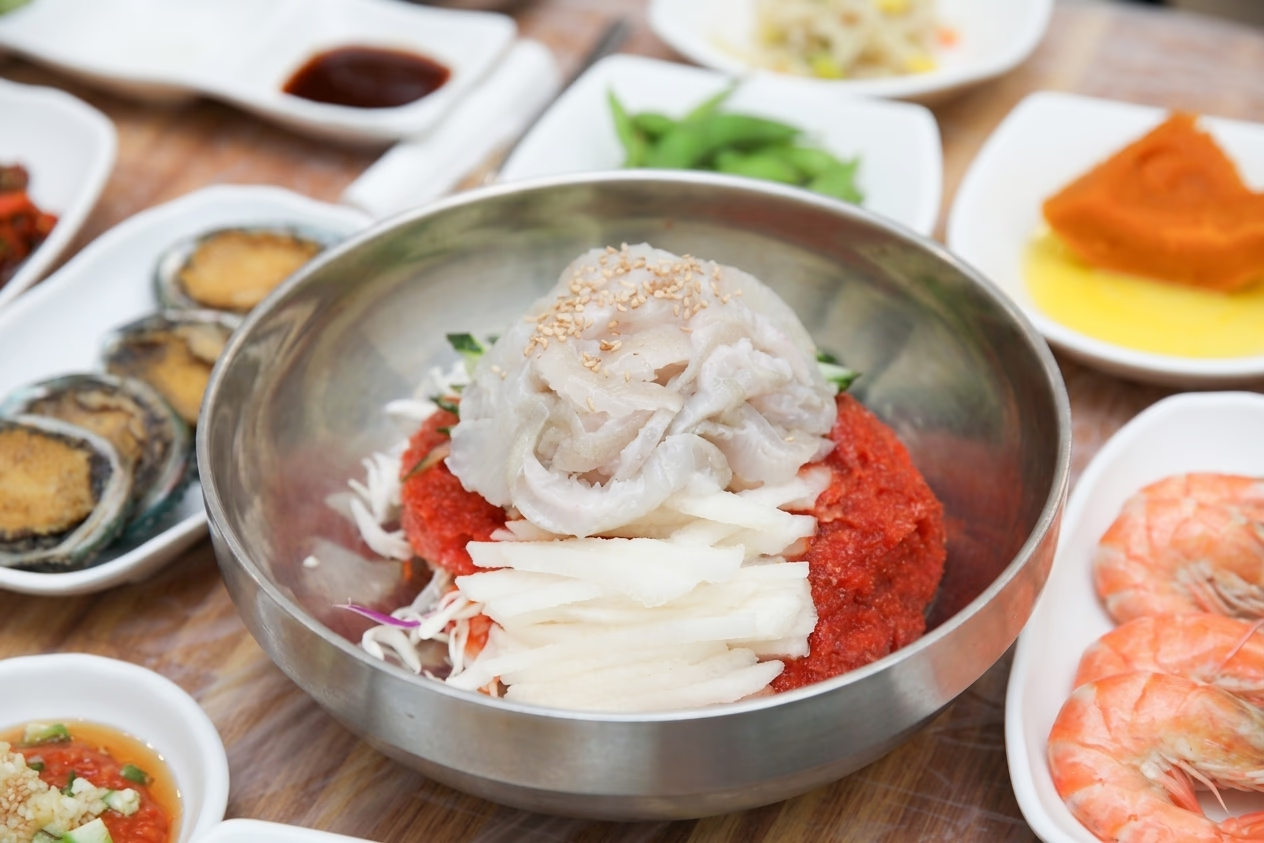
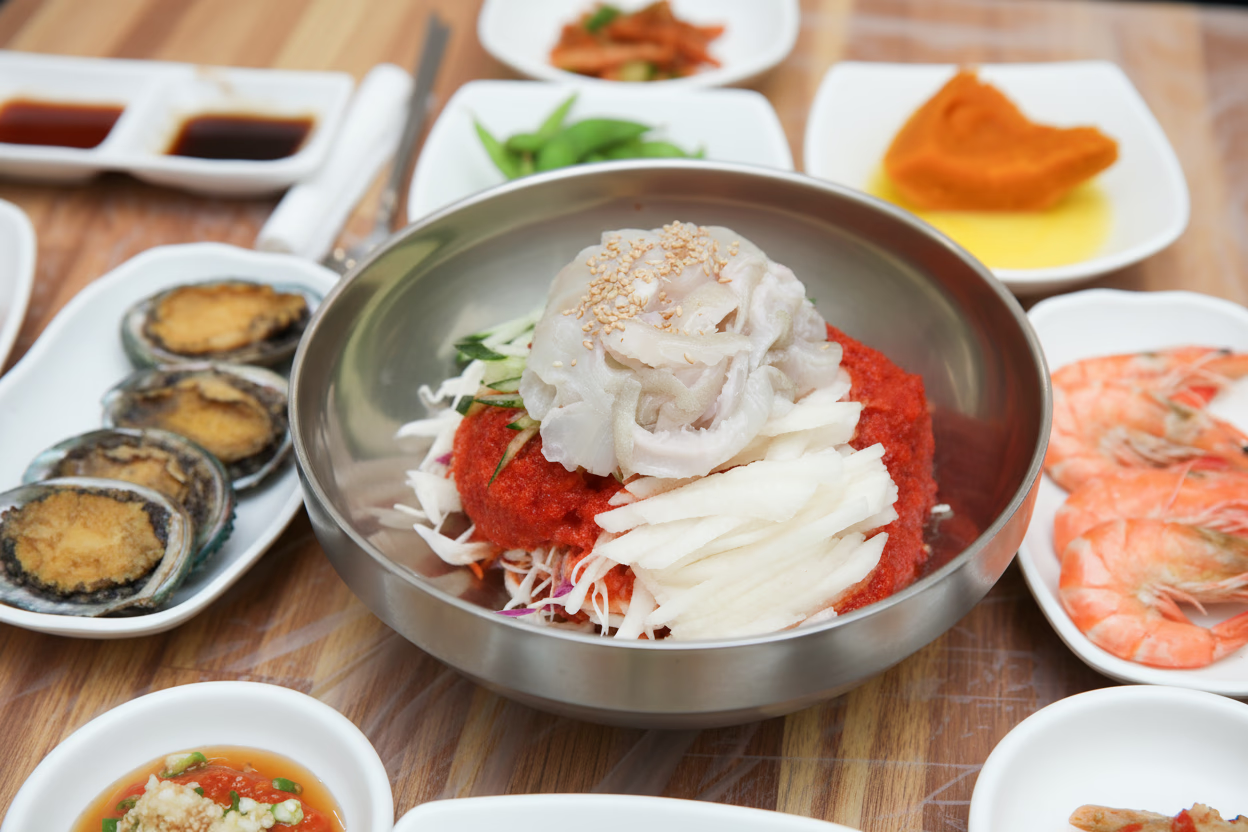
It all started on a fishing boat. Fishermen would toss freshly caught sashimi into cold water with chili paste, a quick meal between hauls. This unadorned bowl, carrying the ocean's freshness, eventually became the signature coastal dish of the Gyeongsang region. Today you'll find it across Korea, but for the authentic experience, you need to eat it in a port city. A bowl brimming with ice-cold broth and just-sliced raw fish, the ultimate antidote to the summer heat.
Busan-Style vs Pohang-Style Mulhoe: What’s the Difference?
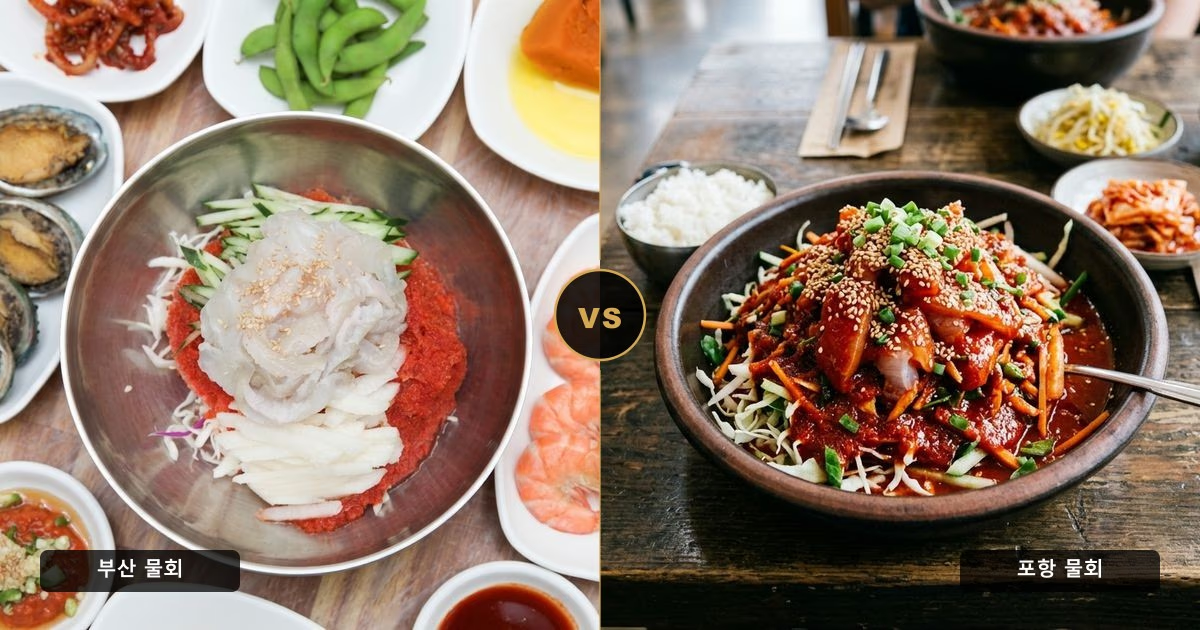
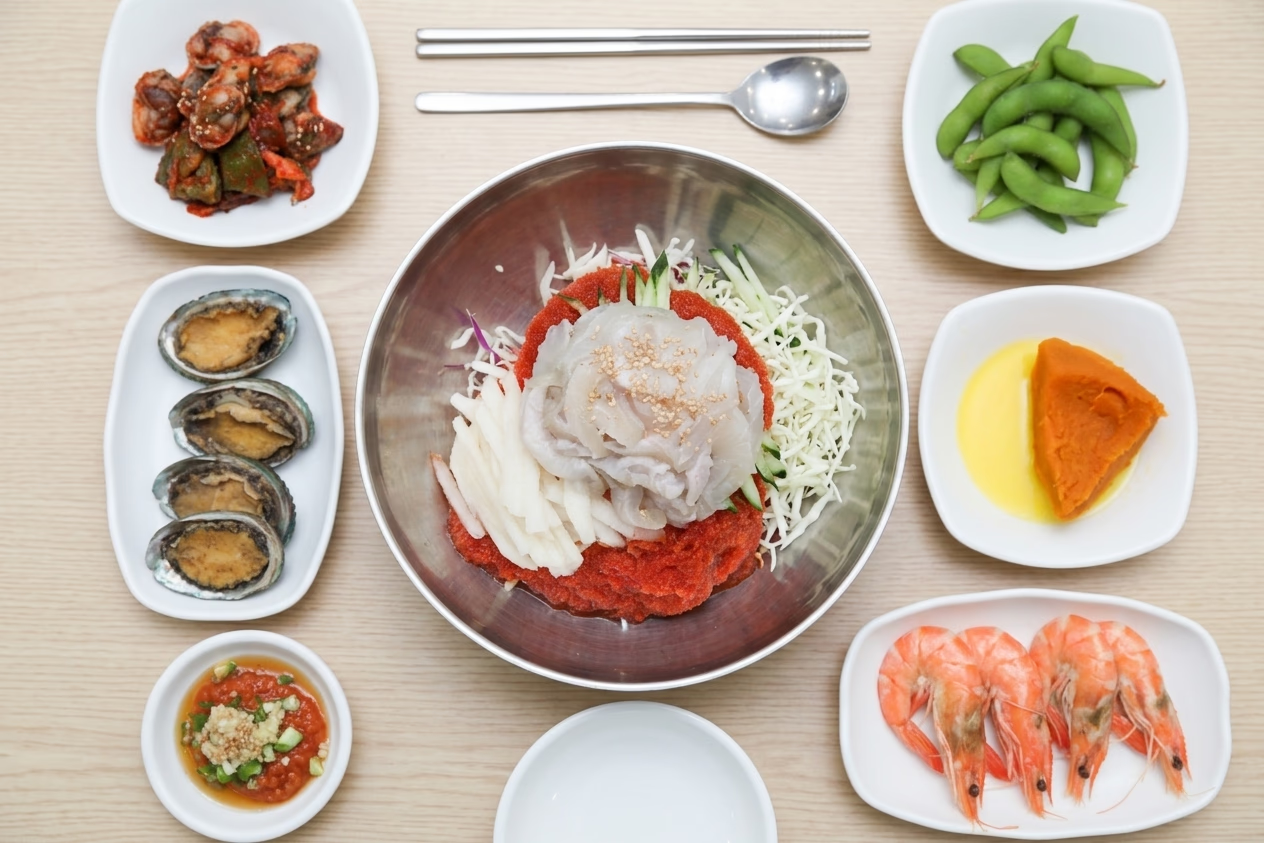
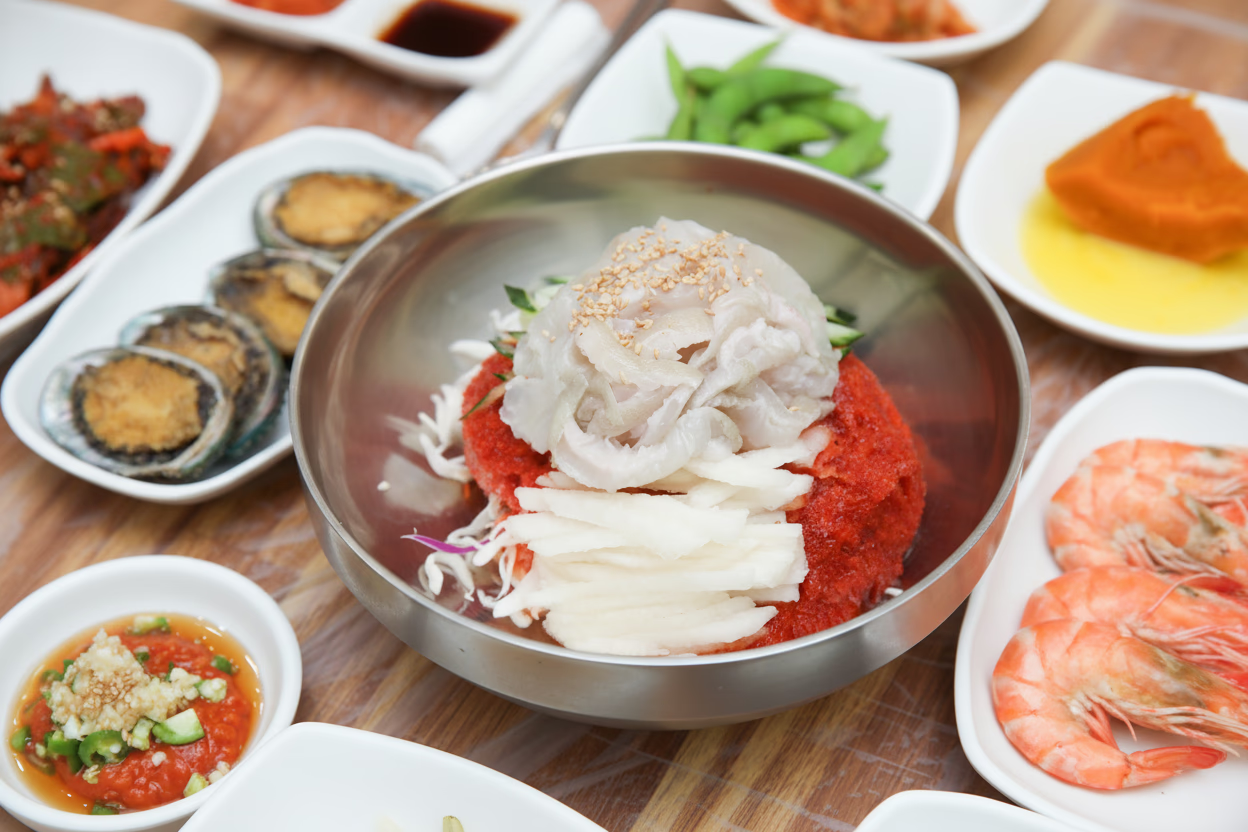
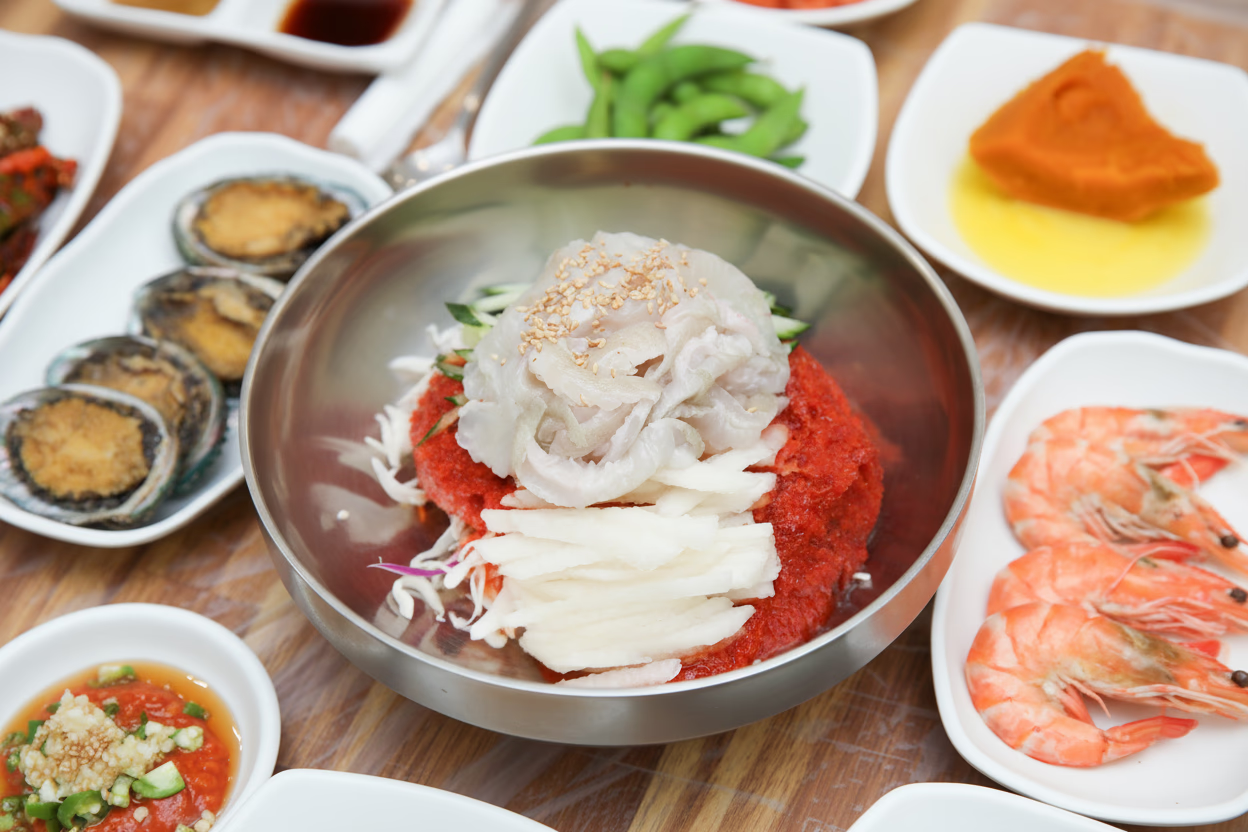
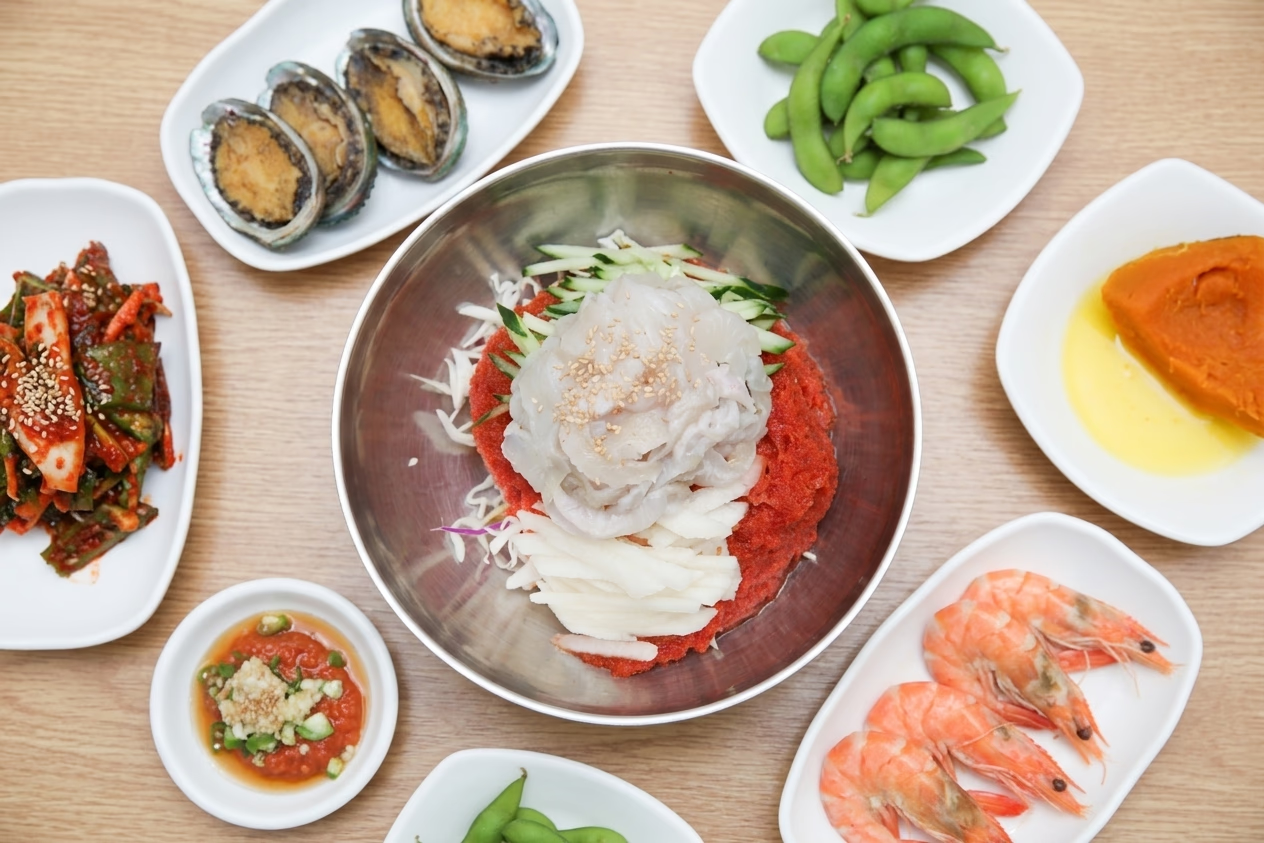
Even the same dish varies dramatically by city. In the southern port, it's all about the broth, a clear anchovy-kelp stock mixed with tangy chili paste and served ice-cold. You'll slurp every last drop. The east coast version, on the other hand, skips the broth entirely. It's a spicy bibim-style preparation: raw fish tossed in gochujang with sesame oil, sesame seeds, and garlic for a bolder, more intense flavor.
Anchovy-kelp broth base / tangy chili paste flavor / served ice-cold / drink the soup / choose noodles or rice
Gochujang bibim style / no broth, tossed in sauce / bold and spicy / sesame oil & sesame seed aroma / mixed with rice
It's impossible to say one is definitively better. If you love a cold, refreshing broth, go for the Busan version. If you prefer deep, spicy flavors, try Pohang-style. Around the Jagalchi coastal road, the broth style dominates, but every restaurant has its own twist on the seasoning, which is half the fun.
When Is Mulhoe Season? Best Time to Eat in Busan
The golden window runs from March through August, peaking in May-June. This is when spring flatfish like halibut flounder and chamgajami are at their plumpest, and the warming weather makes ice-cold broth taste even more refreshing. Some places serve it year-round, but the springy texture of in-season fish combined with a cold bowl under the hot sun, that's a warm-weather privilege. If you're visiting between April and July, don't miss it.
Types of Fish Used in Mulhoe
The most common varieties are olive flounder (gwangeo) and rockfish (ureok), their mild white flesh pairs perfectly with the tangy sauce. In spring, halibut flounder and chamgajami are in season and hugely popular. Summer brings chewy squid and cuttlefish into the mix. Premium bowls may feature abalone, turban shell, and sea cucumber. Near the fish market, the daily catch determines the lineup, which means a slightly different experience every visit.
Mulhoe with Noodles vs Rice, Which Is Better?
This debate never ends, even among locals. Team noodle insists: “Slurping cold noodles in icy broth is the real deal.” Team rice counters: “You don't know what you're missing until rice soaks up that sauce.” There's no wrong answer, but if it's your first time, start with noodles. The way raw fish slides up between the strands is a texture unlike anything else. Next visit, switch to rice and decide for yourself.
How to Eat Mulhoe: First-Timer’s Ordering Guide
When the bowl arrives, mix the broth and toppings thoroughly, the seasoning tends to settle at the bottom, so stir from below. If noodles are included, slip them into the broth, then scoop up some fish and vegetables in one bite. Cucumber, lettuce, and perilla leaves add a wonderful crunch contrast. Save the broth for last, once you've finished the solids, drink it down ice-cold. Add a splash of vinegar or mustard to taste for an extra flavor dimension.
Mulhoe Calories & Nutrition Facts
According to the Korea Ministry of Food & Drug Safety's restaurant nutrition data (2012-2017 compilation), one serving (700g) contains:
- Calories, 529kcal
- Carbohydrates, 55.3g
- Protein, 34.4g
- Fat, 18.9g
- Sodium, 2,096mg
- Dietary Fiber, 15.1g
With raw fish and vegetables as the main ingredients, the fat content is relatively low compared to the protein. Most of the carbohydrates come from the noodles or rice. Sodium is on the higher side, so you might want to eat mostly the solids rather than drinking all the broth.
Source: Korea MFDS Restaurant Nutrition Database (2012-2017 compilation), 2019
Jagalchi Market Mulhoe: Fresh Live Fish
To truly enjoy this refreshing specialty, Jagalchi is the place to be. As Korea's largest fish market, the daily pre-dawn catch swims in tanks until the moment you order, filleted and plated in just minutes. The freshness is incomparable to anything from a supermarket. Walk along the coastal road and you'll find specialist restaurants lined up for easy comparison. Just a 3-minute walk from Nampo Station (Line 1), the access couldn't be easier. Eating this dish amid the vibrant energy of the fish market is an experience that goes beyond taste.
Mulhoe at Sujeong Hoe-jib, ₩18,000 a Bowl
Located at 57-1 Jagalchi Haean-ro, this restaurant prepares each bowl with live fish pulled straight from the tank. The standard bowl is ₩18,000, a clean composition of flounder and rockfish. For a wider variety of fish, the premium option (₩25,000) is the way to go. If you're craving chewy cuttlefish, the hanchi version (₩20,000) is also excellent.
- Mulhoe, ₩18,000
- Premium Mulhoe, ₩25,000
- Cuttlefish Mulhoe, ₩20,000
With 190 seats, there's rarely any wait, even for large groups. You can pair your mulhoe with other dishes like the sashimi set, rice bowl, or grilled hagfish. It's just 222m from Nampo Station Exit 2, along the coastal road, easy to spot.